

 русский
  Français
  Español
  عربى
عربى  italiano
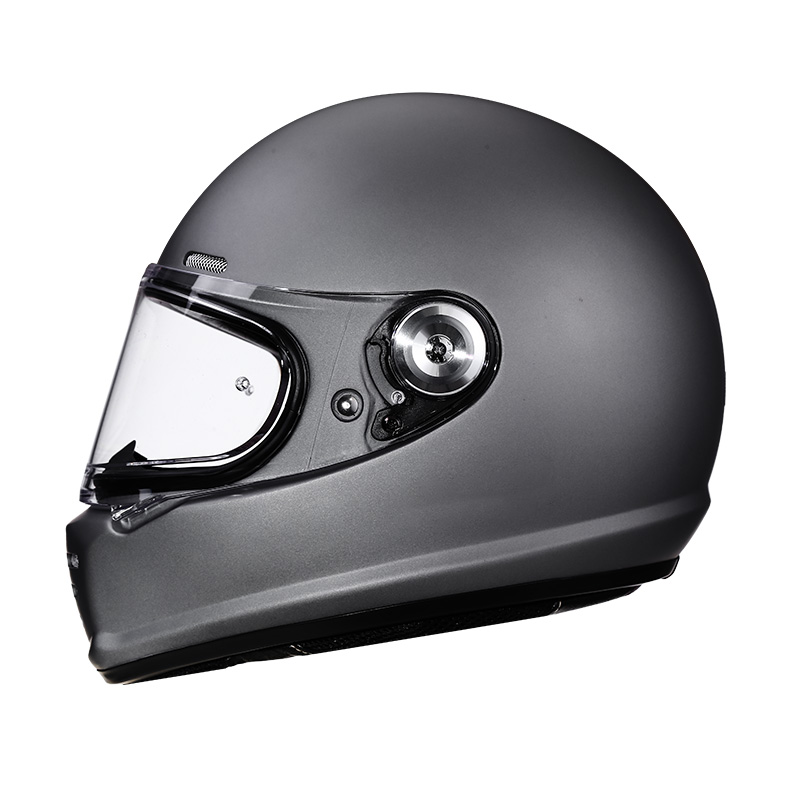
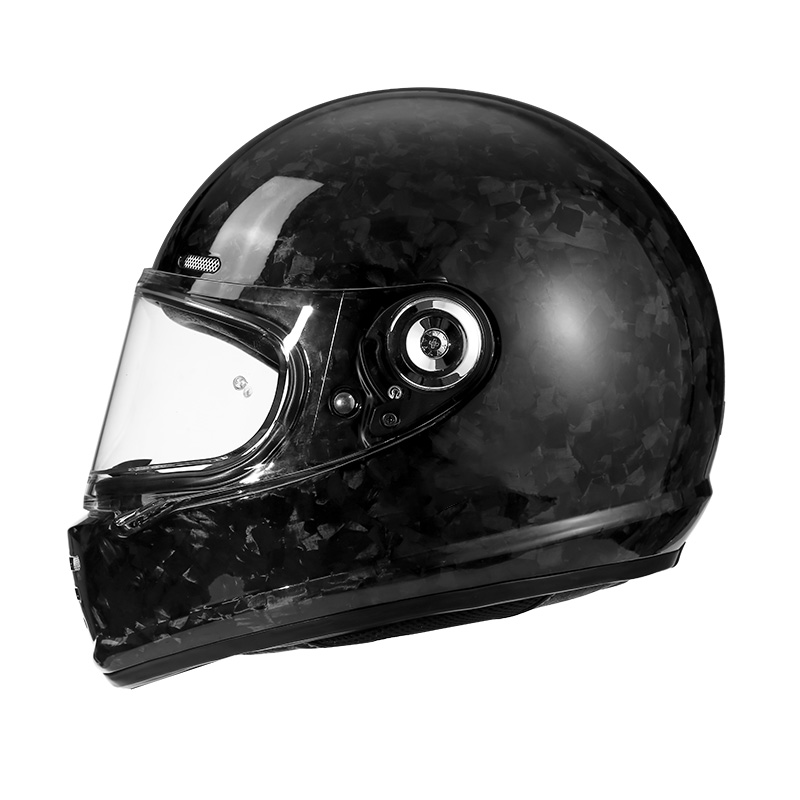
Full Face Motorcycle Helmet: DOT Data, Materials & Sourcing Costs
Content
- 1 Shell Construction: What Actually Separates Certified Protection Levels
- 2 Material Comparison: Cost, Weight, and Certification Margin
- 3 The Hidden Metric: Return Rate by Certification Verification Method
- 4 Application Distribution: Where Full Face Demand Concentrates
- 5 B2B Sourcing Process: From Sample Request to Container Load
- 6 Compliance and Maintenance Considerations Buyers Should Contract For
- 7 Frequently Asked Questions
Full Face Motorcycle Helmet: A Data-Driven Sourcing Analysis
A full face motorcycle helmet is the single highest-margin, highest-liability SKU most powersports distributors carry, which is exactly why sourcing decisions on this category deserve more scrutiny than a spec sheet comparison. Certification pass rates, shell material cost curves, and regional application demand all shift year to year, and buyers who source on price alone typically end up absorbing higher return rates and slower sell-through than buyers who source on documented impact and fit data. This analysis pulls together certification mechanics, material economics, and application distribution data to give procurement teams a clearer basis for supplier evaluation.
Core Conclusion
For most mid-volume B2B orders (500-5,000 units per SKU), a polycarbonate-blend full face motorcycle helmet with independently verified DOT impact data delivers the best cost-to-return-rate ratio — carbon fiber only pays off once order economics support premium retail positioning, and ABS-only sourcing without third-party test verification carries the highest hidden return-rate risk regardless of headline unit cost.
Shell Construction: What Actually Separates Certified Protection Levels
Certification pass/fail is a binary outcome, but the margin by which a shell passes varies significantly between manufacturers, and that margin is what buyers should actually be evaluating during supplier vetting.
Shell Layup
Multi-directional fiber orientation or controlled-thickness injection molding determines how impact energy disperses across the shell surface rather than concentrating at the strike point.
Chin Bar Reinforcement
Independent internal EPS structure in the chin bar handles roughly half of all real-world frontal impacts, tested separately from crown impact zones.
Retention System
Chin strap and buckle hardware tested to a 300 lb load standard with under 1 inch of elongation, a figure independent of shell material choice.
Peripheral Vision
A minimum of 105 degrees of visibility from centerline on each side is a certification requirement often overlooked in eyeport styling decisions.
Material Comparison: Cost, Weight, and Certification Margin
The following comparison reflects typical production data across three shell material categories commonly requested by international buyers sourcing a full face motorcycle helmet line.
The Hidden Metric: Return Rate by Certification Verification Method
Unit cost gets most of the attention during sourcing negotiations, but return rate driven by fit and comfort complaints is the metric that actually determines margin over a full sales cycle. The chart below reflects relative return rates by how rigorously a supplier verified certification and fit tolerance before shipping.
No Third-Party Verification
Batch Sampling Only
Per-Batch DOT Testing
Full-Line Documented QC
Illustrative relative return-rate index by verification tier, based on industry sourcing feedback patterns
Application Distribution: Where Full Face Demand Concentrates
Understanding end-use distribution helps buyers allocate order volume across sub-styles rather than treating "full face" as a single undifferentiated SKU category.
Daily Street / Commuter Riding — 40%
Sport-Touring / Highway Use — 25%
Track / Performance Riding — 20%
Adventure / Dual-Sport — 15%
B2B Sourcing Process: From Sample Request to Container Load
A structured sourcing timeline reduces the risk of ordering a container of full face motorcycle helmets before fit, ventilation, and finish quality have actually been validated against your target market's expectations.
Sample Evaluation
Request test reports alongside physical samples, not spec sheets alone. Verify impact and retention data independently where possible.
Fit & Sizing Validation
Cross-reference the supplier's head-form standard against your target market's regional sizing data before confirming size-run ratios.
Trial Order
Place a smaller trial order across two or three size runs to validate real sell-through and return rate before committing to full container volume.
Bulk Order & QC Contract
Lock in per-batch documented QC terms, not just final inspection, before scaling to full production volume.
Shanghai Weijue Industry Co.,Ltd runs this exact four-stage process with export partners across North America, South America, the Middle East, Southeast Asia, and Africa, backed by a 10,000+ square meter production base and a 20-year manufacturing track record concentrated specifically on motorcycle safety helmets.
Compliance and Maintenance Considerations Buyers Should Contract For
Certification compliance isn't a one-time checkbox — it needs to be built into ongoing supplier agreements, and end-market maintenance guidance affects how long a helmet stays sellable inventory versus becoming a warranty claim.
- Request DOT (FMVSS 218) documentation per production batch, not just per model, since batch-level material variance can affect certification margin
- Confirm CCC certification status for any units re-exported through or manufactured in mainland China supply chains
- Verify ISO 9001 quality management certification at the factory level, not just at the corporate holding entity
- Include recommended shell replacement guidance (typically 5 years from manufacture date, or immediately after any impact) in retail packaging and point-of-sale materials
- Specify storage and shipping temperature tolerances in supplier contracts, since prolonged heat exposure above 60°C can degrade EPS foam density before the helmet ever reaches a retail shelf
Frequently Asked Questions
What DOT test data should I request before placing a bulk order for a full face motorcycle helmet?
Ask for the raw impact attenuation g-force readings, penetration test results, retention system load data, and peripheral vision measurements — not just a certification pass/fail summary — ideally broken down per production batch.
Is polycarbonate or ABS a better material choice for mid-volume orders?
Polycarbonate blends generally offer a better strength-to-weight ratio at a moderate cost premium over ABS, making them a common choice for mid-range retail tiers where fit comfort affects return rates more than raw unit cost.
How often does head-form sizing actually vary between manufacturers?
Meaningfully — a stated "Large" size can differ by manufacturer depending on whether the internal mold is based on a rounder or more oval head-form, which is why sizing charts alone are not a reliable cross-supplier comparison.
What's a reasonable trial order size before committing to a full container?
Most experienced buyers trial two to three size runs across 100-300 units before scaling to a full container, which is enough volume to surface fit or QC issues without overexposing inventory risk.
Does carbon fiber construction meaningfully outperform composite fiberglass in certification testing?
Both can meet the same DOT certification thresholds — the practical difference is weight savings and impact energy dispersion at the margins, which matters more for premium positioning than for passing the baseline test itself.
How does storage temperature affect helmet shelf life before retail sale?
Prolonged exposure above roughly 60°C, such as in an uncooled shipping container in transit through hot climates, can degrade EPS foam density over time, which is why storage temperature clauses are worth including in supplier contracts.
What certifications should apply beyond DOT for global export markets?
CCC certification is relevant for helmets manufactured in or re-exported through mainland China supply chains, and ISO 9001 quality management certification at the factory level provides an added layer of process consistency verification.
When should a full face motorcycle helmet be replaced regardless of visible damage?
Roughly five years from the manufacture date, or immediately after any direct impact, since EPS foam compresses permanently on first significant impact even when the outer shell shows no visible cracking.
Sourcing a Full Face Motorcycle Helmet Line for Your Market?
Verified DOT data, batch-level QC, and 20 years of dedicated helmet manufacturing back every shell that leaves Shanghai Weijue Industry Co.,Ltd's production base — the details covered above are the exact criteria worth building into your next supplier evaluation.