


 русский
  Français
  Español
  عربى
عربى  italiano
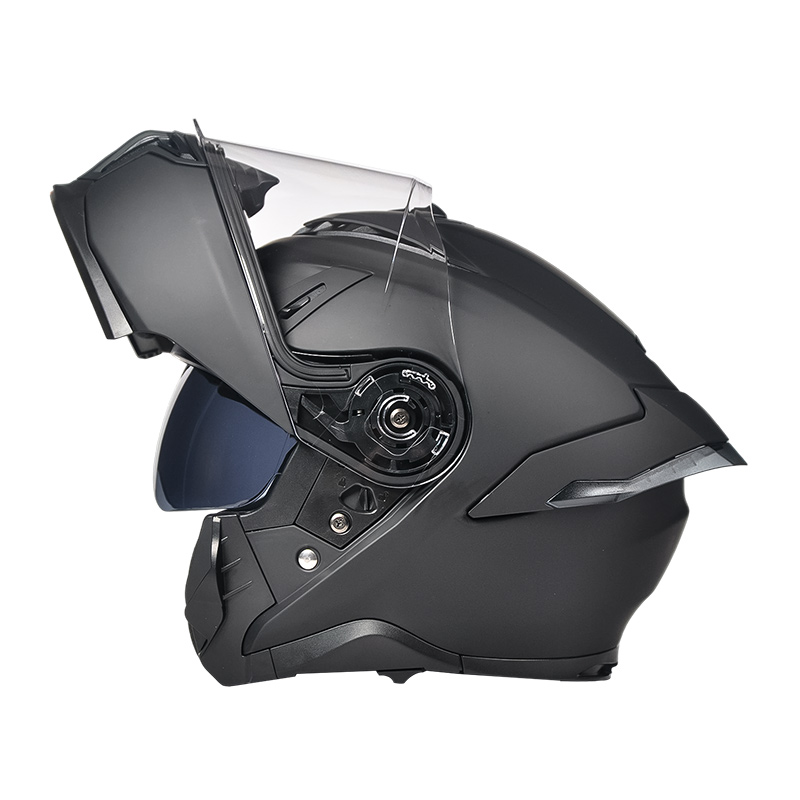
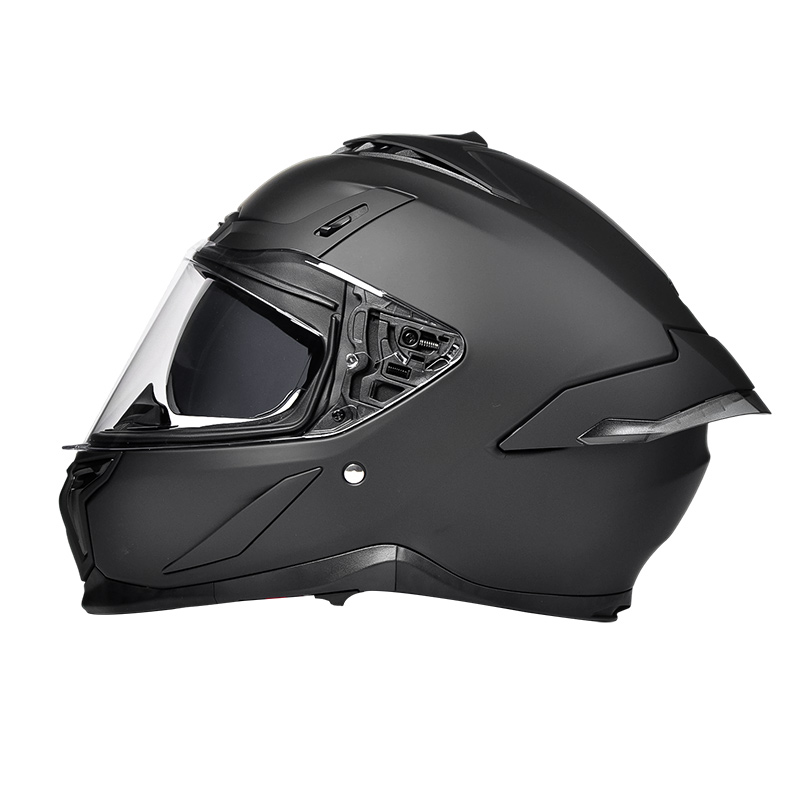
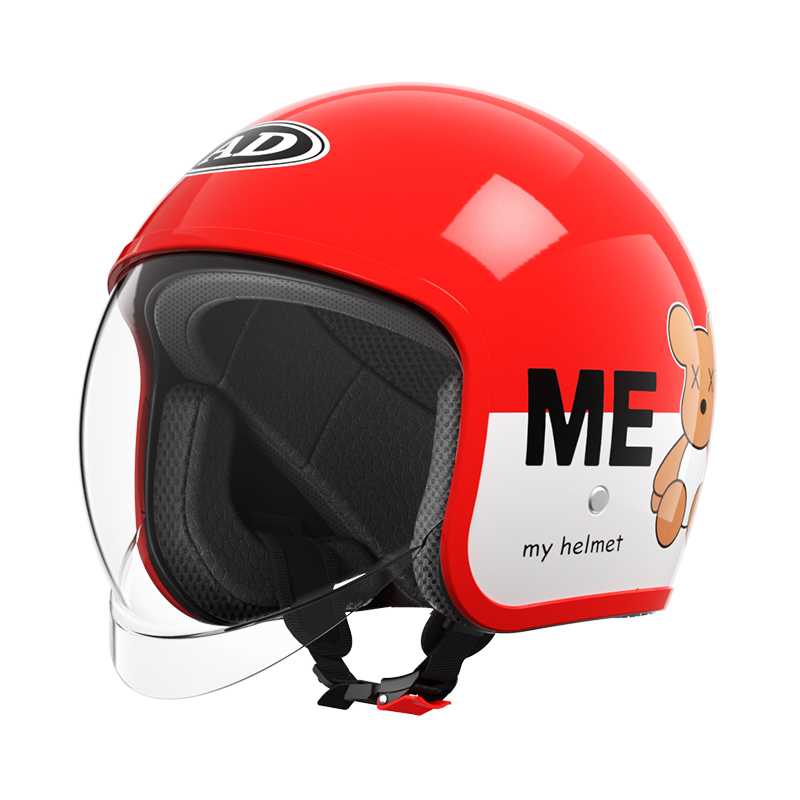
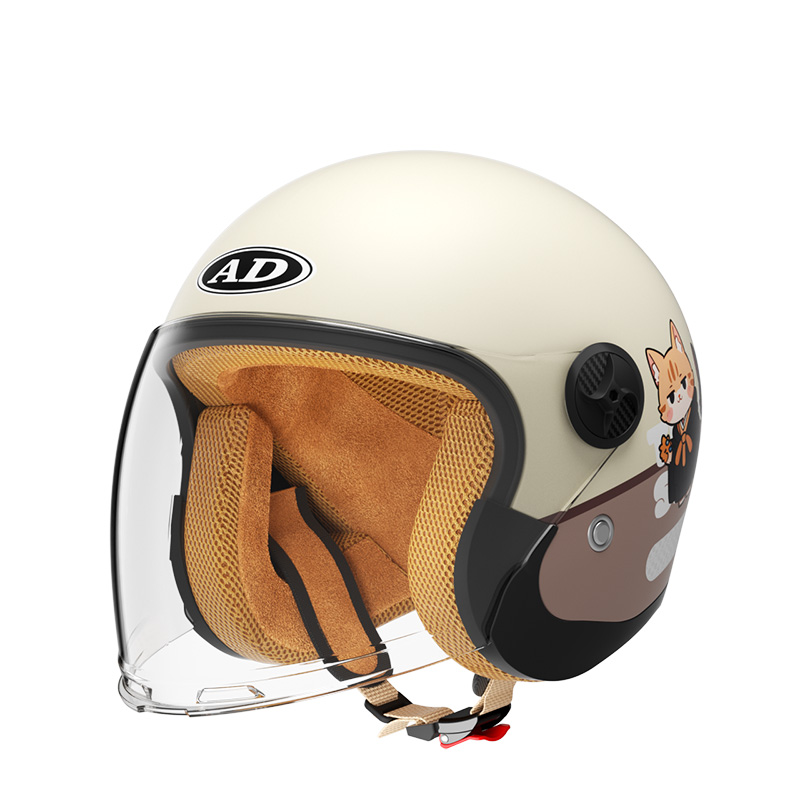
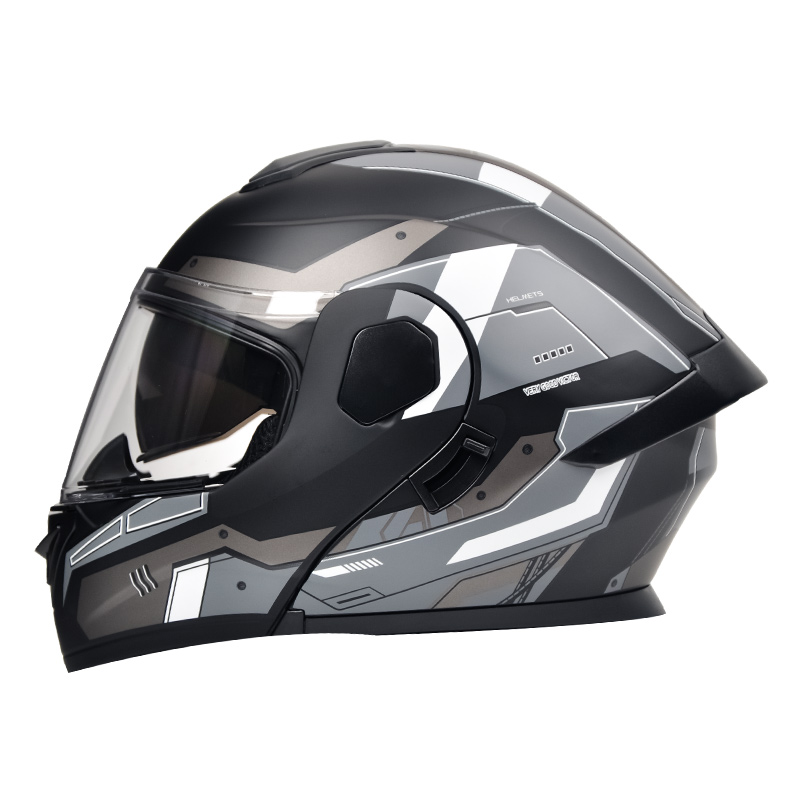
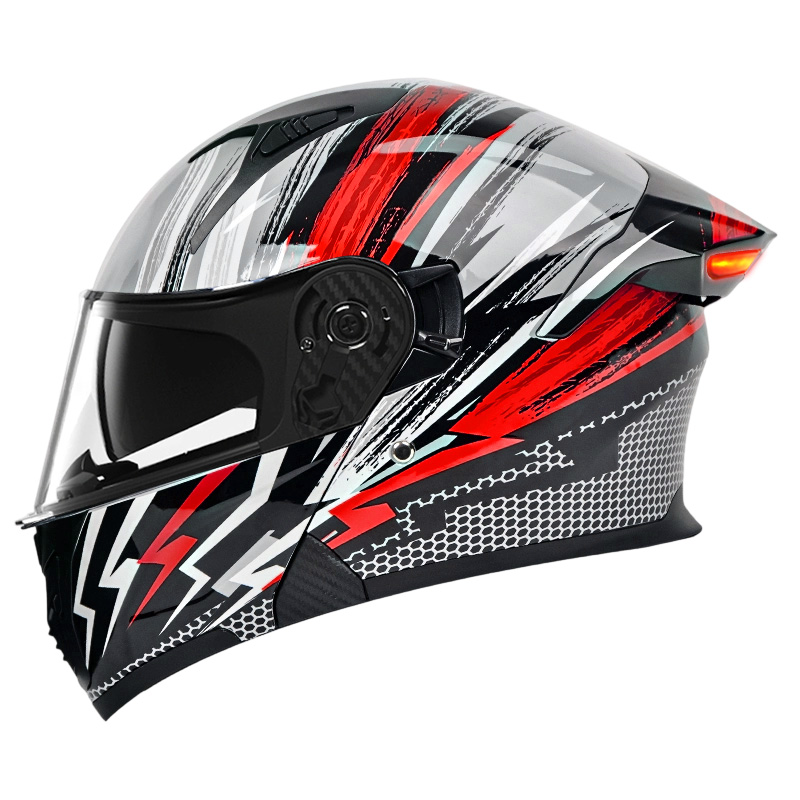
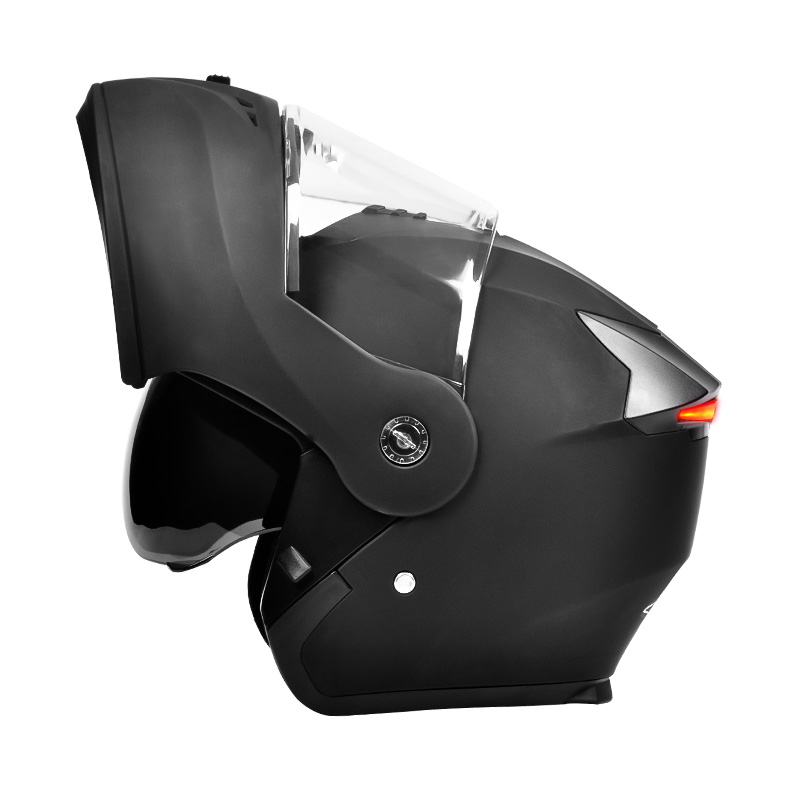
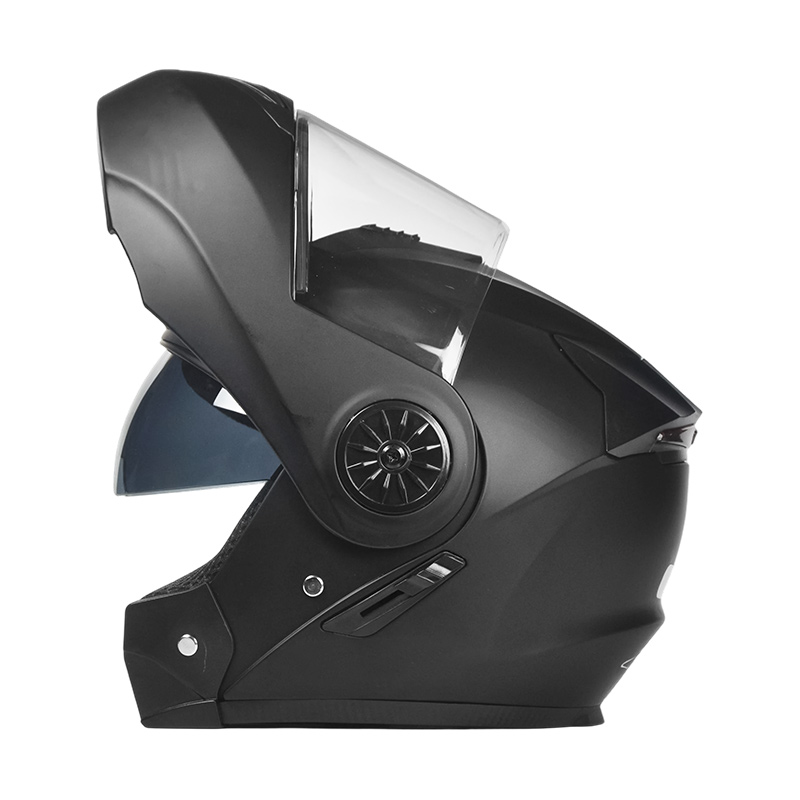
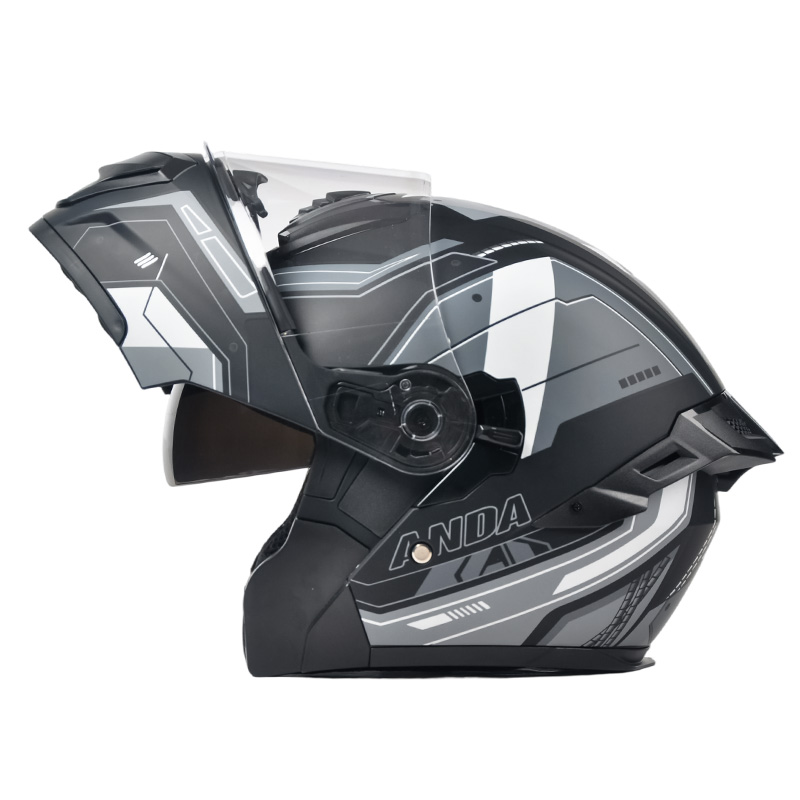
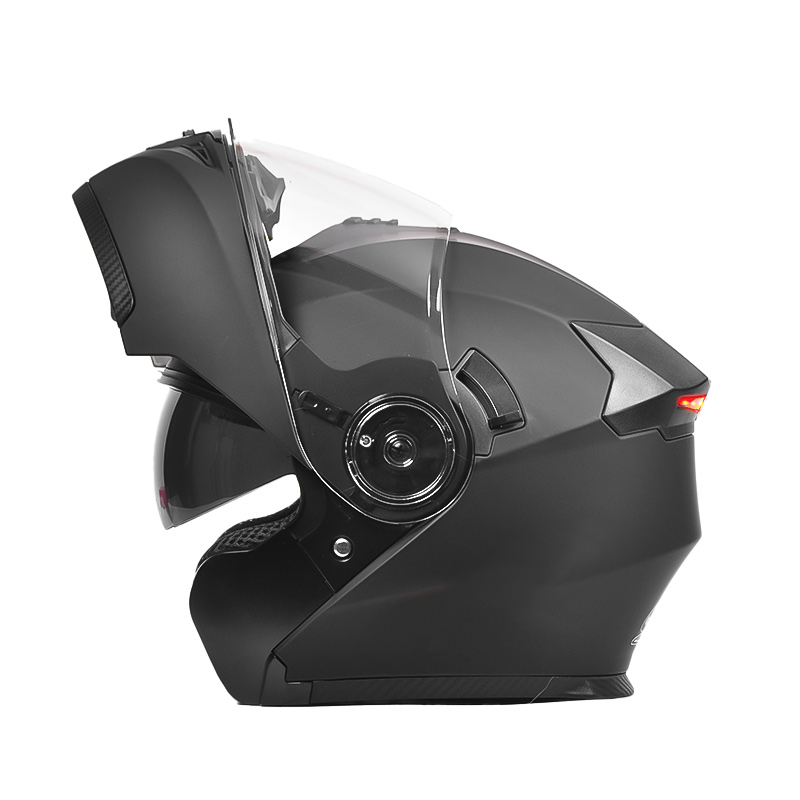
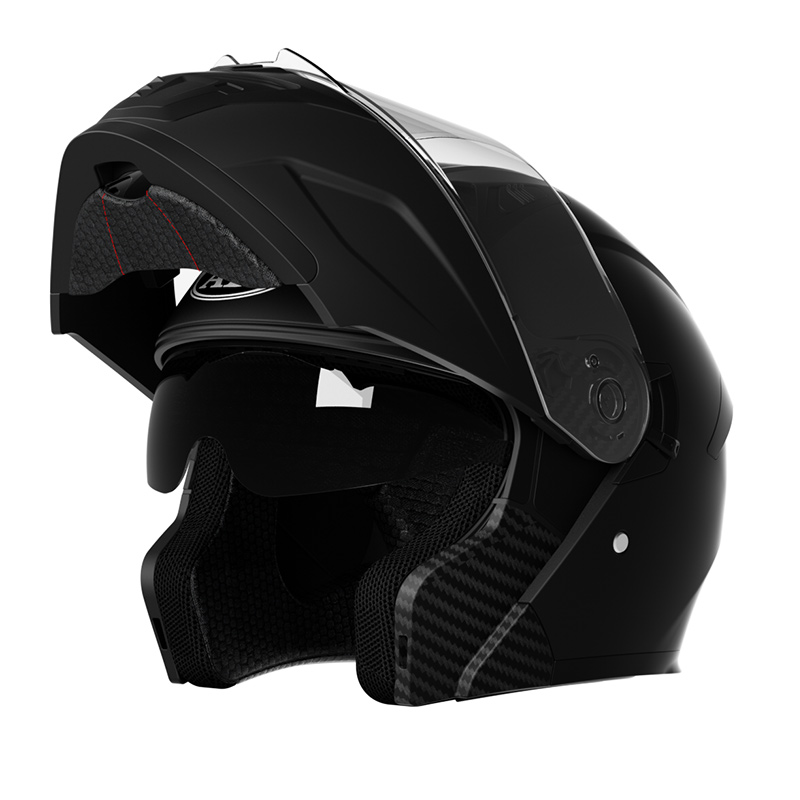






Chin Bar Locking Mechanisms and Why Redundancy Matters
At Shanghai Weijue Industry Co.,Ltd, chin bar lock design is treated as the single most safety-critical component on any Modular Motorcycle Helmet, because an unlocked chin bar that swings open mid-crash defeats the purpose of full-face protection entirely. A properly engineered locking system uses two independent locking points, one on each side of the hinge, rather than a single central latch, so that an impact on one side of the shell doesn't simultaneously disable the lock on the other side. Some lower-cost Flip Up Motorcycle Helmet designs rely on a single-point latch to cut manufacturing cost, which technically passes basic static testing but performs less predictably under the asymmetric impact angles that occur in real-world crashes.
Buyers evaluating a modular supplier should specifically ask whether the locking mechanism has been tested in both the closed full-face position and the open flip-up position, since a chin bar that's accidentally left unlocked in transit or during a quick stop needs to fail in a way that's immediately obvious to the rider, not silently.
- Dual-point locking at both hinge sides rather than a single central latch
- Visible or audible lock confirmation so riders can verify closure without removing gloves
- Secondary safety catch that prevents full chin bar release from a partially open position
Hinge Pivot Placement and Its Effect on Shell Balance
Where the pivot point sits on a Modular Helmet shell changes more than just how the chin bar swings — it shifts the helmet's center of gravity when the chin bar is in the raised position. A pivot placed too far forward makes the flipped-up chin bar feel front-heavy, which can be uncomfortable at low speed when a rider rides briefly with the chin bar open, such as through a toll booth or drive-through. A pivot placed correctly close to the ear line keeps the raised chin bar's weight distributed closer to the head's natural balance point instead of hanging forward off the front of the shell.
This is also why pivot hardware needs to be metal-reinforced rather than molded directly into the plastic shell — repeated flip cycles over years of use will wear a plastic-only pivot point long before the rest of the shell shows any fatigue.
Choosing Between Full-Face Mode and Open-Face Mode for Different Routes
The practical value of a Flip Up Helmet comes down to matching riding mode to route type rather than picking one mode and leaving it there permanently. Highway and inter-city riding benefit from keeping the chin bar locked in full-face mode, since higher average speeds increase both impact energy and wind noise exposure. Slower urban riding, especially in hot climates, is where open-face mode earns its keep — better ventilation and easier communication at intersections without fully removing the helmet.
Mode Selection by Riding Scenario
| Riding Scenario | Recommended Mode | Reason |
|---|---|---|
| Highway or intercity travel | Full-face, locked | Higher impact energy at speed |
| Slow urban traffic, hot climate | Open-face | Better airflow, easier communication |
| Toll booths or brief stops | Open-face, brief use | Convenience without full removal |
Weight and Wear Considerations Over Years of Flip Use
A Modular Motorcycle Helmet inherently carries more hardware than a standard full-face shell — the hinge assembly, dual locking mechanism, and reinforced chin bar structure all add weight that has to be balanced elsewhere in the design. This typically means the EPS liner and crown padding are engineered slightly thinner in a modular shell compared to a fixed full-face model of the same overall weight class, which is a trade-off worth understanding rather than a flaw, since the hinge hardware itself absorbs some impact energy that would otherwise need to be handled entirely by foam.
Long-term hinge wear is the other factor rarely discussed in spec sheets. After several years of daily flip cycles, hinge tension can loosen slightly, which is why we specify metal reinforcement and tension-adjustable hinge components on every Flip Up Motorcycle Helmet line produced by Shanghai Weijue Industry Co.,Ltd, rather than relying on a fixed-tension plastic hinge that degrades without any way to recalibrate it.