


 русский
  Français
  Español
  عربى
عربى  italiano
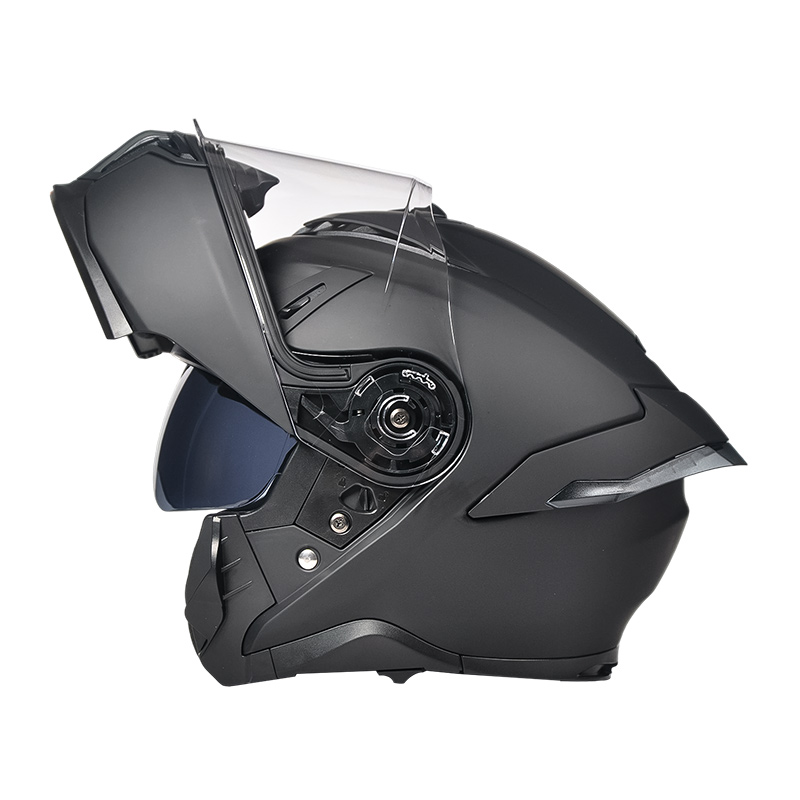
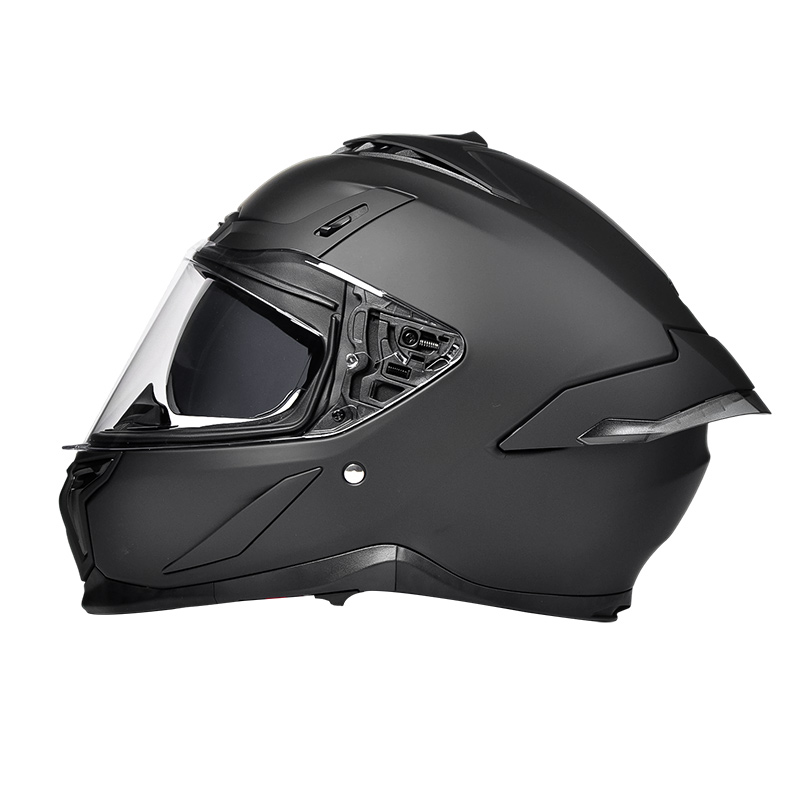
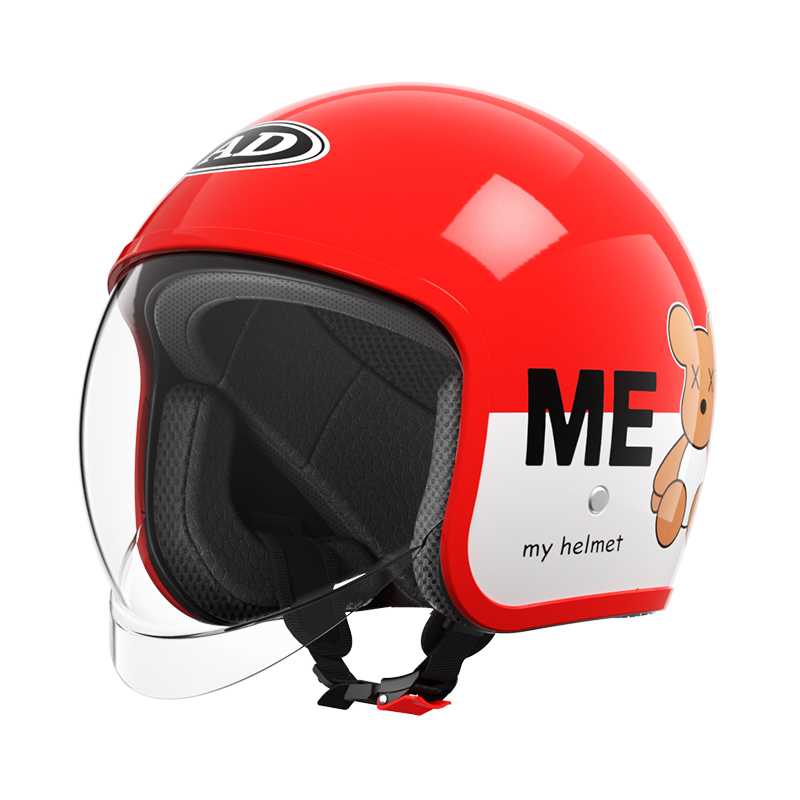
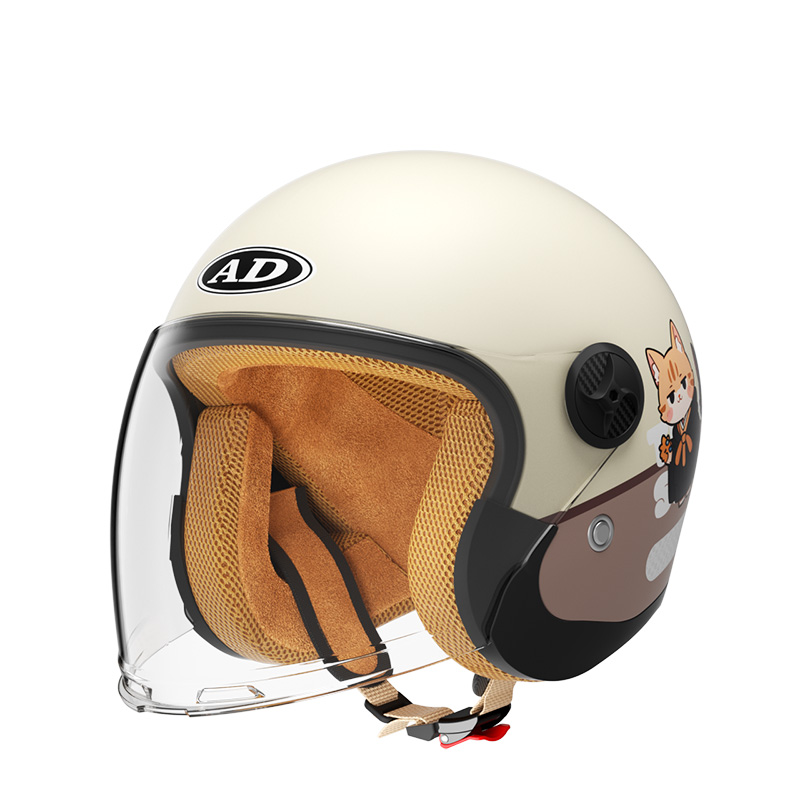
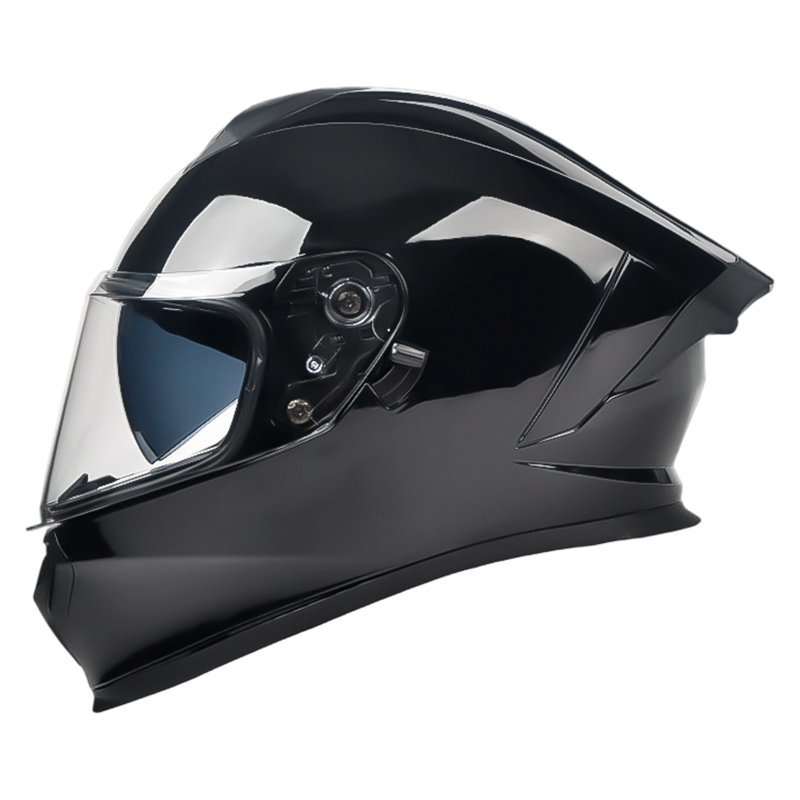
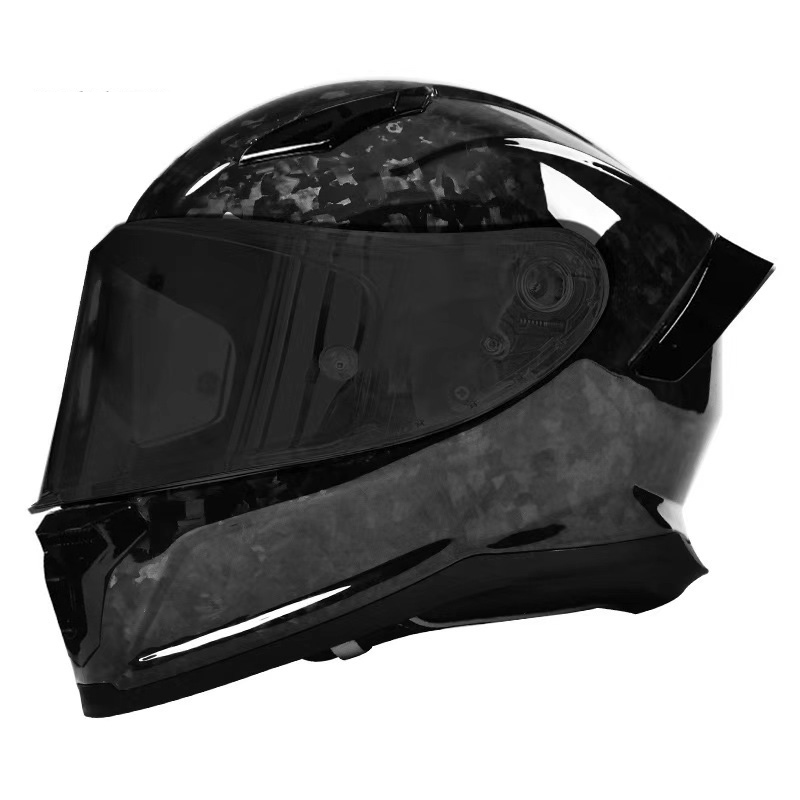
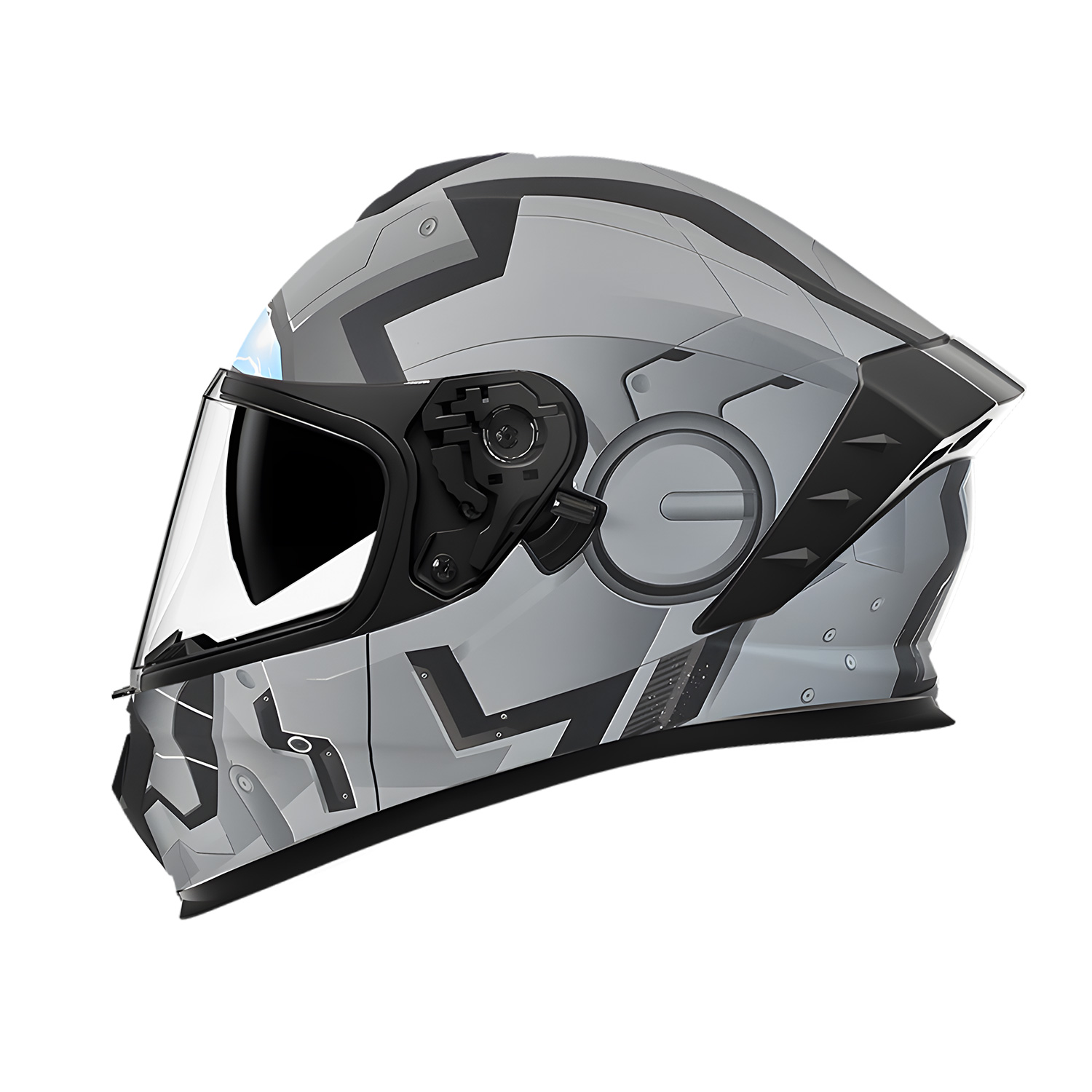
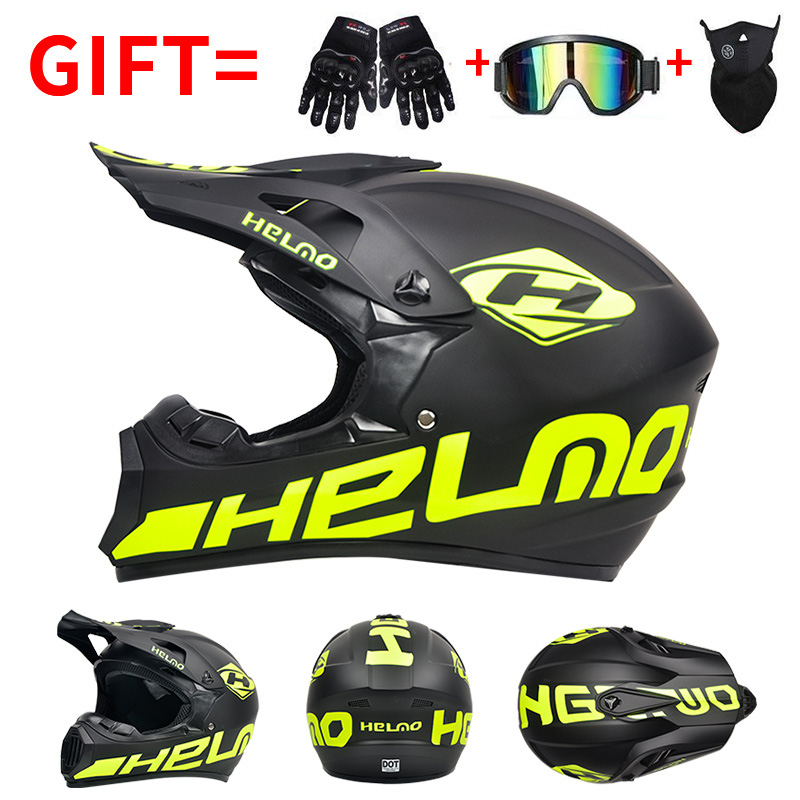






How Carbon Fiber Weave Orientation Changes Impact Behavior
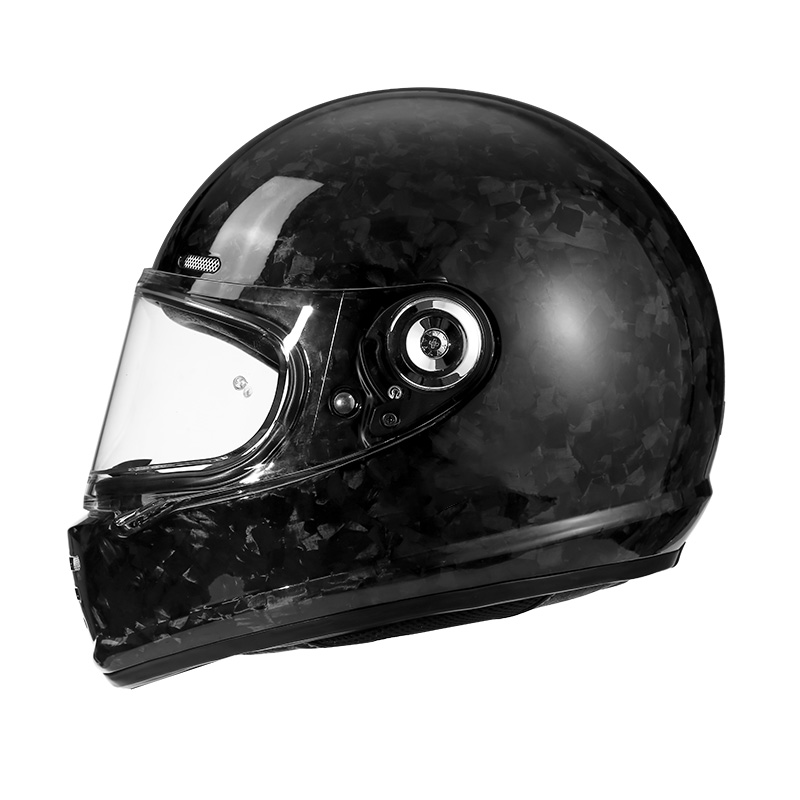
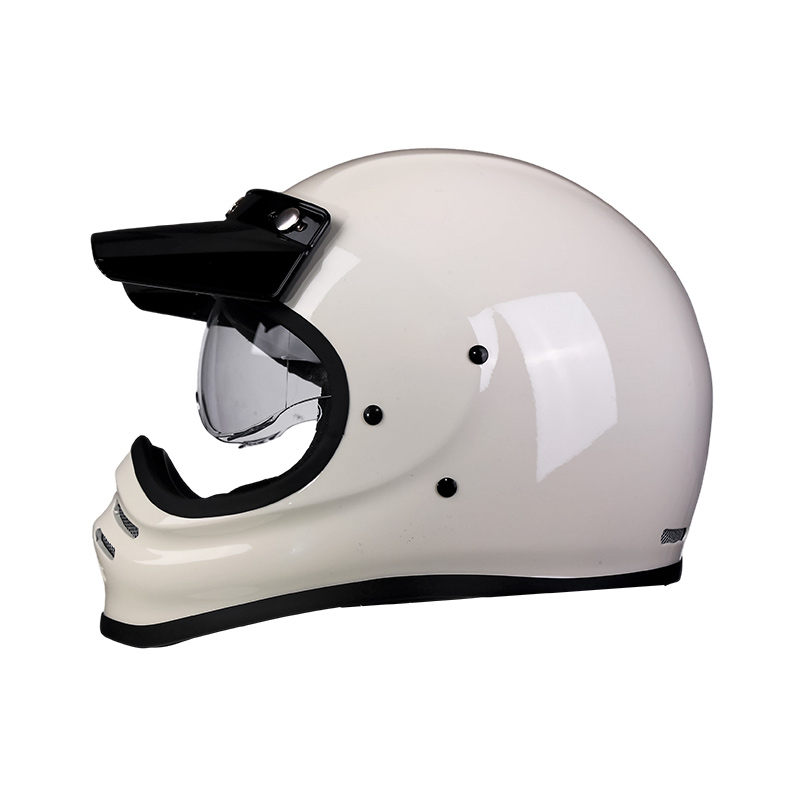
Shanghai Weijue Industry Co.,Ltd approaches carbon layup as a structural engineering decision, not a cosmetic one. In a Carbon Fiber Helmet, the direction of the weave — 0/90 degree versus 45 degree bias — determines how impact energy travels across the shell. A 0/90 layup resists direct compression well, which is useful across the crown, while a 45 degree bias layup handles shear loads better, which matters more around the temple and jaw areas where impacts often arrive at an angle rather than straight on. Manufacturers who use a single uniform weave across the entire shell are usually optimizing for production speed rather than impact distribution, since true multi-directional layup requires hand-placing fabric sheets in different orientations by zone.
Resin-to-fiber ratio is the other variable buyers rarely ask about. Too much resin adds weight without adding strength, while too little leaves dry spots that crack under load. A properly cured Carbon Fiber Motorcycle Helmet shell typically sits in a 60:40 fiber-to-resin ratio by weight, and this figure is worth requesting directly from any supplier during quality audits.
- 0/90 degree weave: stronger against direct crown impact
- 45 degree bias weave: better shear resistance at temple and jaw zones
- Autoclave curing under pressure reduces air pockets compared to open-mold curing
Wall Thickness Control in ABS Injection Molding
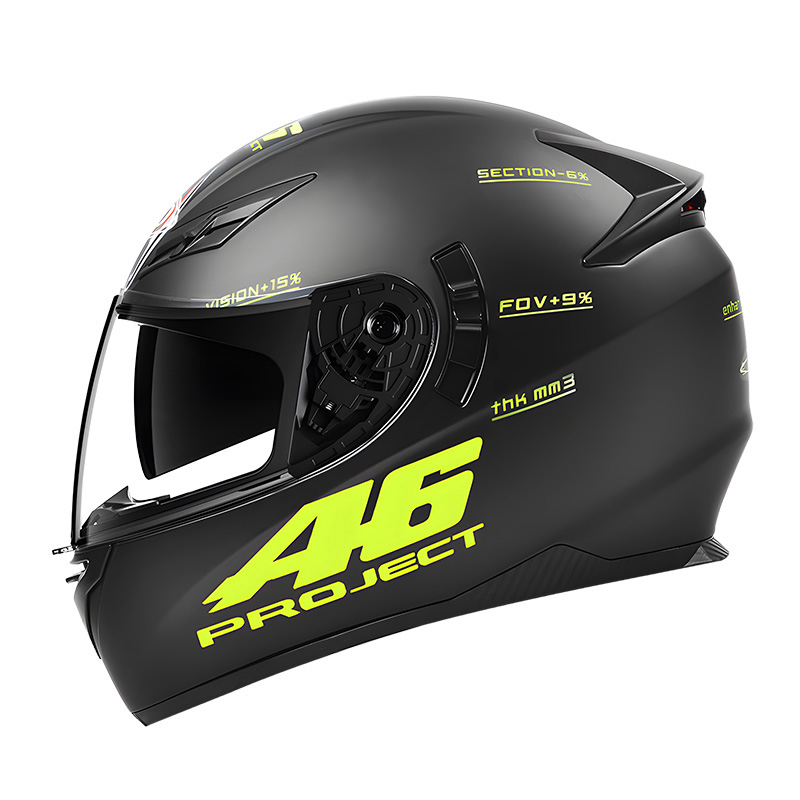
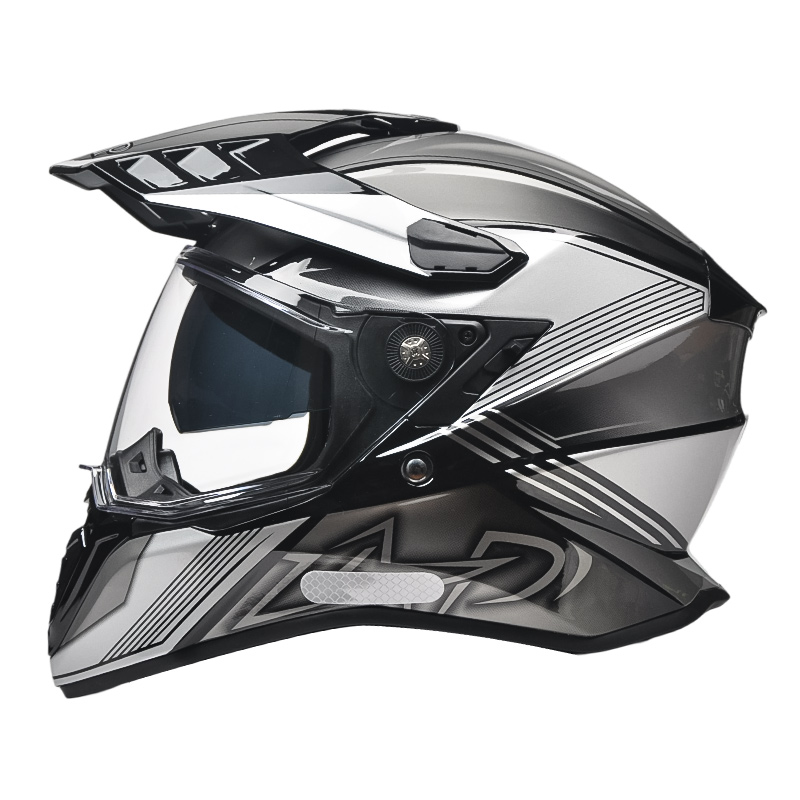
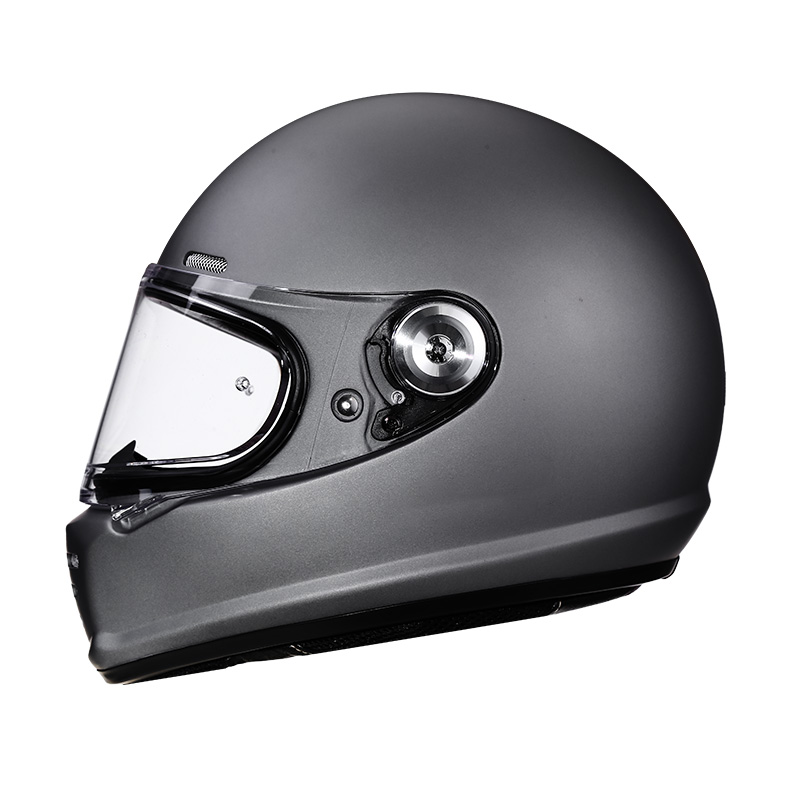
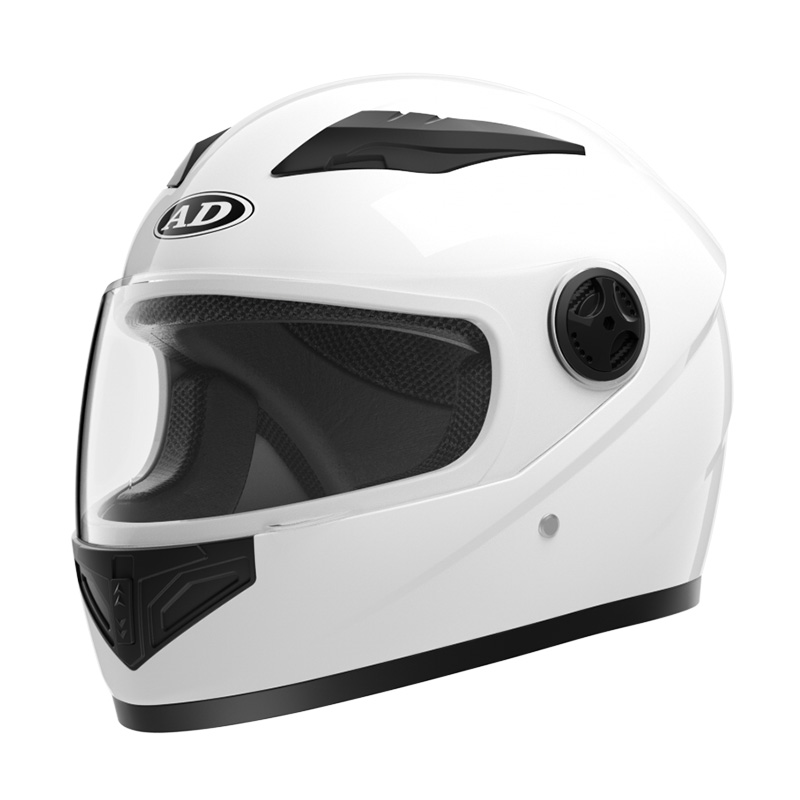
An ABS Motorcycle Helmet shell lives or dies on mold consistency rather than raw material grade alone. Injection molding relies on maintaining even wall thickness across the entire shell — typically in the 3 to 4mm range — because any zone that cools faster than the surrounding material creates internal stress points called sink marks, which weaken impact resistance in exactly the areas riders can't see from the outside. Mold temperature, injection pressure, and cooling time all need to stay within tight tolerances batch after batch, which is why cheaper tooling operations often show inconsistent results even when using the same ABS resin grade as a higher-end manufacturer.
Buyers evaluating an ABS Helmet supplier should ask about mold cavity count and shot consistency testing, not just the resin brand name, since two helmets made from identical raw material can perform very differently depending on how tightly the injection process is controlled batch to batch. This is also where Shanghai Weijue Industry Co.,Ltd invests heavily, running shell thickness spot checks on every production batch rather than relying only on pre-production sampling.
Weight Distribution and Neck Fatigue Over Long Rides
Total helmet weight gets most of the attention in product listings, but weight distribution around the head matters more for rider fatigue on rides longer than two hours. A helmet with weight concentrated toward the front — common in models with heavy face shields or forward-mounted vents — creates more forward neck strain than a helmet of the same total weight with mass distributed evenly around the shell. This is one of the practical advantages carbon fiber construction offers over ABS: for the same shell thickness needed to pass impact testing, carbon fiber typically saves 150 to 200 grams, and that saved weight is most noticeable in reduced neck fatigue during sustained highway riding rather than in any single spec number.
Where the Weight Difference Actually Matters
- Sustained highway speeds where wind resistance adds torque to the neck
- Track riding with frequent head movement checking mirrors and blind spots
- Multi-hour touring routes where cumulative fatigue affects reaction time
Matching Shell Material to Order Volume and Price Positioning
The decision between stocking a Carbon Fiber Helmet line versus an ABS Helmet line usually comes down to matching production economics to the target retail tier, rather than one material being universally "better." Carbon layup is labor-intensive and doesn't scale down in cost the way injection molding does at high volume, so it tends to make sense for premium product lines with lower unit counts. ABS molding, by contrast, gets more cost-efficient as order volume increases, since tooling costs are spread across a larger run.
| Factor | Carbon Fiber Motorcycle Helmet | ABS Motorcycle Helmet |
|---|---|---|
| Production Method | Hand layup, autoclave cured | Injection molded |
| Cost Efficiency at Scale | Improves slowly with volume | Improves sharply with volume |
| Typical Positioning | Premium, lower unit count | Mid-range, high volume |
Because order structures vary so much by market, we run both a Carbon Fiber Helmet line and an ABS Helmet line in parallel at Shanghai Weijue Industry Co.,Ltd, so buyers can align shell material with their price tier without switching suppliers between product ranges.