


 русский
  Français
  Español
  عربى
عربى  italiano
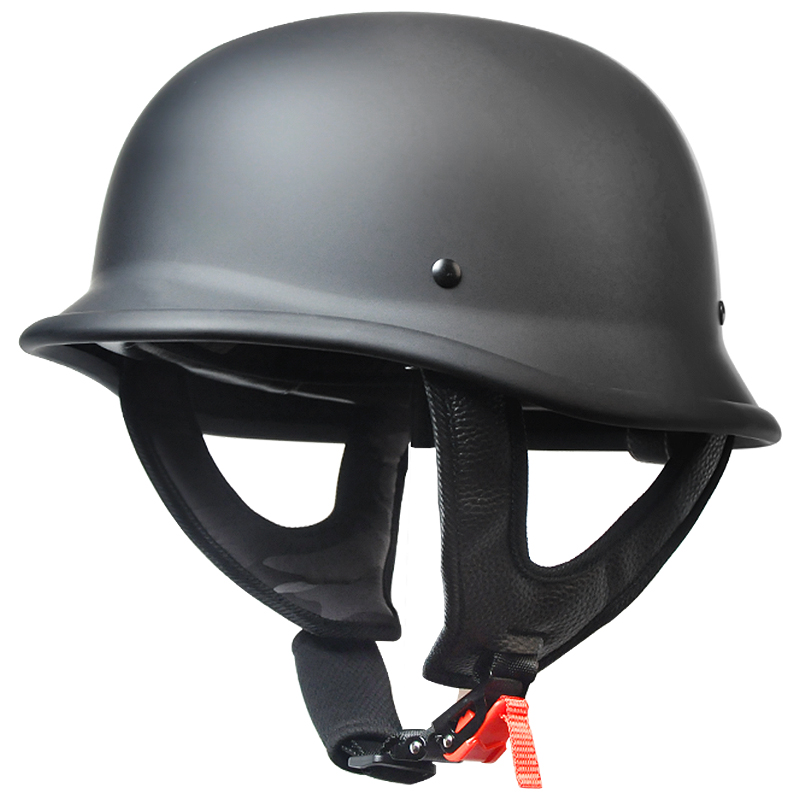
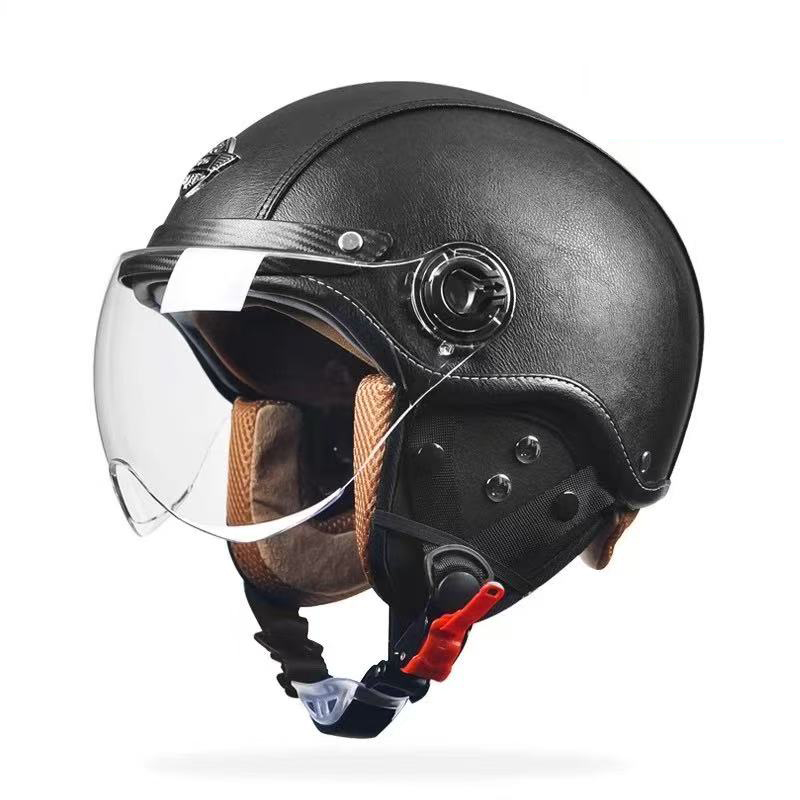
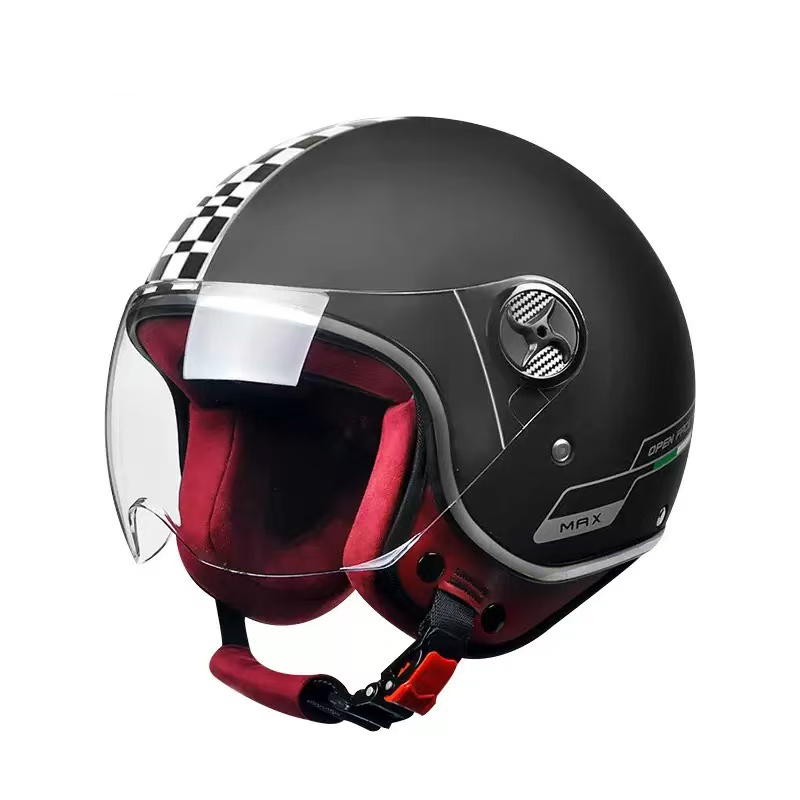
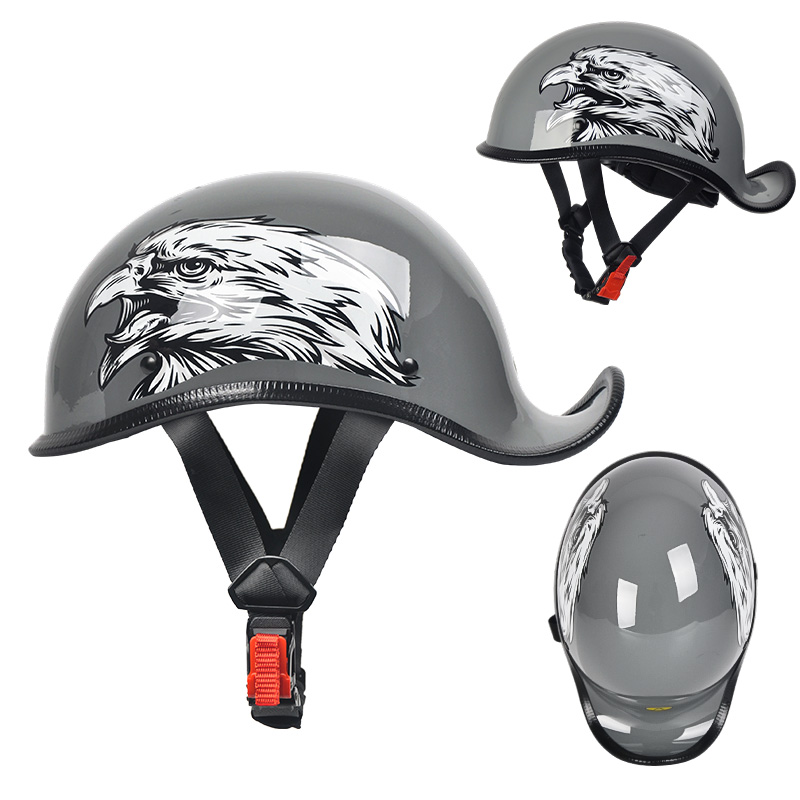
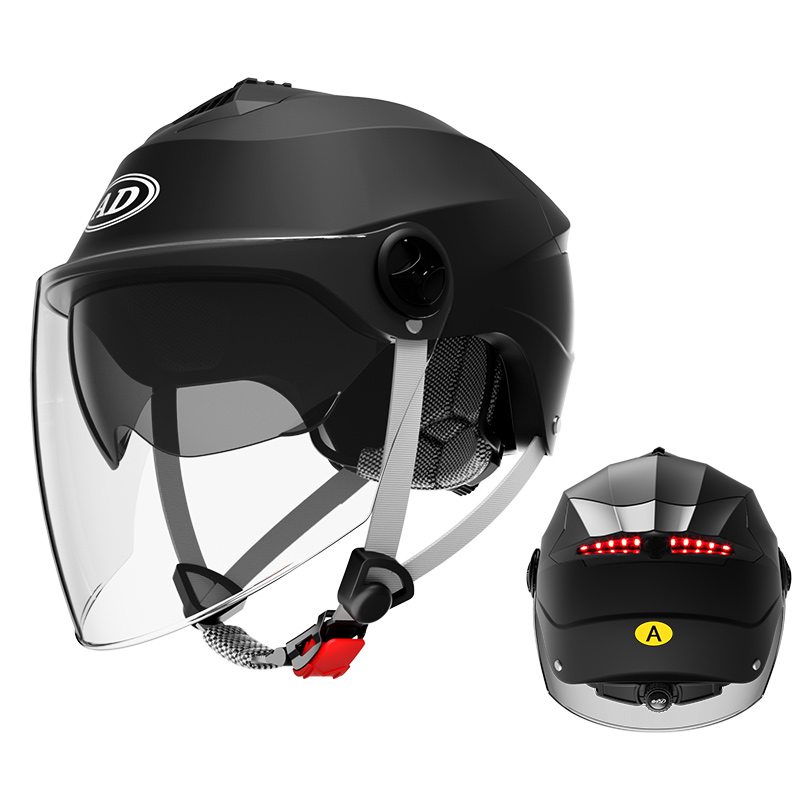
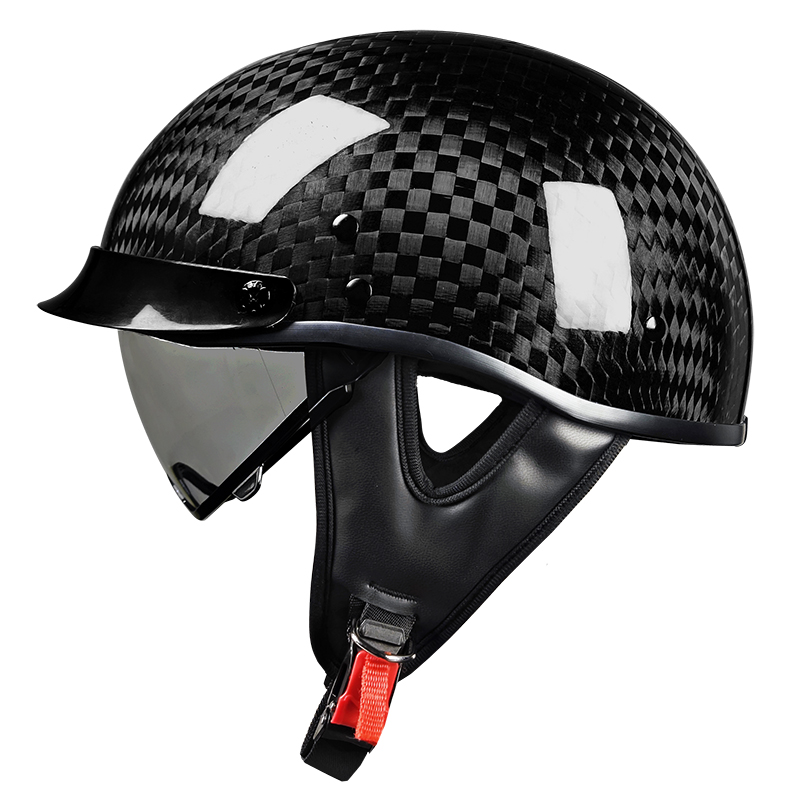
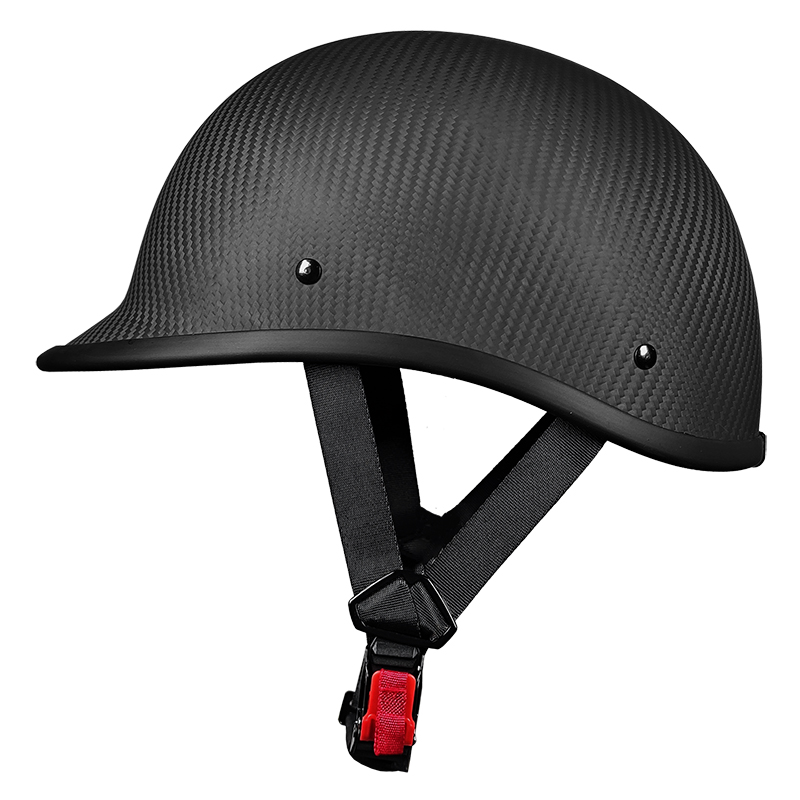
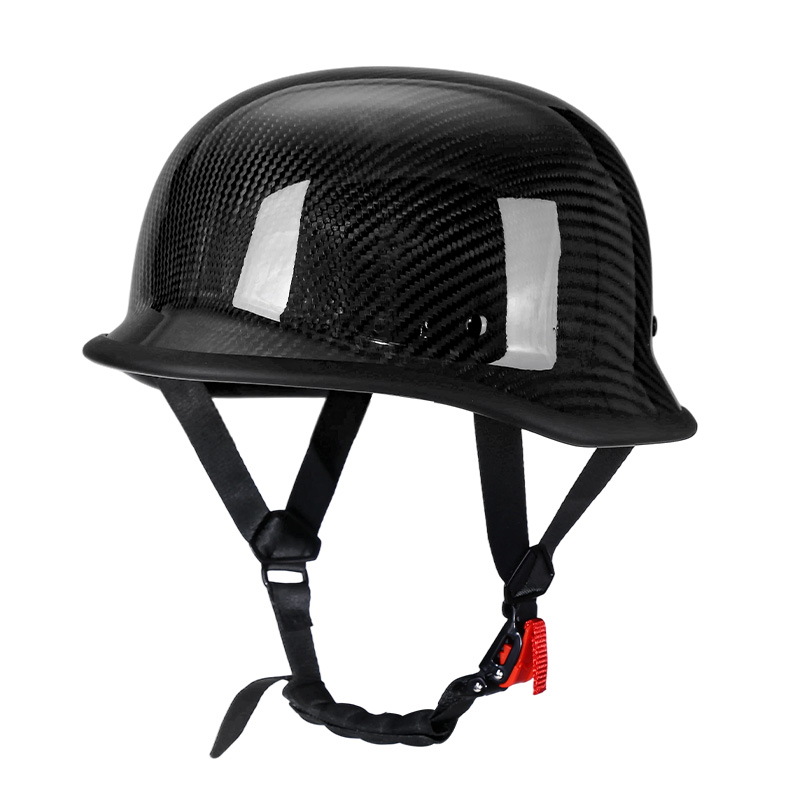






Balancing Vintage Shell Profiles With Modern Impact Standards
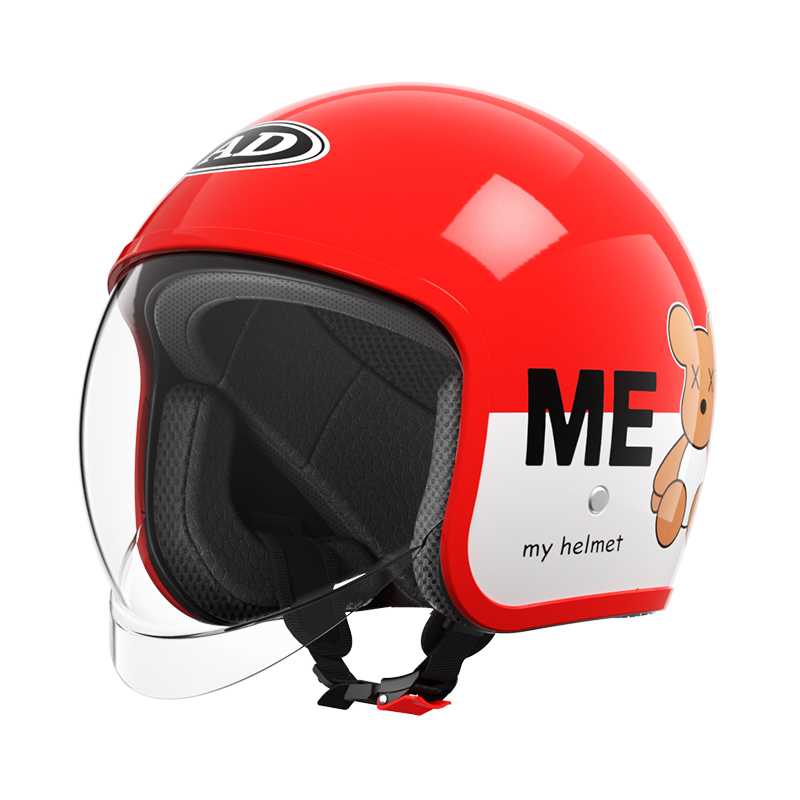
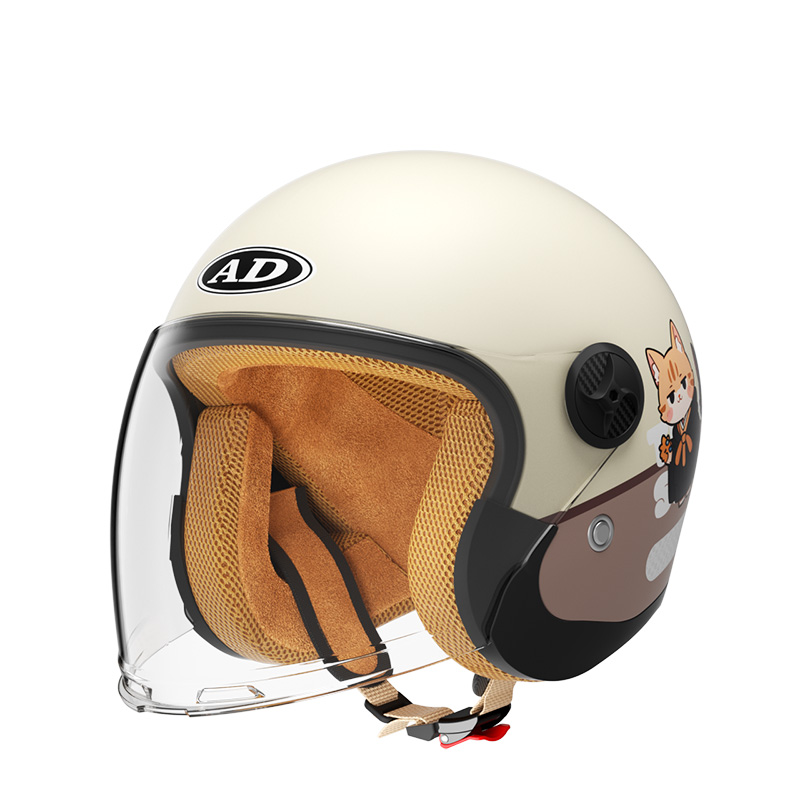
A Retro Motorcycle Helmet presents a specific engineering challenge that modern-styled shells don't face: the low-profile, rounded silhouette riders want for the vintage look leaves less internal volume for EPS foam than a taller, more angular modern shell of the same outer size. Shanghai Weijue Industry Co.,Ltd addresses this by using higher-density EPS foam in retro shell lines rather than simply shrinking the foam layer to fit the smaller profile, since reducing foam thickness to preserve the classic silhouette would come at the cost of impact absorption. Higher-density foam compresses less per unit of force, which allows a thinner overall foam layer to still meet the same deceleration limits required for certification.
Shell curvature also plays a role here. The rounded "pudding bowl" style associated with classic café racer helmets actually has less surface area to deflect glancing impacts compared to a shell with a more pronounced rear taper, which is why retro shells typically need slightly more reinforcement around the crown seam to compensate for that flatter curvature.
- Higher-density EPS foam compensates for reduced internal volume in low-profile shells
- Crown seam reinforcement offsets the flatter curvature of rounded retro profiles
- Foam density testing is done per shell profile, not applied uniformly across a product line
Retention Strap Positioning on Shells With No Chin Bar
A Half Face Motorcycle Helmet relies entirely on strap positioning and shell edge shaping to stay in place during a crash, since there's no chin bar or extended coverage to help resist rotation. The rear edge of the shell needs enough downward curve at the base of the skull to prevent the helmet from riding up and off during a forward slide, which is a detail that's easy to get wrong when a shell is styled primarily for a flat, low profile look. Strap anchor points positioned too far forward on the shell also reduce leverage against roll-off, so anchor placement close to the ear line, angled slightly rearward, gives the strap better mechanical resistance against the helmet lifting off in an impact.
Buyers sourcing a Half Face Helmet line should specifically request roll-off testing data, not just standard impact and retention figures, since roll-off resistance is the metric most specific to this shell category and isn't always reported the same way basic impact numbers are.
Interior Liner Trim That Preserves the Classic Silhouette
Retro-styled shells often use exposed rivets, contrast piping, and slimmer edge trim as part of the aesthetic, and these design choices need to be engineered so they don't interfere with liner comfort or create pressure points along the shell edge. A liner that's trimmed too close to an exposed rivet line can create a hard edge against the forehead or temple that a smoother modern liner wouldn't have, so retro liner patterns typically need an extra fitting round during development to confirm the trim doesn't compromise comfort for the sake of the vintage look.
Design Elements That Require Extra Liner Fitting
| Design Element | Potential Fit Issue | Liner Adjustment |
|---|---|---|
| Exposed edge rivets | Pressure points near temple | Extra padding buffer around rivet line |
| Slim edge trim | Reduced edge cushioning | Denser foam strip along the rim |
| Contrast piping seams | Seam rub against skin | Recessed stitching pattern |
Ventilation Trade-offs Unique to Minimal-Coverage Shells
A Half Face Helmet already has significant natural airflow simply because so much of the head is exposed, which changes the ventilation engineering priority compared to a full-face design. Instead of focusing on intake and exhaust vent placement, the main airflow concern shifts to managing turbulence and noise at the shell's edge, since the sharp boundary between covered and uncovered head area can create wind buffeting right at the shell rim during highway speeds. Smoothing that edge transition with a slightly rolled lip reduces this turbulence noticeably compared to a hard-cut shell edge.
We test edge turbulence on every new retro and half-face mold using wind tunnel airflow visualization before finalizing a shell design, which is one of the smaller engineering steps that doesn't show up in a spec sheet but has been part of standard development practice at Shanghai Weijue Industry Co.,Ltd for years.