


 русский
  Français
  Español
  عربى
عربى  italiano
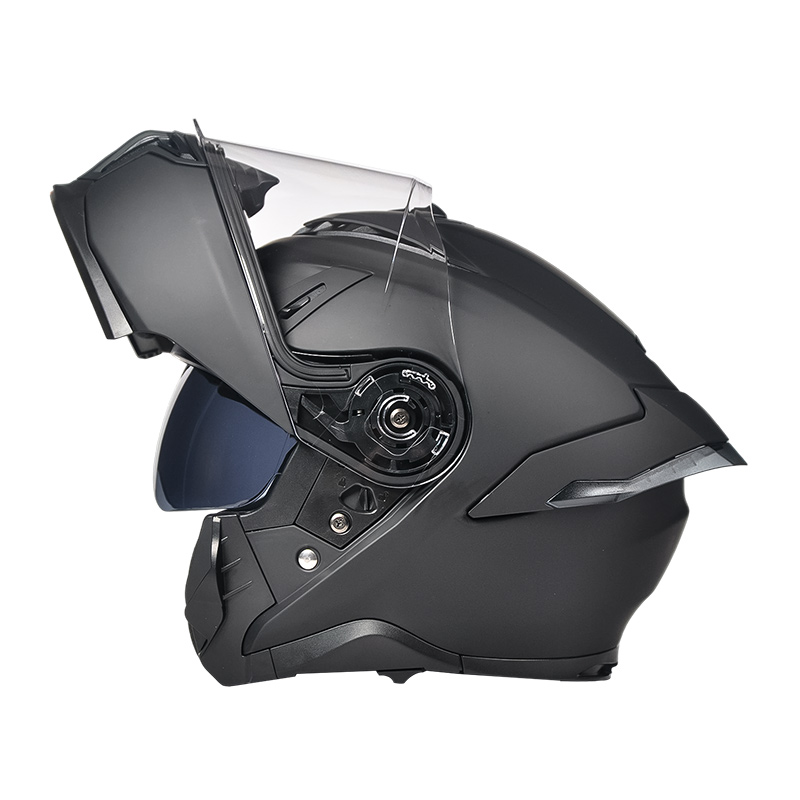
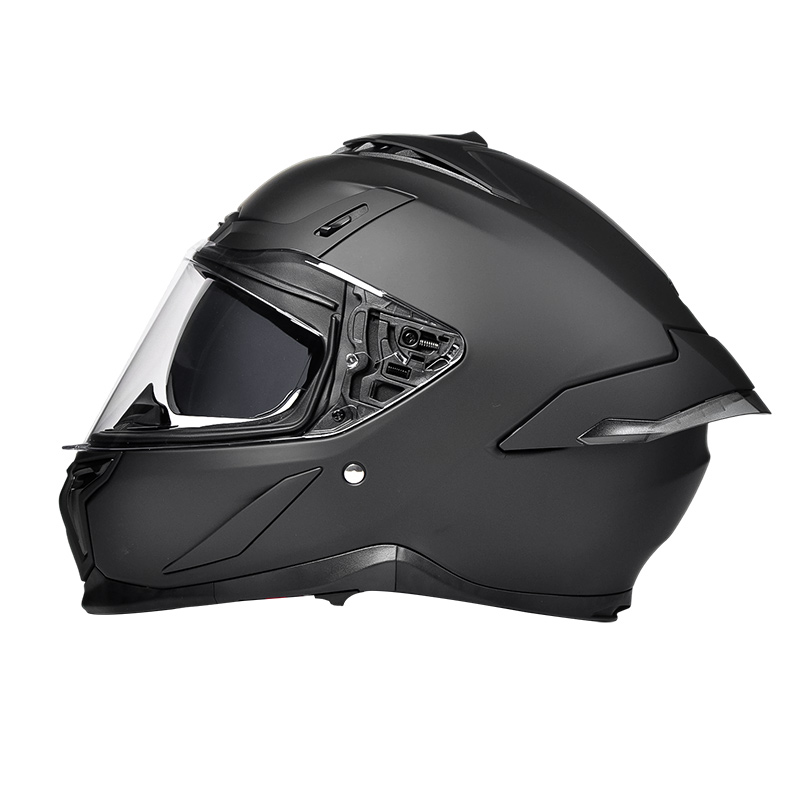
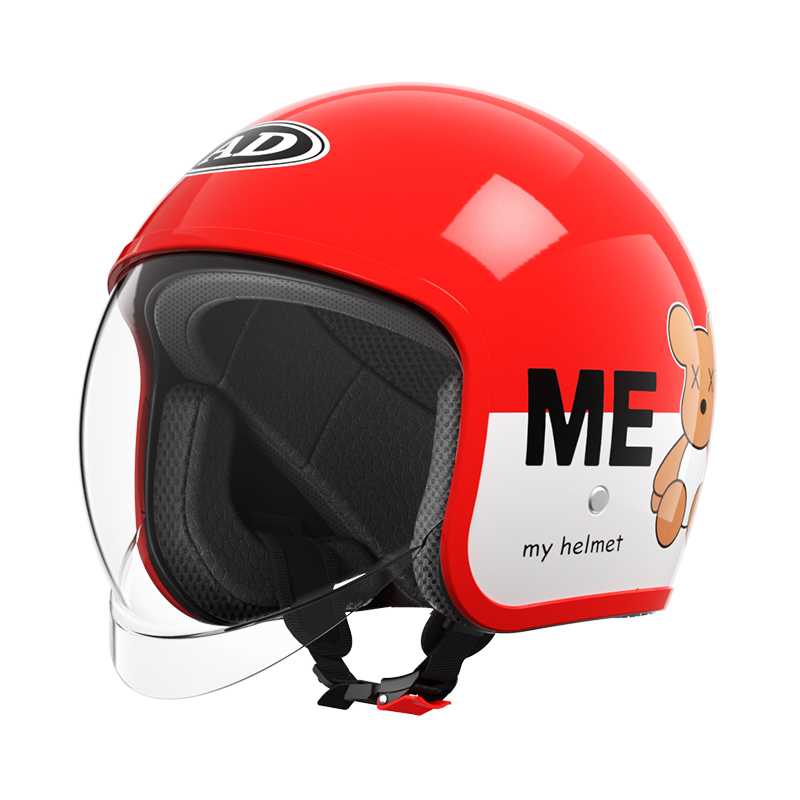
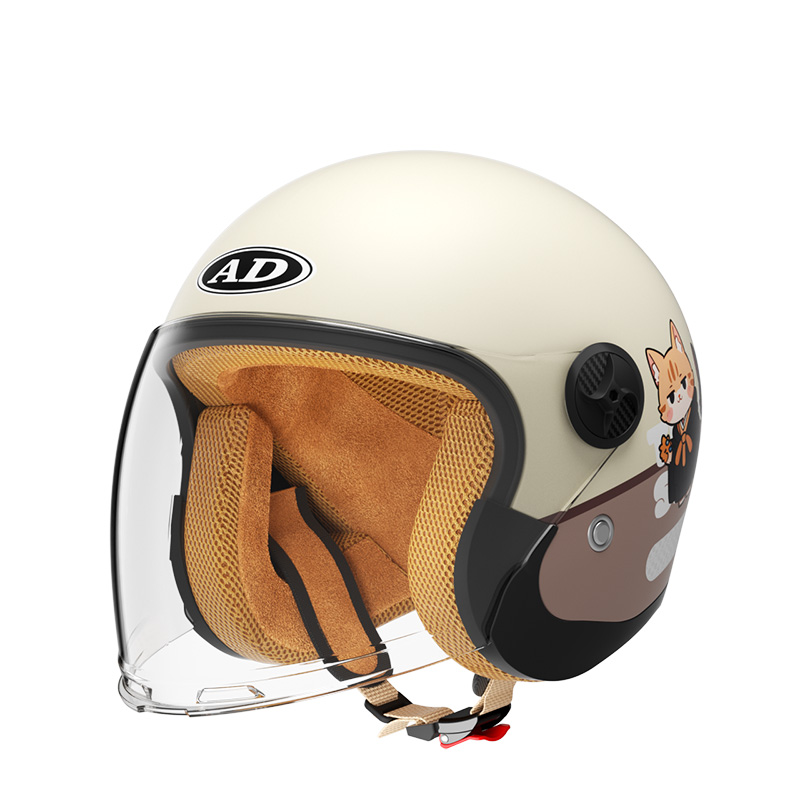
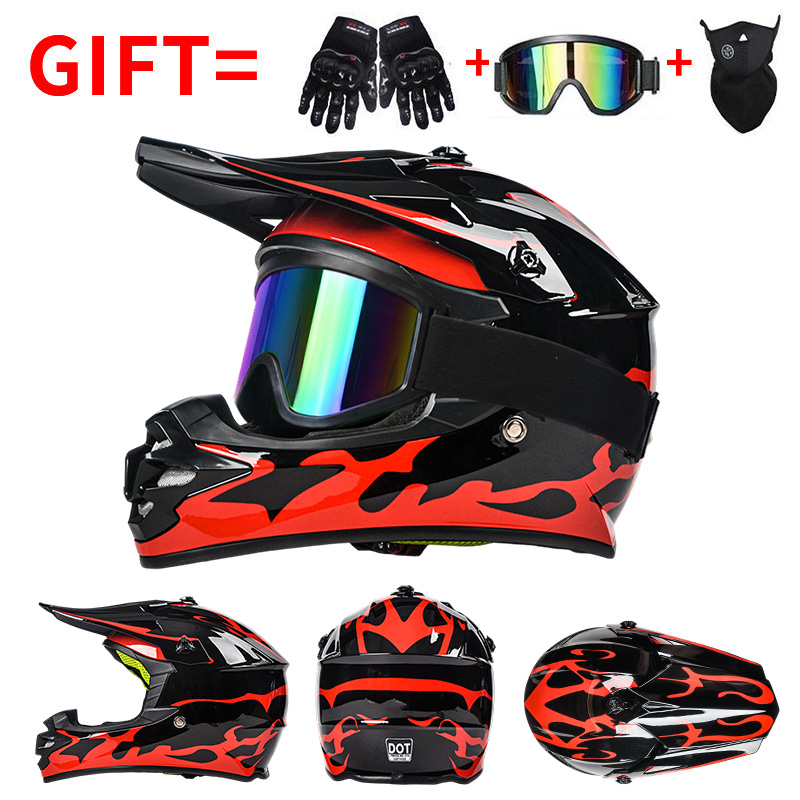
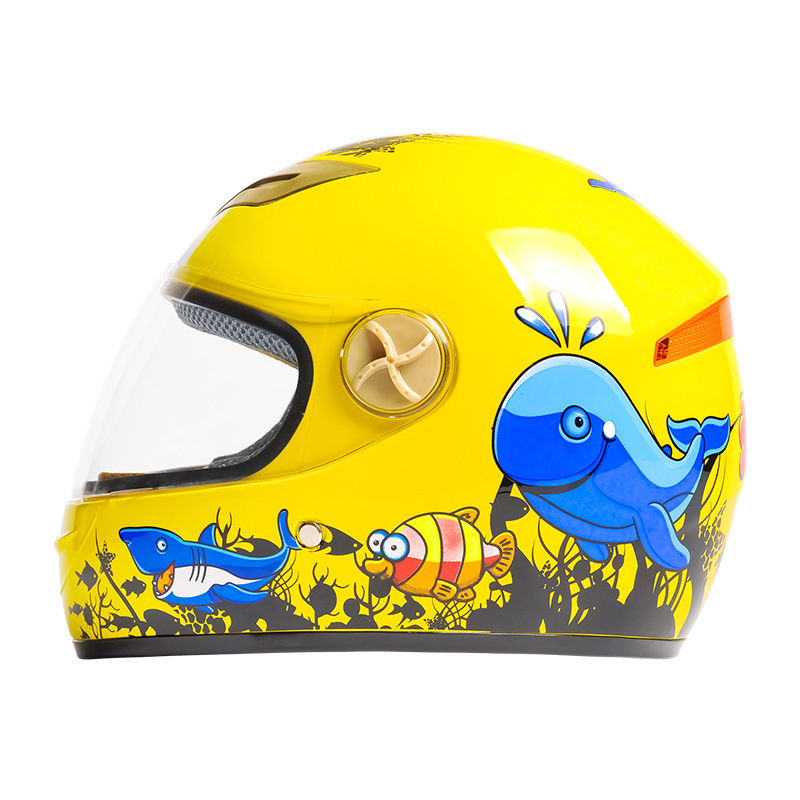
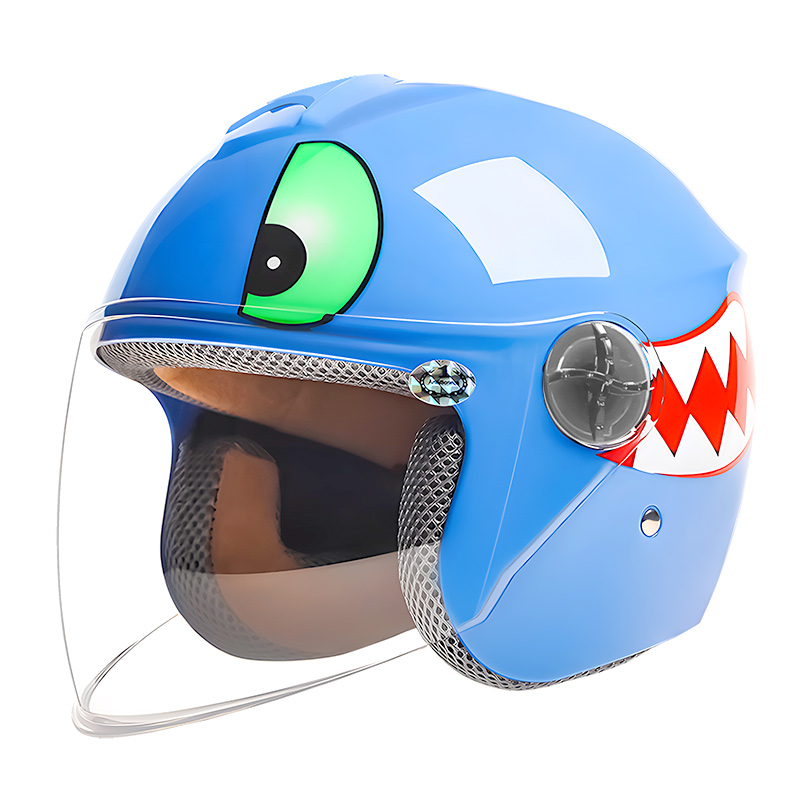
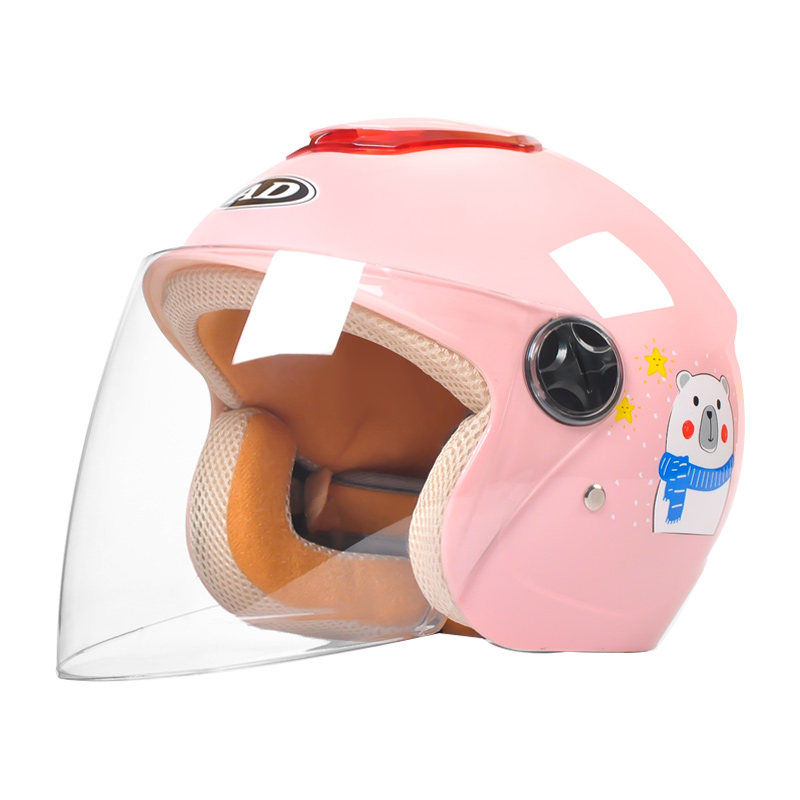






Why Scaled-Down Adult Shells Don't Actually Protect Children Correctly
Shanghai Weijue Industry Co.,Ltd builds every Kids Motorcycle Helmet from a dedicated child head-form mold rather than simply shrinking an adult shell to a smaller size, because children's skull proportions aren't a scaled-down version of an adult's. A child's head is proportionally larger relative to body size, with a higher center of mass and thinner skull bone density, which means impact energy needs to be managed differently than in an adult helmet. A shell that's just a smaller version of an adult mold typically places the widest impact zone in the wrong location relative to a child's actual head shape, leaving less effective coverage exactly where it's needed most during a fall or low-speed collision — the most common crash scenario for young riders.
EPS foam density also has to be recalibrated for lower-speed, lower-force impacts, since children typically experience crashes at slower speeds than adult riders, and foam tuned for adult-speed impact absorption can actually be too rigid to compress properly at the lower force levels common in child falls.
- Dedicated child head-form molds rather than scaled adult shells
- Foam density tuned for lower-speed, lower-force impact scenarios
- Wider impact zone coverage to match a child's proportionally larger head
Weight Limits and Neck Strength Considerations
Total shell weight matters far more for a Kids Helmet than for an adult equivalent, because a child's neck muscles haven't developed the strength to safely support the same relative helmet weight an adult neck handles easily. A helmet that feels lightweight to an adult tester can still place disproportionate strain on a child's neck during sudden stops or falls, since the ratio of helmet weight to neck strength is what actually matters, not the absolute weight number on a spec sheet. This is part of why children's helmets typically favor lighter-weight ABS formulations or thinner high-density foam layers over heavier composite constructions, even though composite shells offer certain advantages in adult product lines.
Weight Factors Specific to Child Riders
- Lower neck muscle development compared to adult riders
- Higher head-to-body weight ratio increases sensitivity to shell weight
- Lighter shell formulations preferred over heavier composite builds
Sizing for a Growing Head Without Compromising Fit
Fit tolerance is one of the hardest problems in children's helmet design, since a child's head size can change meaningfully within a single riding season, but a helmet that's sized loosely to "allow room to grow" defeats its own purpose by letting the shell shift during an impact. The better approach, which we apply across every Kids Motorcycle Helmet size range at Shanghai Weijue Industry Co.,Ltd, is adjustable interior padding combined with a narrower size range per model, so parents replace padding thickness rather than sizing up into a shell that's genuinely too large for the child's current head circumference.
| Age Range | Typical Head Circumference | Fit Adjustment Method |
|---|---|---|
| 3-6 years | 48-52 cm | Removable padding inserts |
| 7-10 years | 52-55 cm | Adjustable dial-fit system |
| 11-14 years | 55-58 cm | Layered padding, near-adult shell base |
Visibility Features That Compensate for Lower Riding Height
A child riding as a passenger sits at a lower height and different sightline than an adult rider, which changes how visible their helmet is to surrounding traffic, particularly to drivers of larger vehicles who may not register a smaller silhouette as quickly. Bright color schemes and reflective panel placement matter more functionally on a Kids Helmet than they do as a styling choice, since the goal is compensating for reduced visual prominence at lower height, not just appealing to a child's color preference. Reflective strips placed at the sides and rear of the shell, rather than only on top, address blind-spot visibility from vehicles approaching at an angle, which is the more common risk scenario for a young passenger than a direct rear approach.
This visibility-first approach to color and reflective placement is standard across our full children's product development process, reflecting the same safety-first engineering philosophy Shanghai Weijue Industry Co.,Ltd applies to every helmet category it manufactures.