

 русский
 Français
 Español
 عربى
 italiano

How to Pick a Bike Helmet: A Complete Buyer's Guide for Every Rider and Style
Content
Choosing the right bike helmet is one of the most important decisions you can make for your safety and comfort on every ride. A helmet that fits poorly or lacks the right features for your riding style can leave you vulnerable, distracted, or uncomfortable. Whether you are commuting through city streets, tackling mountain trails, or buying a first helmet for a child, the same core principles apply: know your riding style, measure carefully, check certifications, and understand the materials and features that matter. As a manufacturer with two decades of experience in protective headgear, we at AD Helmets have seen how the right choice transforms a ride. This guide walks you through each step so you can pick a bike helmet with confidence.
Start with Your Riding Style
The first question to ask is not which helmet looks best, but how you ride. A road cyclist prioritizes lightweight construction and maximum ventilation. A commuter needs comfort, weather protection, and often extra visibility. A mountain biker requires deeper coverage, a secure fit over rough terrain, and sometimes a visor to block branches and sun. Children need smaller shells, lighter weight, and designs that encourage them to keep the helmet on.
Mountain and Off-Road Riding
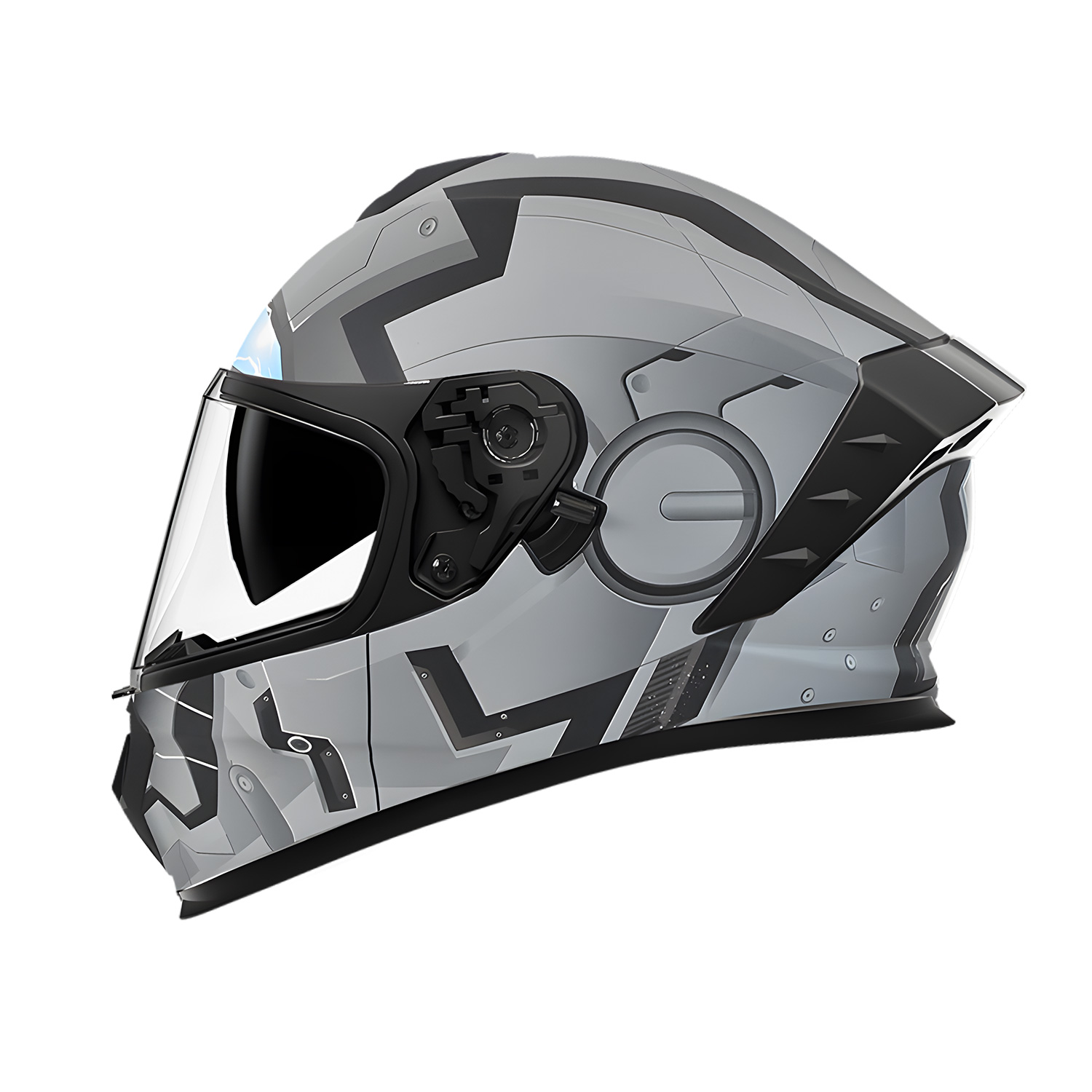
Mountain bike helmets typically offer extended rear coverage and a fixed or adjustable visor. For aggressive trail, enduro, or downhill riding, a full-face helmet adds chin protection and a more secure hold during heavy impacts. These helmets are heavier than cross-country models, but the trade-off is worthwhile when the terrain demands it.
Kids and Family Rides
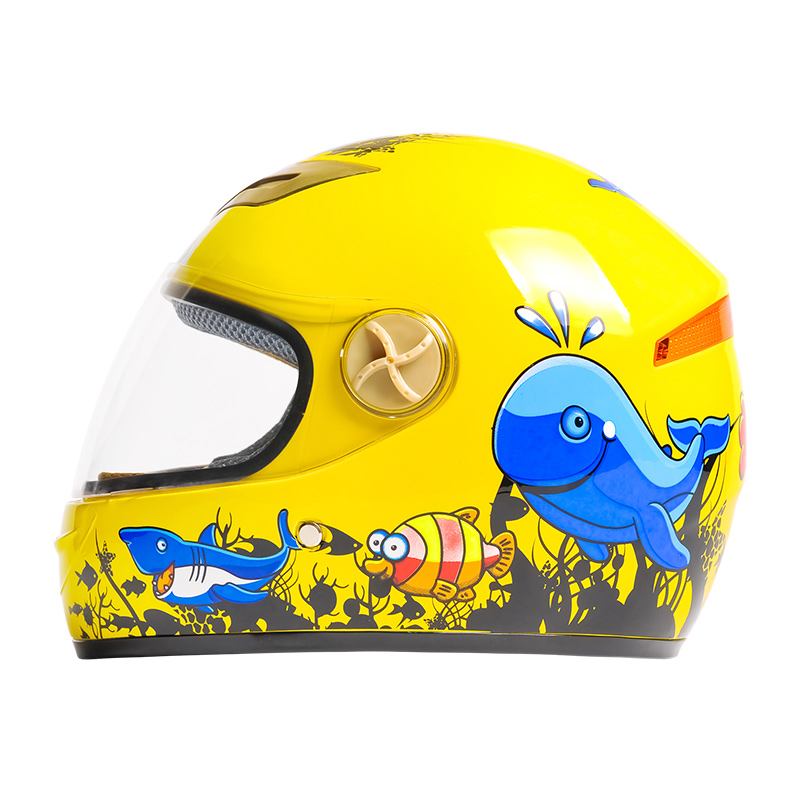
Children need helmets that fit their head size precisely, not an adult helmet that wobbles. Look for lightweight shells, easy-to-adjust straps, and bright colors or playful patterns that make wearing a helmet feel natural. A well-fitting kids helmet protects better and reduces complaints on family rides.
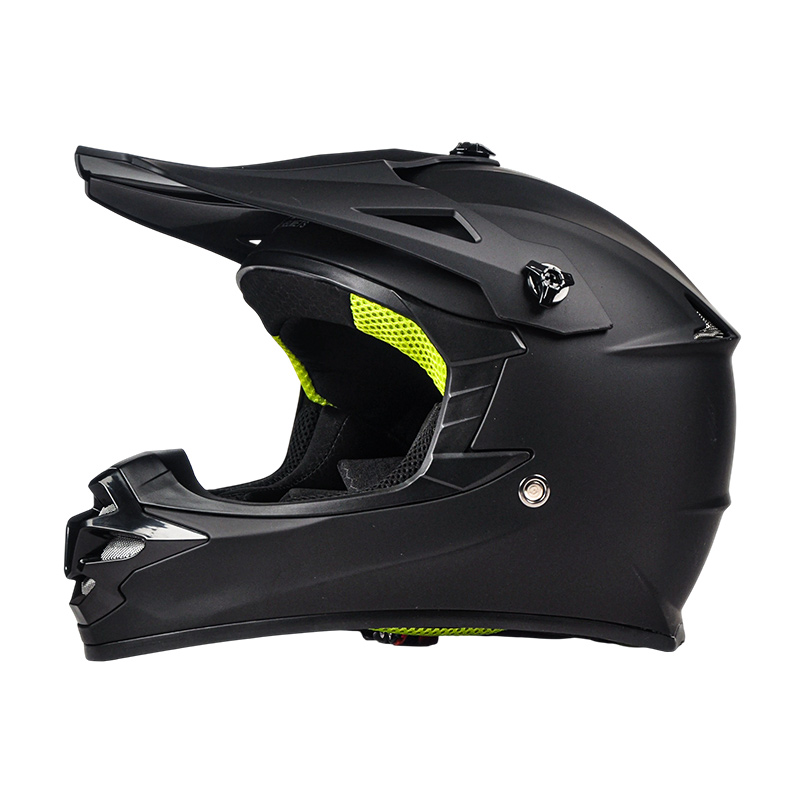 RY001 Kids Mountain Bike Off-road Helmet DOT Motorcycle HelmetRY001 kids' mountain bike off-road helmet has passed the DOT authoritative safety certification and meets the basic safety standards of riding equipment. It strikes a ...View Product →
If you ride both paved roads and light trails, a versatile commuter or all-mountain helmet may be the best single choice. The key is to match the helmet’s coverage, weight, and ventilation to the conditions you actually ride most often.
Measure Your Head and Find the Right Fit
Helmet sizes vary between brands, so never assume you are a medium in every model. Use a soft measuring tape around your head, about one inch above your eyebrows. Measure at the widest point, usually just above the ears. Write down the measurement in centimeters and compare it with each manufacturer’s size chart.
The Three-Point Fit Check
- Position the helmet level on your head, not tilted back. The front edge should sit one to two finger widths above your eyebrows.
- Adjust the side straps so they form a Y shape just below each ear. They should not twist or rub against your skin.
- Tighten the chin strap until you can fit only one finger between the strap and your chin. Then open your mouth wide; the helmet should pull down slightly.
Once the straps are set, shake your head firmly from side to side and front to back. The helmet should stay in place without sliding. If it moves more than a centimeter, try a different size or use the retention system to fine-tune the fit. A helmet that feels snug but not painful is the right starting point.
| Problem | Likely Cause | Solution |
|---|---|---|
| Helmet tilts backward | Front edge too high | Lower the front and readjust straps |
| Side straps rub ears | Y shape too low or too high | Slide the strap junction up or down |
| Helmet slides side to side | Size too large or retention loose | Try a smaller size or tighten dial |
| Pressure points on forehead | Shape mismatch | Try another brand or model |
Understand Safety Certifications
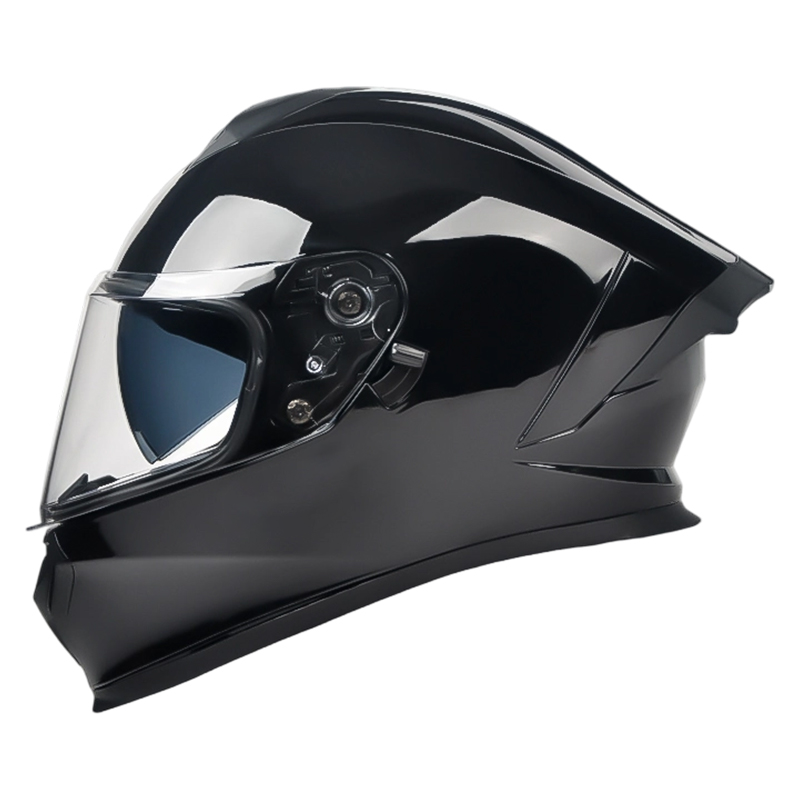
Certification is the clearest signal that a helmet has passed independent impact testing. For bicycle helmets, look for CPSC in the United States, EN 1078 in Europe, or AS/NZS 2063 in Australia and New Zealand. A helmet without a recognized certification should never be used for serious riding. For motorcycle and off-road use, DOT and ECE R22.06 are the key standards, and they impose different test requirements than bicycle standards.
If you are sourcing helmets for a shop, brand, or distribution business, certification also affects market access and liability. Understanding how standards differ by region is essential for procurement planning.
We keep a detailed resource on helmet certification standards for buyers who need to compare requirements across markets. AD Helmets products are tested against DOT, ECE, CCC, and ISO 9001 requirements, so you can choose with confidence.
Materials, Weight, and Ventilation
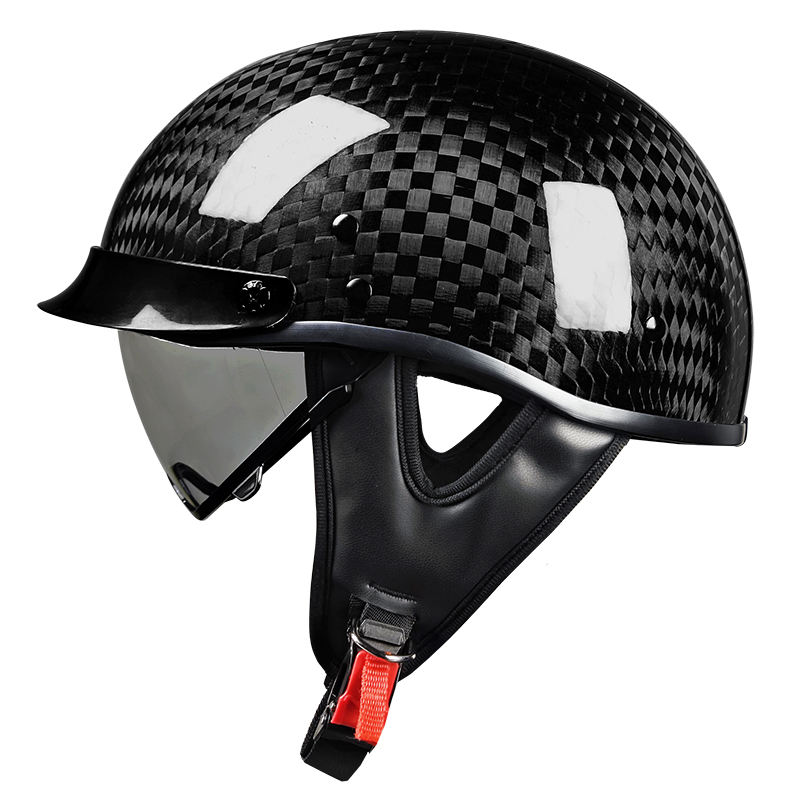
The shell material affects weight, durability, and price. ABS plastic is durable and affordable, making it common for entry-level and commuter helmets. Fiberglass offers a lighter weight and better impact absorption than ABS. Carbon fiber is the lightest option and is often chosen by riders who want to reduce neck strain on long or technical rides. Inside every quality helmet, an EPS foam liner absorbs impact energy by crushing on contact.
Ventilation matters as much as weight for many riders. More vents and deeper internal channels move air across the scalp, but they can reduce coverage and increase noise. A helmet designed for your climate and effort level will keep you cooler and more focused. Balance is key: a lightweight helmet with moderate ventilation often serves better than an extreme design that sacrifices protection or comfort.
Carbon fiber and fiberglass models are especially popular for motocross and mountain bike use, where riders want strength without fatigue. If you ride in hot conditions, look for large exhaust vents at the rear and a brow port that pulls air across the forehead.
Features That Improve Comfort and Visibility
Modern helmets offer features that go beyond basic protection. Double visors combine a clear outer shield with an inner tinted sun visor, letting you adapt to changing light without stopping. LED safety taillights add a visible red light at the back of the helmet, which is useful at night, in tunnels, or during low-light commutes. Some helmets also include pockets for Bluetooth communication systems, so you can take calls or listen to navigation prompts without removing your helmet.
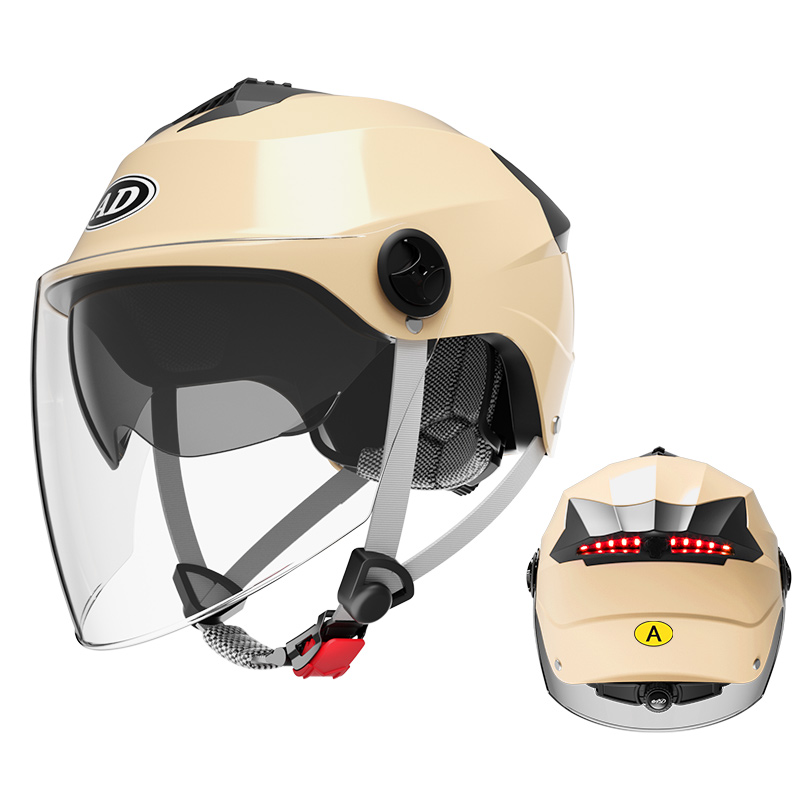 818 LED Safety Taillight Half Face Motorcycle Helmet Double Visors HelmetThe 818 half-face helmet has successfully passed the safety certification and meets the basic safety standards for motorcycle riding equipment. The helmet is equipped ...View Product →
Rotational impact protection systems are another feature to consider. These technologies allow the helmet to slide slightly relative to the head during an angled impact, reducing rotational forces. They are not a replacement for a good fit, but they add a layer of protection in real-world crashes.
At AD Helmets, we produce a complete range of helmets and accessories, including Bluetooth headsets that pair with our shells. You can explore our factory-direct helmet collection to see how features like double visors, LED lights, and lightweight materials come together across different riding categories.
When to Replace Your Bike Helmet
Even the best helmet does not last forever. Replace any helmet after a crash, even if the shell looks intact. EPS foam can compress internally without visible damage, leaving it unable to absorb a second impact. Most manufacturers also recommend replacing a helmet every three to five years, because sweat, heat, and UV exposure gradually degrade materials.
- You crashed and hit your head, regardless of visible damage.
- The shell has cracks, dents, or deep scratches.
- The inner foam is compressed, crumbly, or separated from the shell.
- Straps, buckles, or retention dials are frayed, cracked, or loose.
- The helmet is more than five years old and has seen heavy use.
Clean your helmet with mild soap and water, never harsh solvents. Store it away from direct sunlight and high heat, such as inside a parked car. Proper care extends useful life, but safety always comes first when any doubt exists.
Picking a bike helmet comes down to fit, certification, and features that match your ride. Start with an accurate head measurement, choose a style built for your terrain, verify the safety standards, and replace the helmet when it has done its job. As a manufacturer with more than 20 years in the helmet industry, AD Helmets supports riders, shops, and brands with factory-direct helmets in full-face, flip-up, open-face, half-face, and kids designs. Whether you need a single helmet or a full OEM/ODM program, our team is ready to help you find the right protection for every rider.