

 русский
  Français
  Español
  عربى
عربى  italiano
Road Bike vs Mountain Bike Helmet: What's Different and Why It Matters
Content
Choosing between a road bike helmet and a mountain bike helmet comes down to one practical question: where do you ride, and what is the most likely way you will hit your head? The short answer is that road helmets are optimized for speed, airflow, and light weight, while mountain bike helmets are optimized for coverage, rear-of-head impact protection, and goggle/visor compatibility. These different priorities result in visible shape and ventilation differences. Once you understand those trade-offs, you can confidently pick the right helmet for your riding style instead of relying on looks alone.
Protection and Coverage: Why MTB Helmets Sit Lower
The most noticeable difference is shell coverage. A mountain bike helmet extends noticeably lower at the back of the skull and also covers more of the temporal (side) area. That extra material is there for a reason: off-road crashes often involve falls over the handlebars, where the back of the head strikes roots, rocks, or hard-packed ground. Road crashes, by contrast, more commonly produce impacts on the top or front of the head, so road helmets use a compact, rounded shell that covers those zones without adding posterior bulk. In practice, an MTB-style cut makes the helmet feel deeper and more secure when riding bumpy terrain. Some enduro and trail models add even more coverage around the ears while remaining open-face for visibility and airflow.
| Feature | Road Helmet | Mountain Bike Helmet |
|---|---|---|
| Rear coverage | Higher cut, less rear protection | Lower cut, extended rear protection |
| Side coverage | Minimal | Extended temporal coverage |
| Visor | Usually none or detachable | Usually fixed or adjustable |
| Typical weight | 200-300 g | 300-400 g |
| Intended impact focus | Front/top impact | Rear/side impact and multiple zones |
Ventilation, Weight, and Aerodynamics
Road helmets are built to dissipate heat efficiently at continuous speeds above 25 km/h. They typically have larger front vents, deep internal channels, and rear exhaust vents that work with the rider's forward motion to pull hot air out. They also use lightweight in-mold construction to keep total weight between 200 and 300 grams.
Mountain bike helmets are also well ventilated, but their design has to handle slower speeds, sudden stops, and steep climbs. Many trail helmets have more open venting, though the added shell material and visor push typical weight to 300-400 grams. Aerodynamically, road helmets win: their teardrop profiles and covered rear edges reduce drag; MTB helmets, especially those with visors, catch more wind. At typical off-road speeds of 15-20 km/h, that penalty is irrelevant. If you spend most of your time on pavement, the efficiency gain of a road helmet matters; if you ride technical trails, the extra grams are a fair trade for better coverage.
Visor, Goggles, and Fit: It's Not Just About Looks
The visor is the quickest visual clue. On a mountain bike helmet, a visor blocks sunlight, deflects low branches, and keeps rain out of your eyes. It also gives you a place to mount an action camera. Road helmets omit the visor because it interrupts aerodynamic flow and covers some of the large front vents. Some gravel-style helmets offer a tiny detachable visor as a compromise.
Goggle compatibility is another differentiator. The rear strap of an MTB helmet is designed to grip goggle straps, while road helmets are worn with sunglasses or clear road glasses. Fit-wise, both types use ratchet or dial retention systems, but MTB helmets tend to have slightly thicker inner padding to hold the helmet stable over roots and jumps. When trying on helmets, check whether the rear sits low enough on your skull without pressing into your neck, and whether the straps form a comfortable V around your ears.
Safety Standards and Certifications: What the Labels Actually Mean
All bike helmets sold in major markets must pass a basic test. In the United States, CPSC is the legal baseline; in Europe, EN 1078 is the standard; many countries also accept AS/NZS 2063. Both road and mountain bike helmets are certified under these same standards, which test impact attenuation at around 5 to 6 m/s, strap strength, and field of vision.
For aggressive trail and downhill riders, look for a helmet that also meets ASTM F1952, the downhill mountain biking standard. It tests higher impact velocities and additional impact areas, especially the rear of the helmet. A standard road helmet will not have this rating, so if you are buying a helmet for serious off-road use, check for that label.
For commercial buyers, understanding how helmet certification systems work is essential before placing an order, because the same shell design may not meet every target market. We cover the details in our guide to helmet manufacturer certification and its impact on procurement. It explains the difference between bicycle and motorcycle standards, a point of confusion that we see regularly in our own factory, because a DOT or ECE-R 22.06 motorcycle helmet is not a substitute for a CPSC bike helmet.
How to Choose: Matching the Helmet to Your Riding
Think about the worst crash you expect to have. On a road bike, that will probably be a slide or a low-speed tumble on asphalt, where front and top protection matter. On a mountain bike, it will probably involve going over the bars and hitting the back of your head on an unpredictable surface. That is why rear coverage matters so much off-road. If you ride both disciplines equally, you may need two helmets. If you only want one, choose based on the terrain where you ride most often.
Here is a quick selection guide:
- Ride only on pavement: choose a road helmet.
- Ride singletrack, fire roads, or technical trails: choose an MTB helmet.
- Ride gravel or mixed routes: look for a trail-style helmet with a removable visor.
- Ride a mix of road and trail: keep one of each, or choose an MTB helmet if you crash more on dirt.
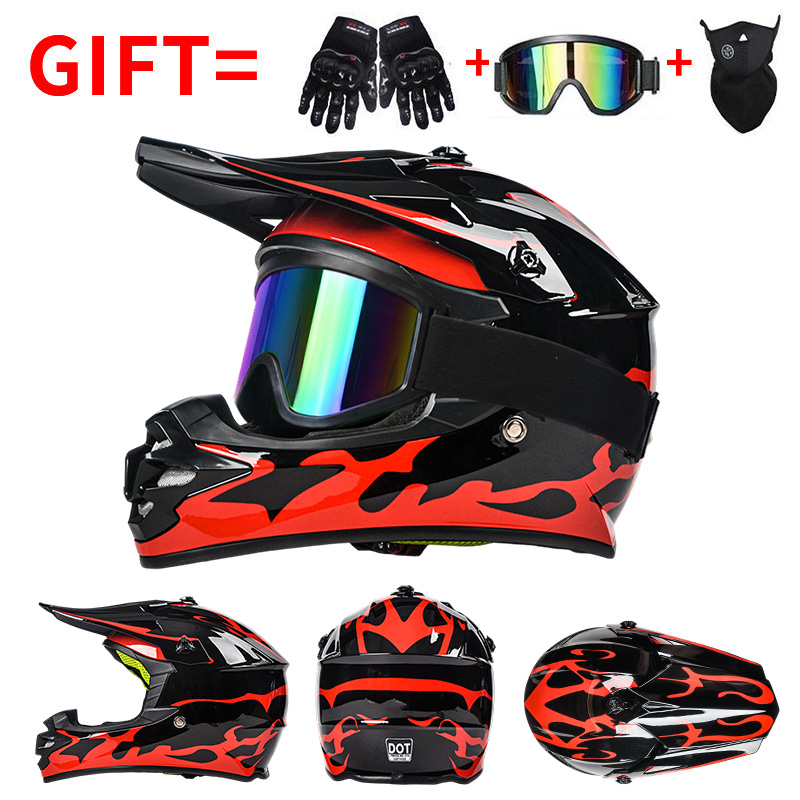
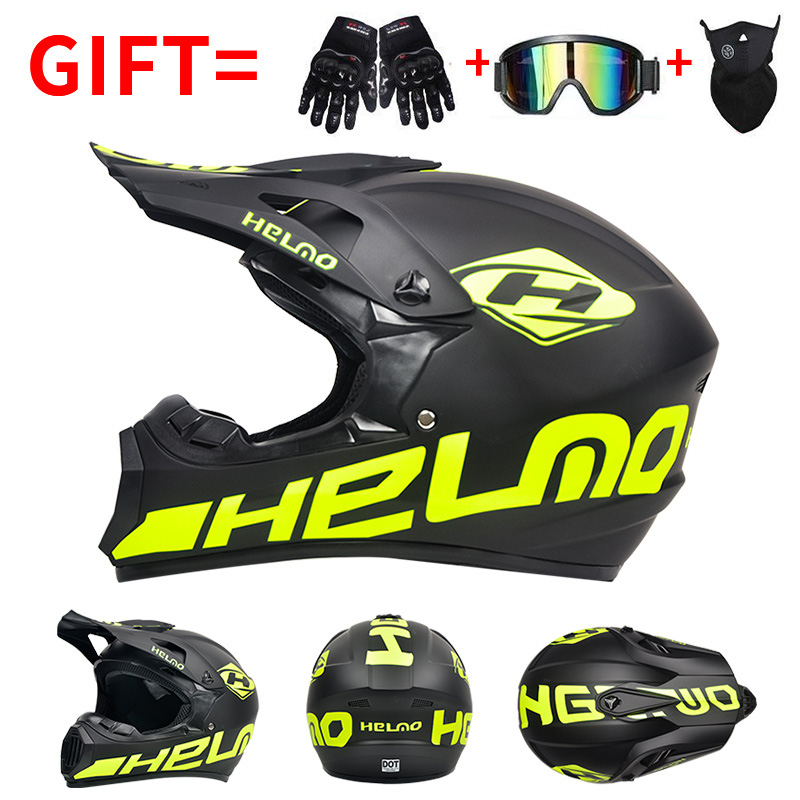
For extreme off-road use that overlaps with motorsports, some riders prefer a crossover helmet that is DOT-certified, such as the 116 mountain bike off-road helmet. This full-face design offers extra jaw protection and is built on the same production line as our motorcycle helmets, which gives buyers confidence in the shell quality.
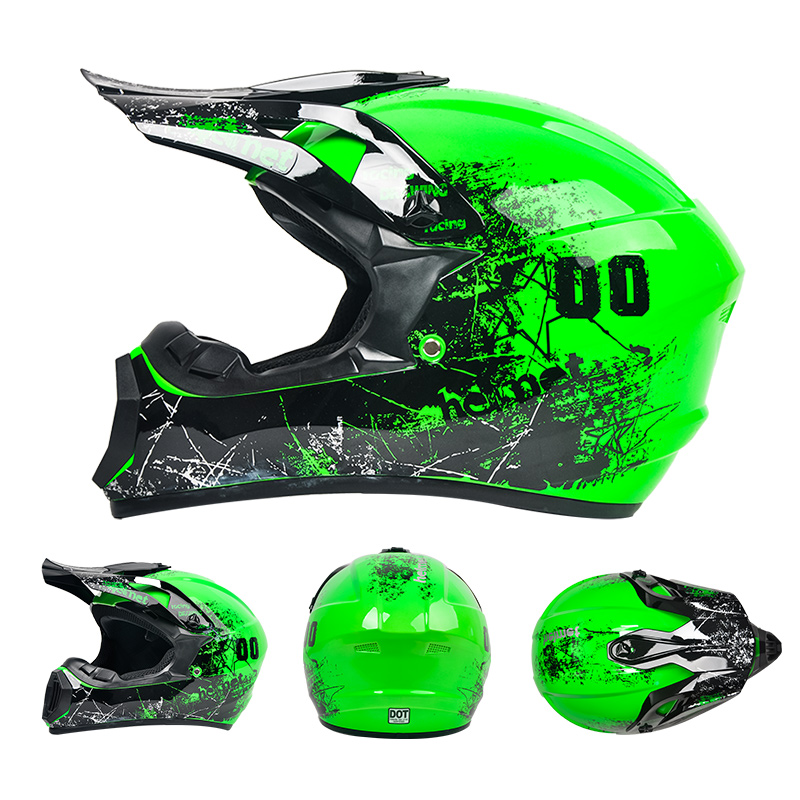 DOT-Certified Full-Face Off-Road Helmet for Mountain RidingThis full-face helmet offers certified impact protection with an ABS shell and EPS liner, suited for demanding mountain trails where extra jaw coverage and durable construction matter.View Product →
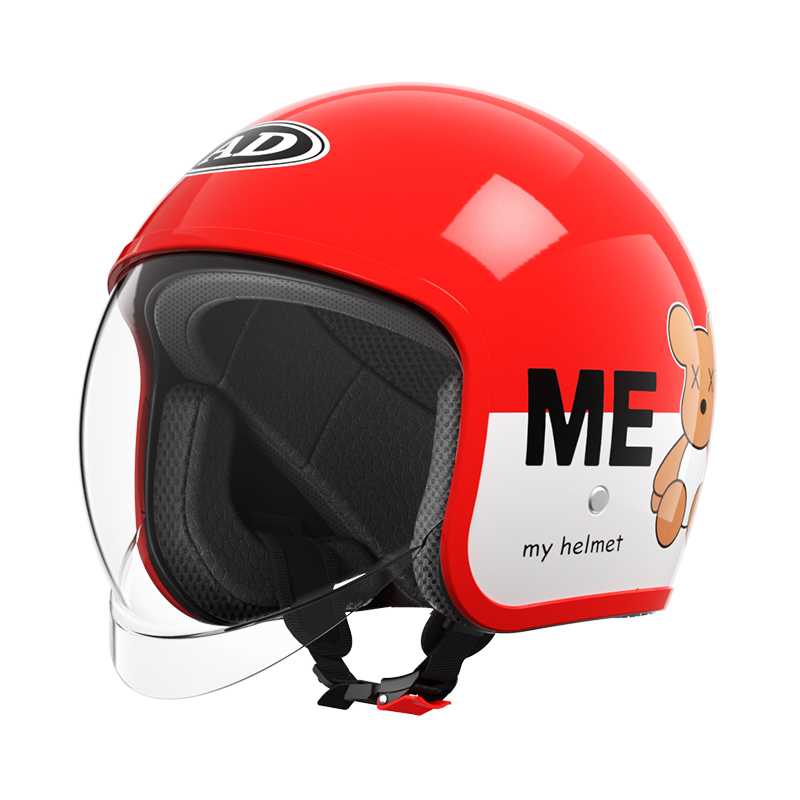
For younger riders who are just starting on dirt, a dedicated kids mountain bike helmet like the ry001 gives small heads proper coverage and the same certification peace of mind. It is a useful option for families who want one product that can handle both bicycle and light motorcycle use.
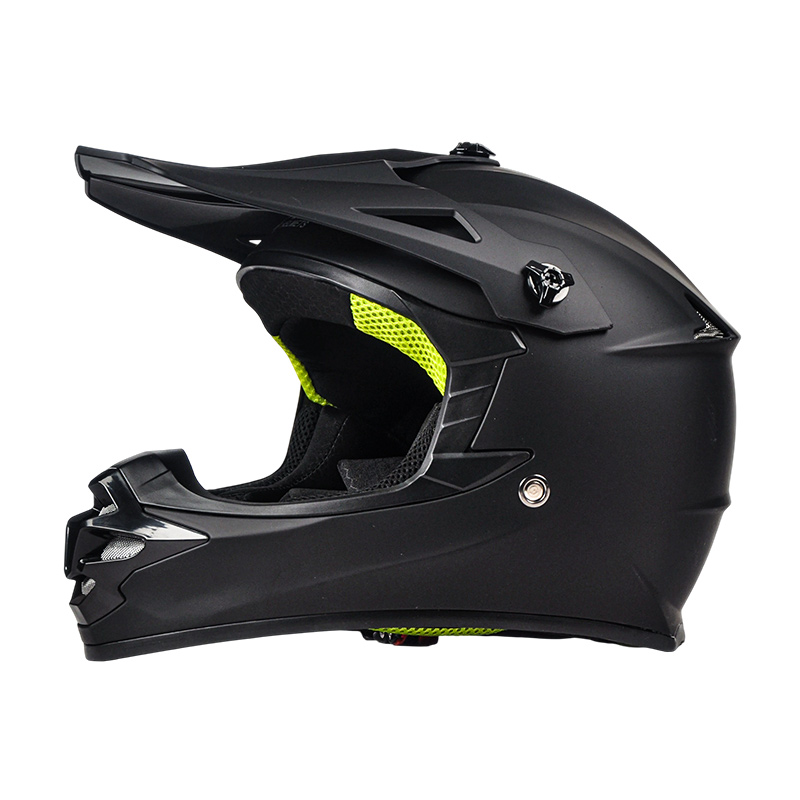 DOT-Approved Kids Full-Face Helmet for Dirt and Light Motorcycle UseBuilt for young riders starting off-road, this helmet delivers certified head protection in smaller sizes, making it a practical choice for families needing one helmet for bikes and light motorbikes.View Product →
Finally, if you are buying helmets for a team, a shop, or a brand, working directly with a manufacturer can help you choose shell materials, visor designs, and certification levels that suit each market. With 20 years in helmet production, we can support OEM and ODM projects from sample to bulk shipping. You can learn more about our helmet manufacturing experience on the company site.
At the end of the day, a helmet is a safety device, not a fashion statement. A road bike helmet and a mountain bike helmet are designed for different crash scenarios, and neither is inherently superior. The best choice is the one that protects the areas most exposed on the rides you actually do. If you choose based on coverage, weight, and certification rather than style, you will be safer and more comfortable for every mile.