

 русский
 Français
 Español
 عربى
 italiano

Are bike helmets dot approved: Applications, Selection Criteria, and Practical Guidance
Content
- 1 The Short Answer: DOT Does Not Approve Helmets
- 2 Bicycle Helmets and Motorcycle Helmets Follow Different Rules
- 3 What FMVSS 218 Actually Requires
- 4 How to Verify a DOT Certified Helmet
- 5 Where the Confusion Comes From
- 6 DOT, Snell, and ECE 22.06 Compared
- 7 What This Means for Buyers and Importers
- 8 Matching the Helmet to the Riding You Actually Do
If you have ever picked up a bicycle helmet and a motorcycle helmet side by side and wondered why only one of them carries a DOT sticker, you are in good company. It is one of the questions we hear most often, from riders who want to stay legal to importers who need to know exactly what they are putting on a shelf. The answer is simpler than the internet usually makes it look, and it starts with a technicality that turns out not to be a technicality at all.
The Short Answer: DOT Does Not Approve Helmets
The US Department of Transportation does not test, approve, or certify helmets. It never has. What actually exists is Federal Motor Vehicle Safety Standard 218, usually written as FMVSS 218, a set of performance requirements that a manufacturer must design and build to. The manufacturer then certifies, on its own legal responsibility, that the helmet meets that standard. That is why the accurate term is "DOT certified" or "DOT compliant" rather than "DOT approved."
This distinction matters for the question itself. A bicycle helmet is not covered by FMVSS 218 at all, so a bicycle helmet can never be a "DOT approved bike helmet." Bicycle helmets sold in the United States have to meet a separate rule, CPSC 16 CFR Part 1203, enforced by the Consumer Product Safety Commission. Two different standards, two different kinds of protection, and two very different sets of test criteria.
Bicycle Helmets and Motorcycle Helmets Follow Different Rules
Both products are called helmets. Both are designed to protect a head. But they are engineered around very different impact energies. A bicycle helmet is built for a fall from a bicycle at moderate speed onto a relatively forgiving surface. A motorcycle helmet has to absorb a much harder hit at highway speed, and in many test protocols it has to survive a second impact on the same spot.
| Feature | Bicycle helmet (CPSC) | Motorcycle helmet (FMVSS 218) |
|---|---|---|
| US standard | CPSC 16 CFR Part 1203 | FMVSS 218 |
| Design intent | Single lower-energy impact | High-energy impact, two hits per test site |
| Typical weight | 200 to 350 grams | 1200 to 1800 grams |
| Intended vehicle | Bicycles and e-bikes | Motorcycles and mopeds |
| Other common standards | EN 1078, AS/NZS 2063 | ECE 22.06, CCC, JIS |
What FMVSS 218 Actually Requires
The standard is not a single test. It is a package of requirements, and a helmet has to satisfy every one of them before it can legally be sold as motorcycle headgear in the United States.
- Impact attenuation: the helmet is dropped onto flat and hemispherical anvils, with two impacts applied at each test site. Larger shell sizes are dropped from greater heights because they carry more mass.
- Penetration resistance: a pointed striker is dropped onto the shell to confirm it cannot punch through and reach the head.
- Retention system: the chin strap and buckle assembly is loaded to verify the helmet stays on the head during a crash instead of rolling away.
- Peripheral vision: the field of view must meet a minimum requirement, so the rider can still see traffic approaching from the side.
- Labeling: every helmet must carry permanent markings that identify the standard it meets.
Notice what is missing from that list: a government approval step. NHTSA does run random compliance testing on helmets already on the market and can force a recall if a helmet fails, but the certification itself comes from the builder, not from Washington.
How to Verify a DOT Certified Helmet
Because certification is self-declared, verification is your job, whether you are a rider or a purchasing manager. Fortunately the label tells you most of what you need to know.
- Find the label inside the helmet. It should be permanently attached, sewn or bonded into the comfort liner rather than stuck on as a peel-off sticker.
- Read the contents. A legitimate label lists the DOT symbol, the manufacturer or brand name, the model designation, the size, the month and year of manufacture, and a reference to FMVSS 218.
- Check the physical build. A genuine motorcycle helmet has a substantial shell, a thick energy-absorbing liner, a sturdy chin strap, and real weight behind it. A 250 gram shell with a DOT sticker on it is not a motorcycle helmet.
- Ask the seller for documentation. Reputable suppliers can provide test reports, certification files, or at minimum the exact model and production date tied to the label.
- Buy from a traceable source. Counterfeit DOT markings exist, and they almost always appear on helmets with no manufacturer name and no date code.
Where the Confusion Comes From
Part of the reason the question keeps coming up is that product categories have blurred. Kids' helmets are sold for both bicycles and small motorcycles. Dual-sport and motocross helmets look similar to downhill mountain bike helmets. E-bike riders in some regions are legally treated as moped riders, which changes what they should be wearing.
There is also a naming problem. Several offroad helmet models are genuinely built to the motorcycle standard while being marketed toward mountain bike and offroad use. Those helmets carry the DOT certification, but they are motorcycle helmets in construction, weight, and protection level. If you ride a bicycle, that extra mass and coverage is usually not what you want on your head for a long climb.
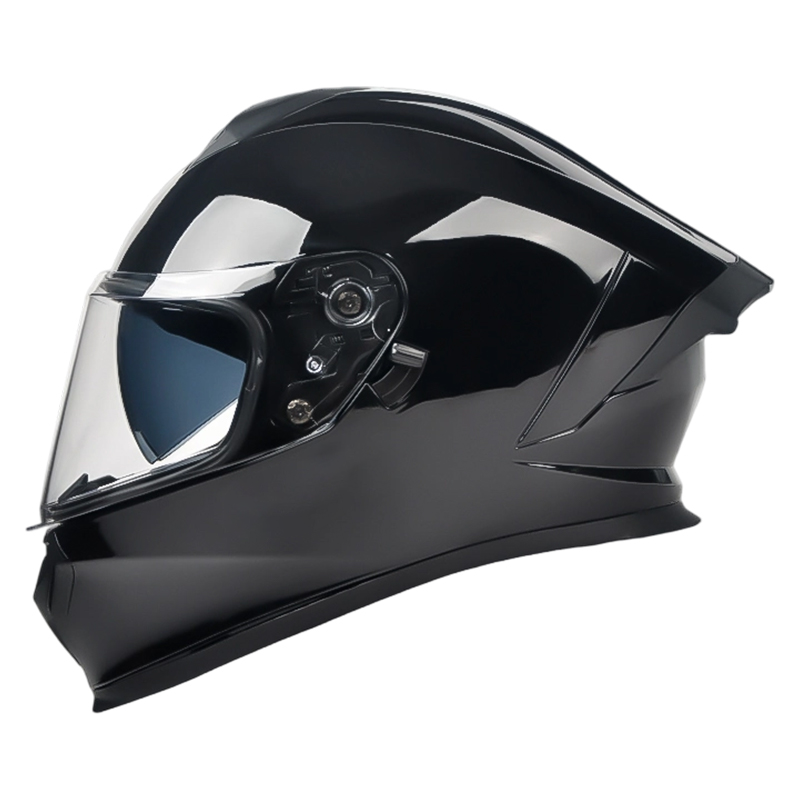
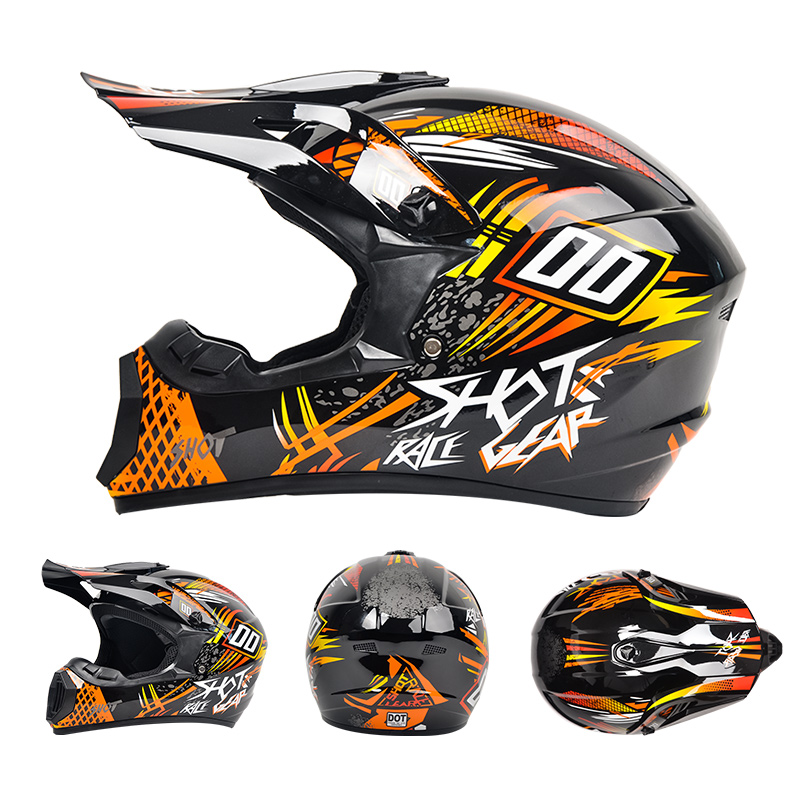 AD 116 Full-Face DOT Off-Road HelmetMarketed for mountain off-road use, this full-face AD helmet carries DOT certification and motorcycle-style construction; bicycle riders should note its 950g weight.View Product →
DOT, Snell, and ECE 22.06 Compared
If you are buying across borders, you will run into other standards. None of them replaces the legal requirement in your market, but they are useful signals of how a helmet was designed and tested.
| Standard | Who sets it | Certification model | Practical note |
|---|---|---|---|
| FMVSS 218 (DOT) | US federal government | Self-certification by the manufacturer | Legally required for road use in the US |
| Snell | Private nonprofit foundation | Third-party testing of submitted samples | Voluntary, often stricter impact criteria |
| ECE 22.06 | United Nations regulation | Type approval through an authorized lab | Required across most of Europe and many other markets |
A helmet can carry more than one of these. In practice, a shell designed for ECE 22.06 can often be adapted to meet FMVSS 218 as well, but the two are not interchangeable, and one does not automatically satisfy the other.
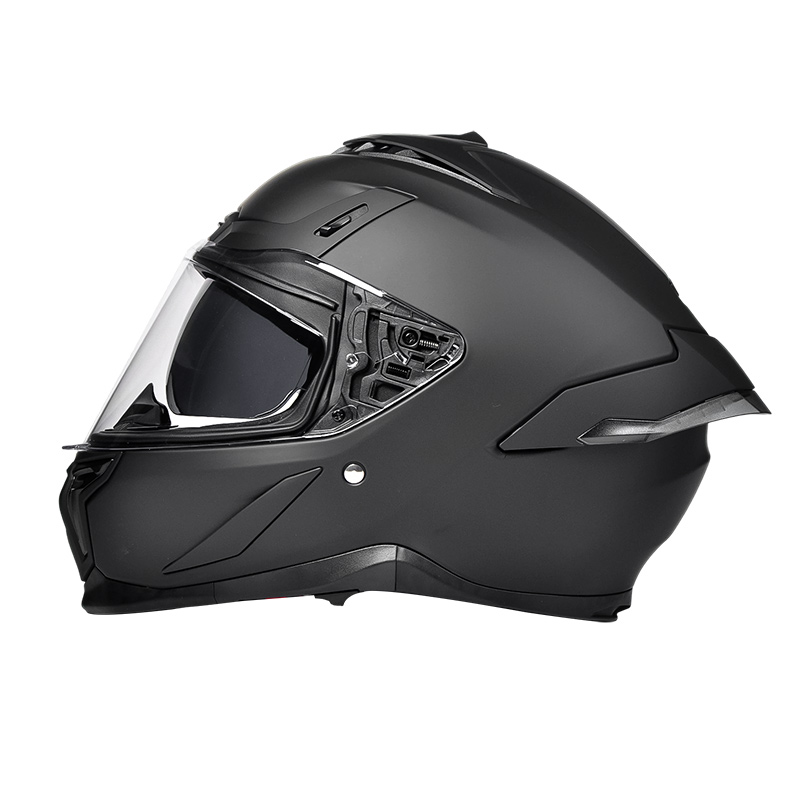
 AD 176 DOT Full-Face Motorcycle HelmetA full-face motorcycle helmet for commuting and travel, offered in M–XL with ABS shell, ventilation, and DOT/3C certification claims.View Product →
What This Means for Buyers and Importers
For anyone sourcing helmets rather than simply wearing one, the practical takeaway is that "DOT approved" is a phrase to avoid in your own product copy. It is inaccurate, and US regulators have been known to take an interest in marketing claims that overstate what a certification means. Say "DOT certified" or "meets FMVSS 218," and keep the test documentation on file.
The second takeaway is category discipline. A helmet built to CPSC for bicycles should never be described in a way that suggests it is legal for motorcycle use, and a motorcycle helmet should not be marketed as a lightweight cycling product. Getting that boundary right protects your customers and your business, and it is a topic we cover in more detail in our notes on how certification choices affect procurement.
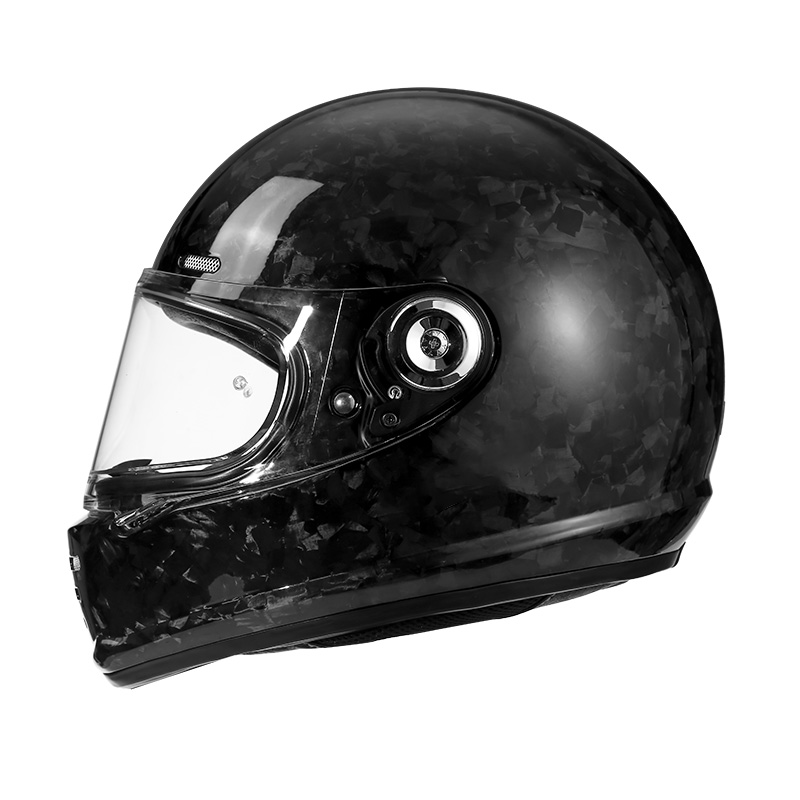
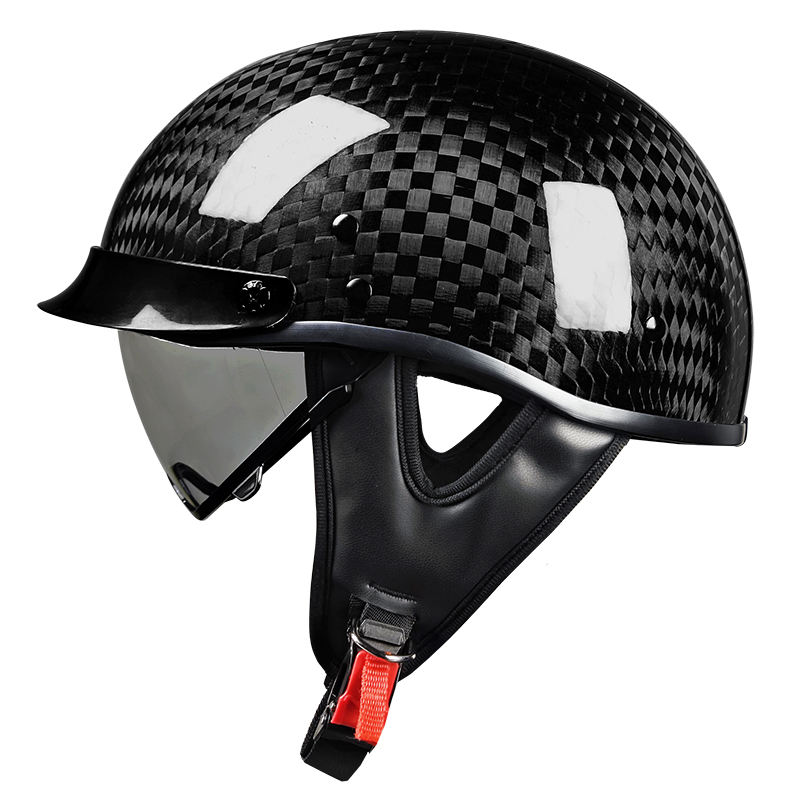
This is the environment we work in every day at AD Helmets, where our full-face, flip-up, open-face, and half-face models are built and labelled for the standards their destination markets require, including FMVSS 218 and ECE 22.06.
Matching the Helmet to the Riding You Actually Do
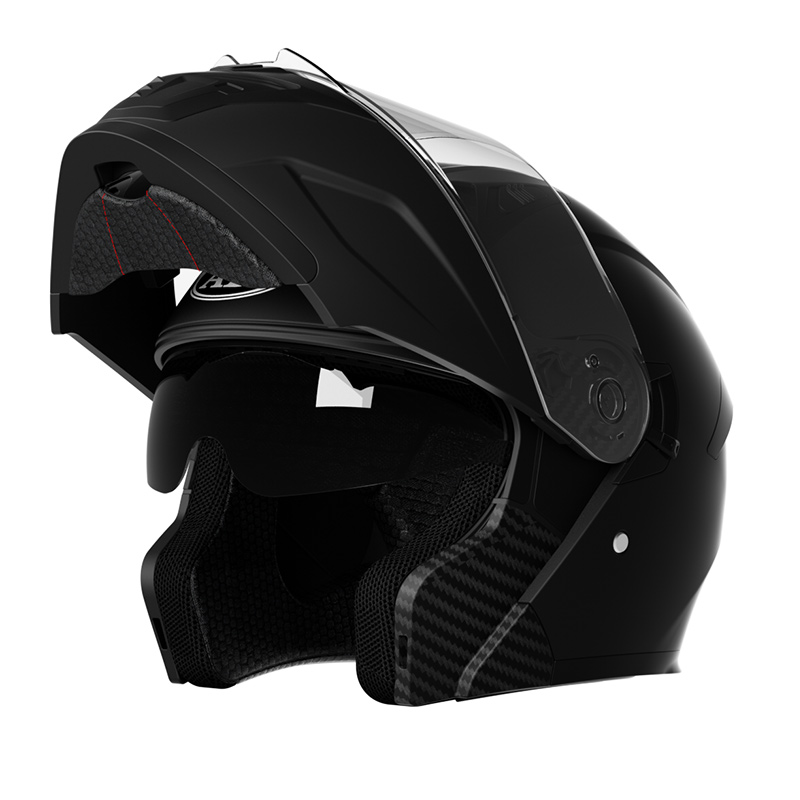
Once the standards question is settled, the remaining decision is simply about fit and use. A commuter who spends an hour a day on a highway usually wants a full-face shell with a quiet, sealed fit. A rider who stops frequently for photos or fuel tends to prefer a flip-up, where the chin bar lifts out of the way without removing the helmet. Warmer climates and slower city speeds push many riders toward an open-face or half-face design, which trades some coverage for airflow and visibility.
Whichever shape you choose, the certification is what makes it a real piece of safety equipment rather than a costume. Look for the permanent label, check the date of manufacture, and replace the helmet after a significant impact or once the liner and straps begin to degrade.
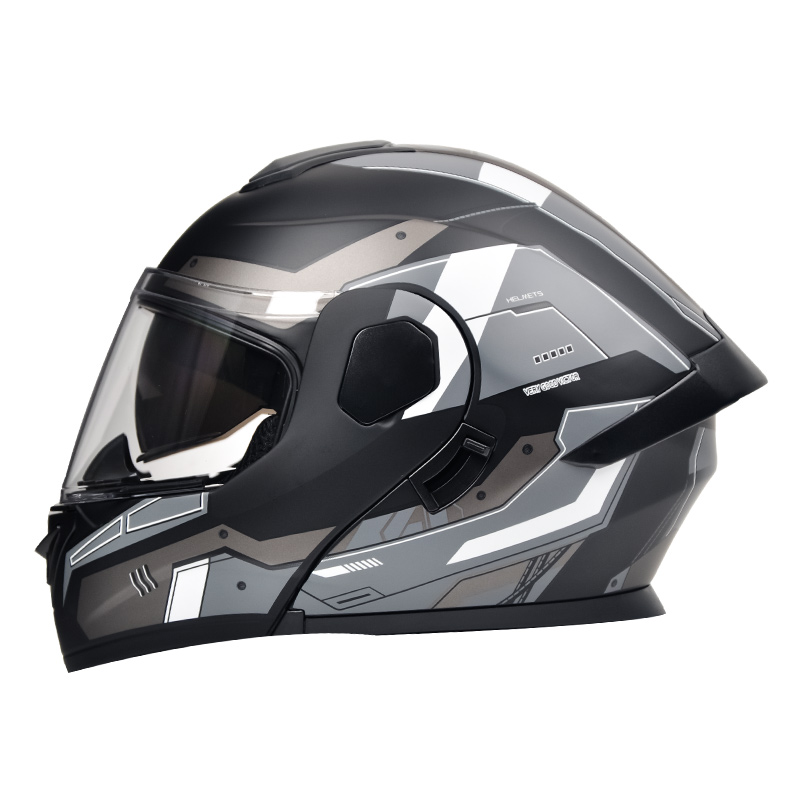
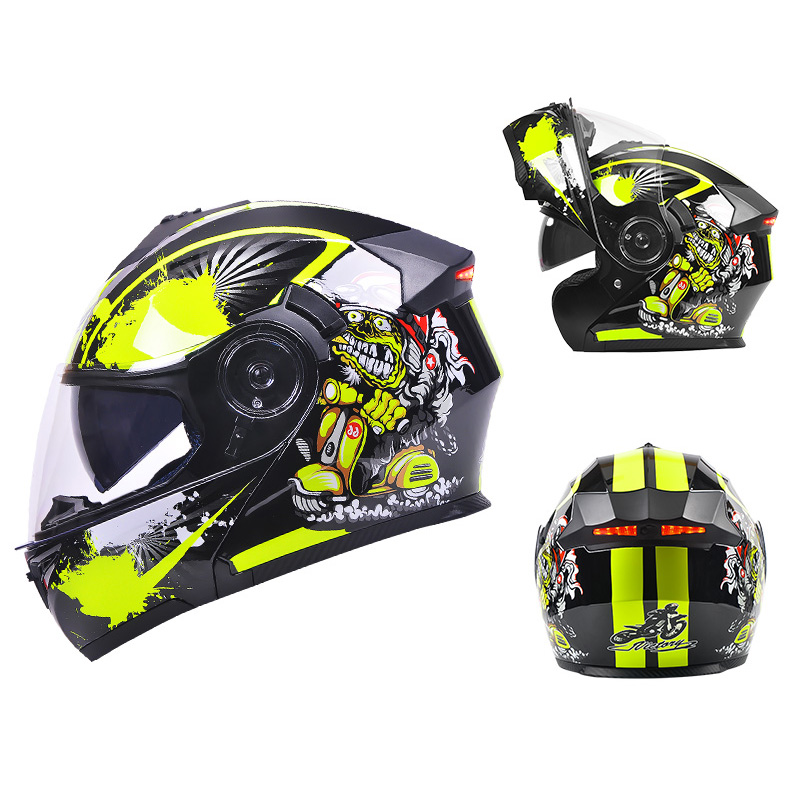 AD 108 LED Flip-Up DOT Motorcycle HelmetA modular flip-up motorcycle helmet with LED taillights and DOT certification, suited to commuting and long-distance travel; verify the permanent label and condition.View Product →
So, are bike helmets DOT approved? Bicycle helmets are not, and they were never meant to be, because they answer to a different rulebook. Motorcycle helmets can be DOT certified, but the certification comes from the manufacturer's promise and testing, not from a government stamp of approval. Understanding that difference takes about five minutes, and it will make you a better rider, a smarter shopper, and a far more credible seller of helmets.