

 русский
  Français
  Español
  عربى
عربى  italiano
What Is an Open Face Helmet? Design, Safety & Buying Data
Content
- 1 Core Design Principles Behind Certified Coverage
- 2 Open Face vs. Full Face vs. Modular: Coverage and Cost Comparison
- 3 The Hidden Metric: Retention Failure Rate by Strap Anchor Position
- 4 Global Application Distribution for Open Face Motorcycle Helmets
- 5 Selection Guide: Matching Coverage to Regional Market Demand
- 6 Maintenance and Compliance Notes for Open Face Models
- 7 Frequently Asked Questions
What Is an Open Face Helmet? A Technical and Sourcing Breakdown for Buyers
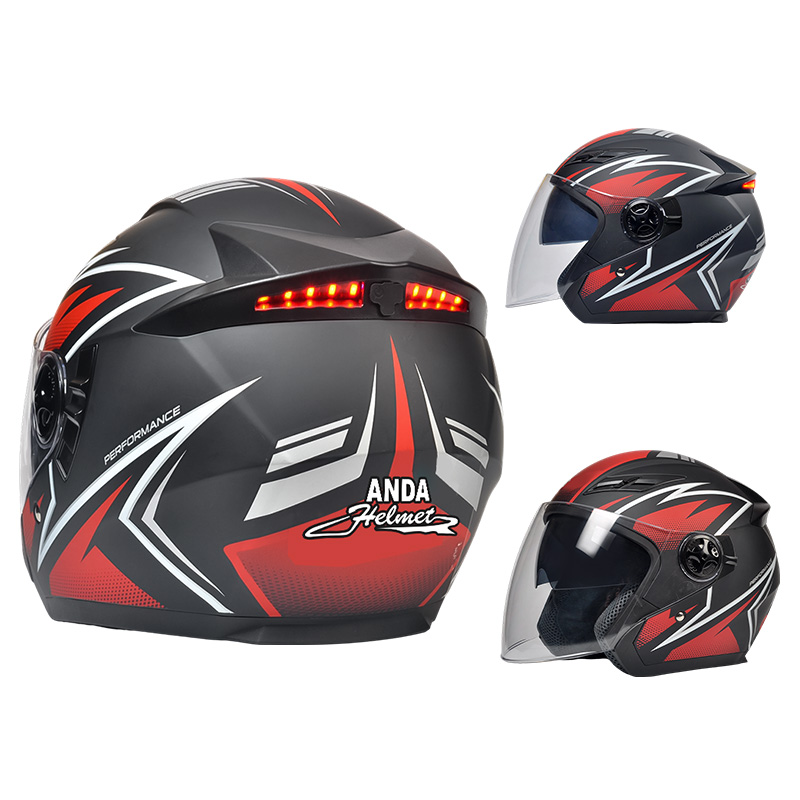
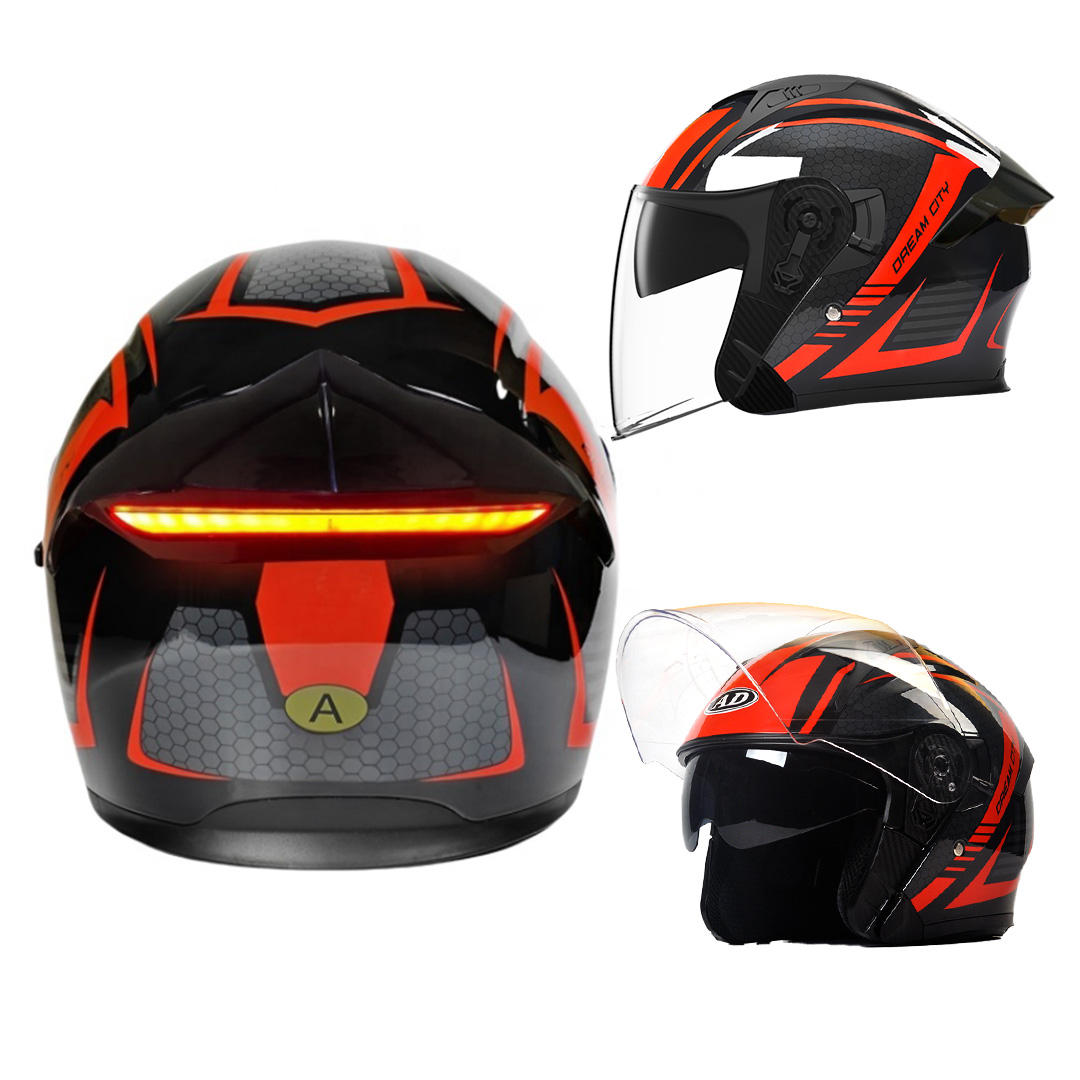
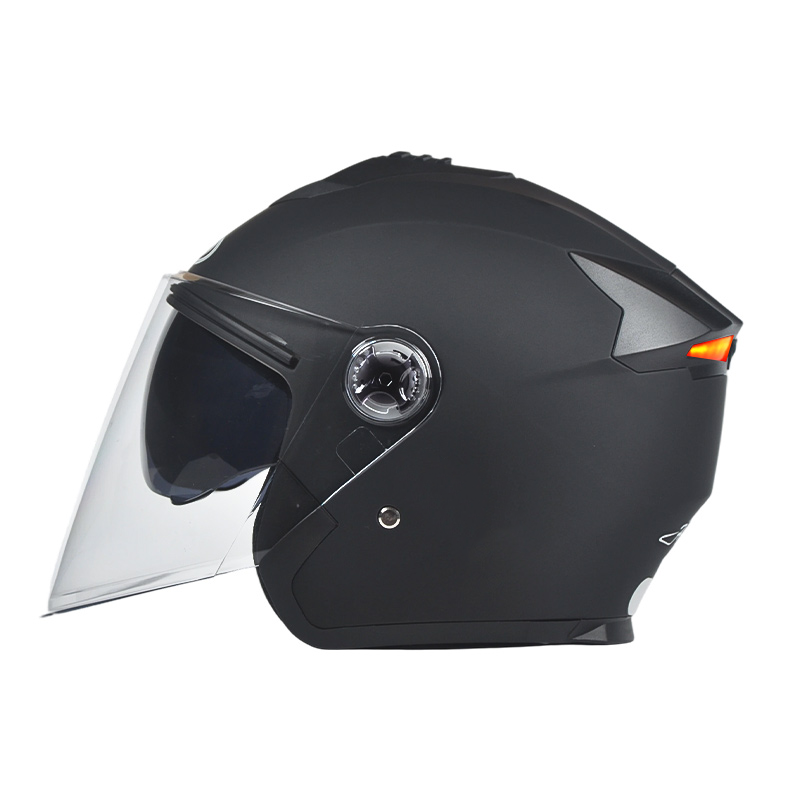
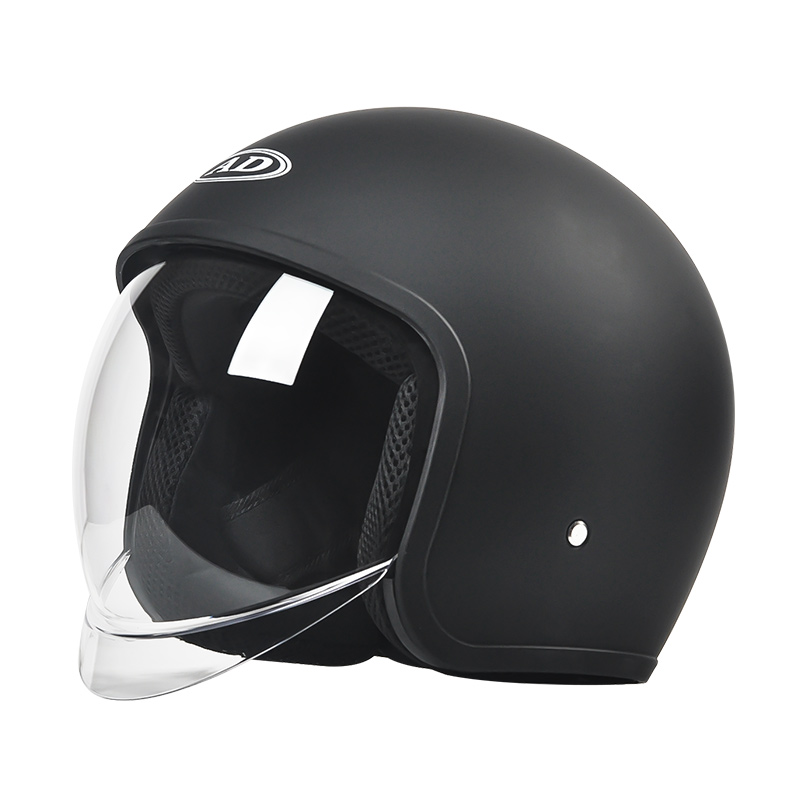
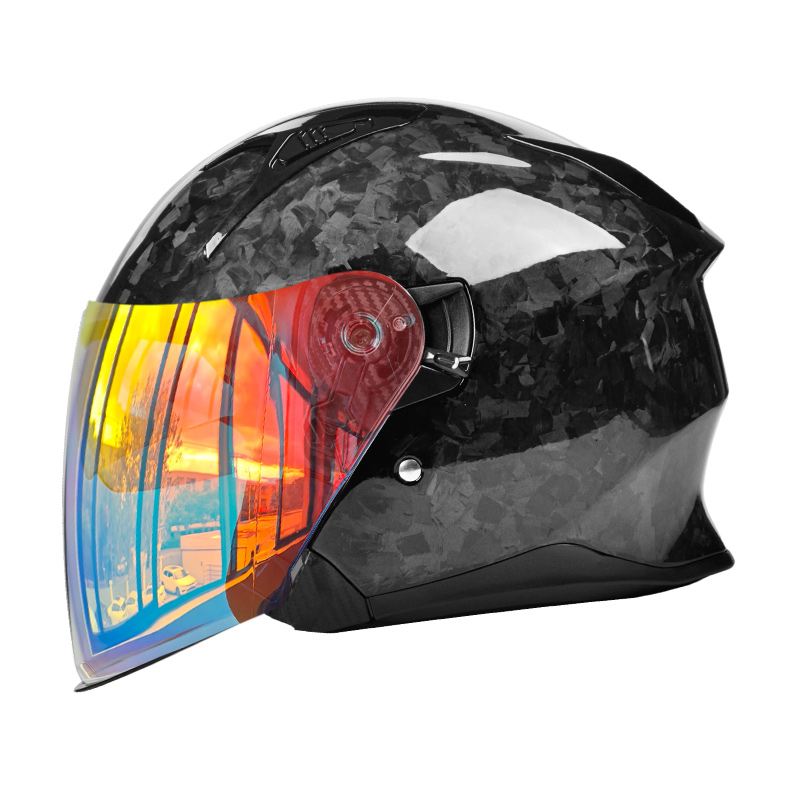
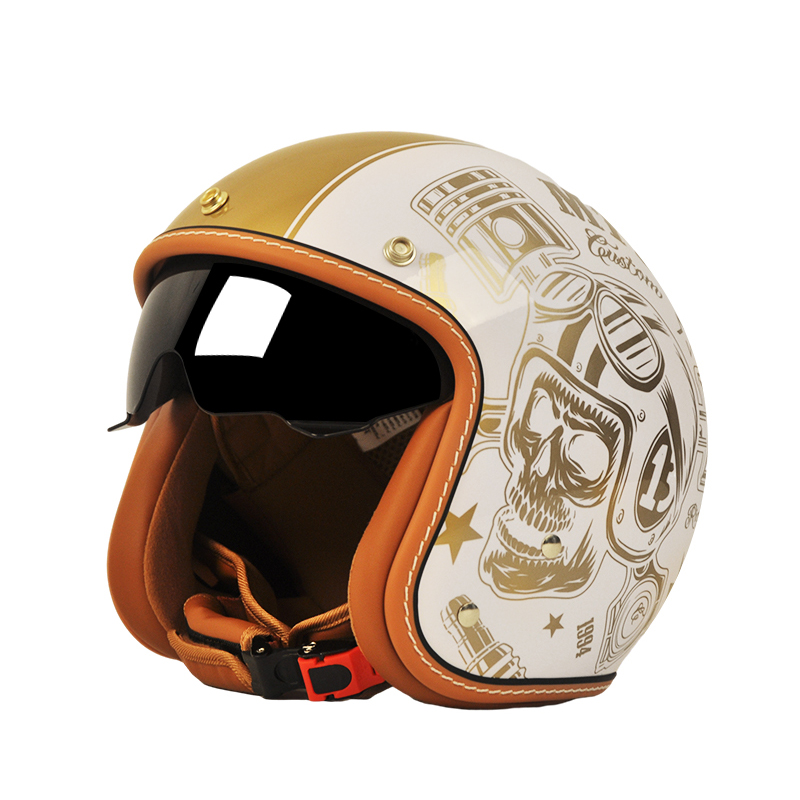
An open face helmet is a motorcycle helmet that covers the top, sides, and rear of the skull down to a defined line above the ears, while leaving the face and chin fully exposed — but the real question for a B2B buyer isn't the basic definition, it's how coverage boundaries, retention hardware, and shield systems affect certification, fit, and return rates once a container of units lands with your distribution partners. This analysis breaks down what separates a certified open face design from a non-compliant one, using the same testing and sourcing benchmarks procurement teams should be applying during supplier evaluation.
Core Conclusion
A certified open face helmet is defined less by "how much face is exposed" and more by two data points buyers should always request: minimum coverage line relative to ear position, and chin strap retention load rating — since without a chin bar to help resist rotation, retention hardware alone carries proportionally more of the protective function.
Core Design Principles Behind Certified Coverage
Understanding what makes an open face motorcycle helmet certifiable — rather than just styled to look like one — comes down to a small set of engineering variables.
Coverage Boundary
DOT standards specify a minimum coverage zone across the top, sides, and rear of the skull down to a defined line above the ears — falling short disqualifies certification regardless of impact performance.
Retention System Load
Chin strap and buckle hardware are tested to the same 300 lb load standard as full-face helmets, since the strap alone resists rotation with no chin bar to help.
Strap Angle at Jaw
A strap positioned closer to the base of the jaw resists roll-off more effectively than one sitting higher, directly affecting rotational stability during impact.
Shield Mount Integrity
Optional face shields need mounts rigid enough to resist wind-lift at speed, which is a common comfort and safety failure point on lower-cost designs.
Open Face vs. Full Face vs. Modular: Coverage and Cost Comparison
Buyers evaluating an open face motorcycle helmet line often want to know how it stacks up against adjacent categories on the metrics that actually affect sourcing decisions.
The Hidden Metric: Retention Failure Rate by Strap Anchor Position
Because an open face helmet has no chin bar, strap anchor position is a bigger determinant of real-world roll-off resistance than most spec sheets suggest. The chart below reflects relative retention effectiveness by anchor placement.
Forward Anchor, High
Mid Anchor, Ear Line
Rearward Anchor, Angled
Illustrative relative retention effectiveness index by strap anchor geometry
Global Application Distribution for Open Face Motorcycle Helmets
Demand concentration for this category varies more by climate and riding culture than any other helmet type, which matters directly for regional order allocation.
Urban Scooter / Commuter — 44%
Cruiser / Classic Style Riding — 24%
Tropical / Warm-Climate Touring — 20%
Fashion / Lifestyle Riding — 12%
Selection Guide: Matching Coverage to Regional Market Demand
A structured evaluation process helps buyers avoid over- or under-ordering a category that performs very differently across climate zones.
Assess Climate Fit
Confirm your target market's dominant riding conditions — hot, humid urban climates favor open face adoption far more than temperate or highway-heavy regions.
Verify Coverage Line
Request documentation showing the shell's coverage line relative to ear position meets DOT minimums before sampling.
Test Shield Compatibility
Evaluate shield mount rigidity at highway speed if the market expects optional face protection accessories.
Confirm Regional Order Ratio
Allocate order volume based on climate distribution data rather than treating open face as a flat percentage across every market.
Shanghai Weijue Industry Co.,Ltd applies this exact evaluation process across its export network spanning North America, South America, the Middle East, Southeast Asia, and Africa, backed by 20 years of dedicated helmet manufacturing and a 10,000+ square meter production base.
Maintenance and Compliance Notes for Open Face Models
- Confirm DOT (FMVSS 218) coverage-line compliance per shell design, not just per overall product line, since minor trim variations can shift the boundary
- Request retention system load test data specific to the strap and buckle hardware used, since this component carries more protective weight than on full-face models
- Verify ISO 9001 quality management certification at the factory producing the shells, not just the parent company
- Advise end-market retailers to replace the helmet after any impact or after roughly 5 years from manufacture, regardless of visible shell condition
- Specify UV exposure tolerance for shell coating in tropical export contracts, since prolonged sun exposure can degrade shell finish faster on open designs with more exposed surface area
Frequently Asked Questions
What is an open face helmet, technically speaking?
It's a certified motorcycle helmet covering the top, sides, and rear of the skull down to a defined minimum line above the ears, with the face and chin left uncovered, distinguishing it from full face or modular designs.
Is an open face helmet as safe as a full face helmet?
It meets the same core impact, penetration, and retention standards for the areas it covers, but offers no protection to the chin and face, which is why retention system quality matters proportionally more on this category.
Why does strap anchor position matter so much on an open face design?
With no chin bar to resist rotation, the strap and its anchor geometry are the primary defense against roll-off during impact, so anchor placement close to the jawline has a measurable effect on retention performance.
Can a face shield be added to an open face motorcycle helmet?
Yes, most designs support snap-on or pivot-and-lock shield systems, though mount rigidity should be evaluated for wind-lift resistance at higher speeds before sourcing at volume.
What markets show the strongest demand for this category?
Urban commuter and scooter markets in warm climates show the highest concentration of demand, followed by cruiser-style riding segments where the open design fits the aesthetic and riding posture.
How do I verify a supplier's coverage line actually meets DOT minimums?
Request documentation showing the measured coverage boundary relative to ear position on the actual shell, not just a general certification claim, since minor styling trims can shift a shell below the compliant line.
Does ear padding thickness affect anything besides comfort?
Yes — thicker ear padding reduces wind noise at speed even without adding shell coverage, which is a detail worth checking when comparing models built for different climate markets.
When should this helmet type be replaced?
Roughly five years from the manufacture date, or immediately after any impact, since internal EPS foam compresses permanently on first significant impact regardless of visible shell damage.
Sourcing an Open Face Helmet Line for Your Market?
Now that the coverage, retention, and regional demand data are clear, Shanghai Weijue Industry Co.,Ltd's 20 years of DOT-certified manufacturing and export experience across five global regions can help build a supplier relationship backed by exactly this level of technical documentation.