


 русский
  Français
  Español
  عربى
عربى  italiano
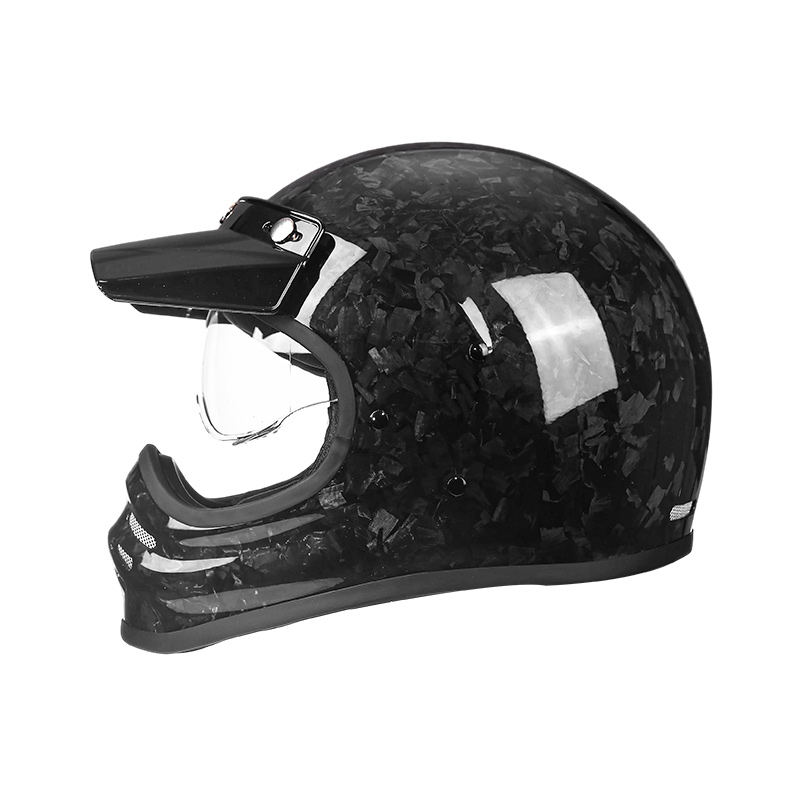
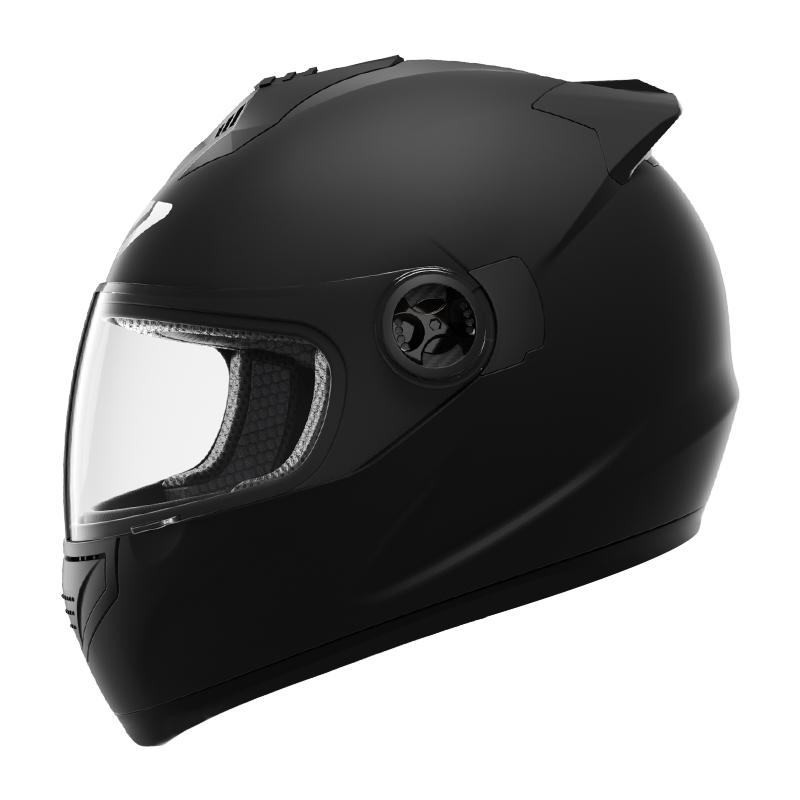
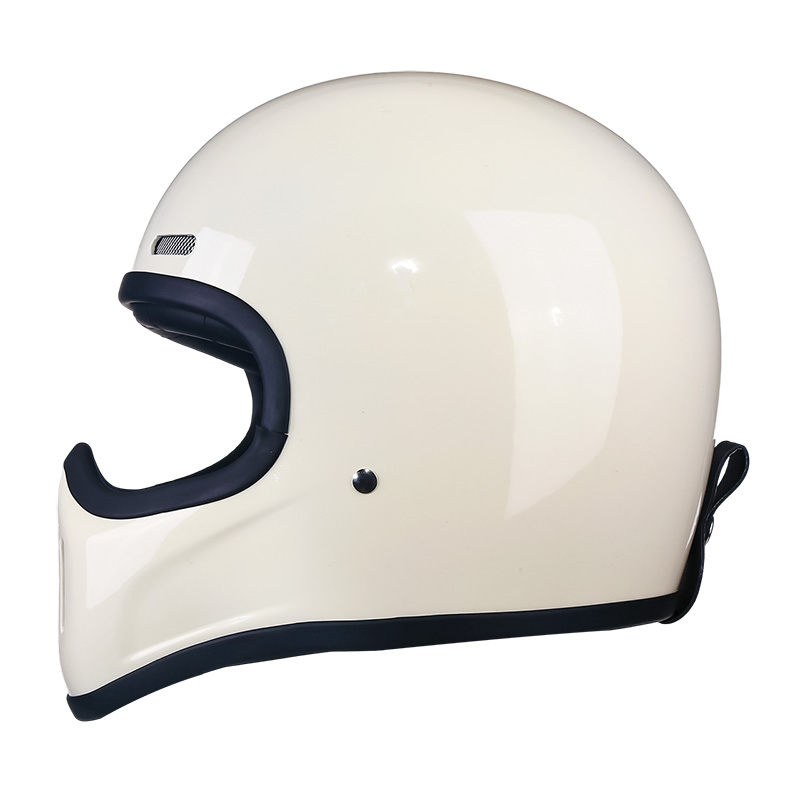
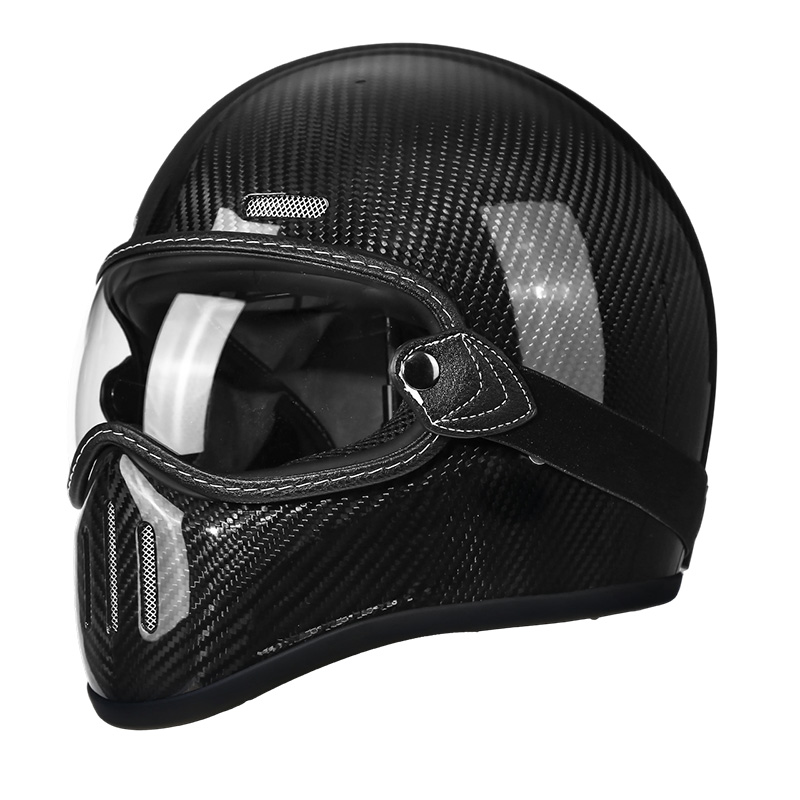
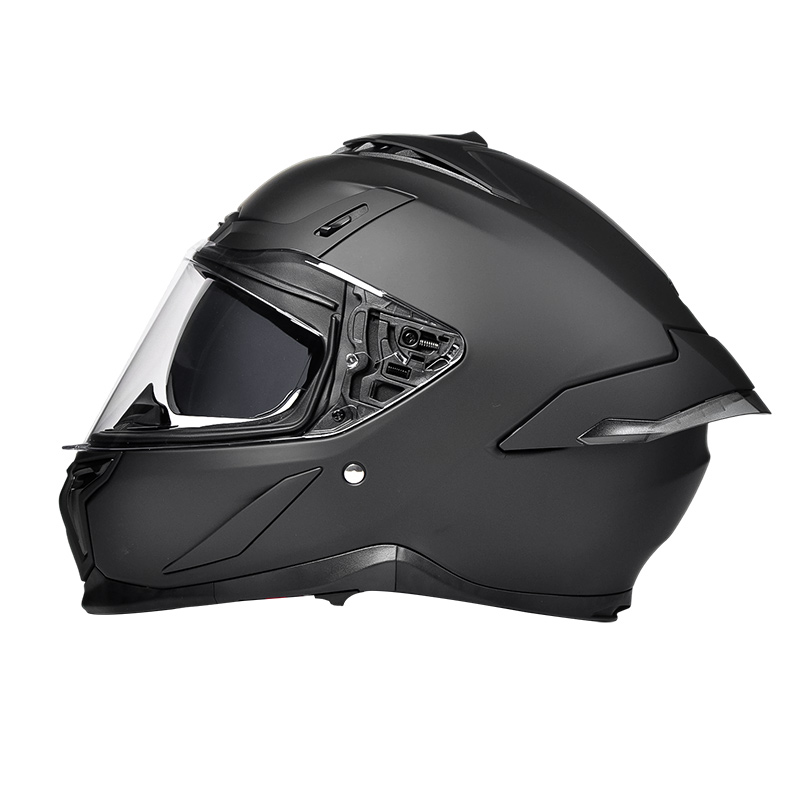






Chin Bar Geometry and Why It Changes Crash Outcomes
Shanghai Weijue Industry Co.,Ltd designs chin bar geometry around a specific engineering trade-off: the closer the chin bar sits to the rider's jaw, the better it protects against direct frontal impact, but the tighter it sits, the more it can restrict airflow and jaw movement during long rides. On a properly engineered Full Face Motorcycle Helmet, the chin bar is reinforced with an internal EPS structure that's often overlooked in spec sheets — this internal chin bar padding absorbs a meaningful share of frontal crash energy before it ever reaches the outer shell, since roughly half of all motorcycle helmet impacts involve the chin and lower face region according to long-standing crash reconstruction studies.
This is also why chin bar rigidity testing matters separately from the main shell impact test: a chin bar that flexes too much under load can transmit force directly to the jaw even if the outer shell itself passes standard impact criteria.
- Reinforced EPS lining inside the chin bar, separate from the main crown padding
- Chin bar rigidity tested independently from crown impact zones
- Ventilation cutouts positioned to avoid weakening the reinforced impact zone
Visor Seal Design and Fog Prevention in Cold Climates
A Full Face Helmet's biggest comfort complaint in cold or humid markets isn't the shell — it's fogging, and the fix has more to do with seal engineering than with the visor material itself. The gasket seal around the visor edge controls how much warm, moist air from the rider's breath escapes versus stays trapped against the visor's inner surface. A seal that's too tight traps humid air directly against the shield; a seal that's too loose lets in cold air that then condenses on contact with the warmer visor surface. Pinlock-compatible visors solve this differently, using a secondary inner lens with its own micro air gap, which is why pairing a Pinlock insert with a properly sealed visor outperforms either solution used alone.
For buyers sourcing helmets for humid, tropical, or coastal markets across Southeast Asia and South America, we specifically test visor seal tolerance under high-humidity conditions at Shanghai Weijue Industry Co.,Ltd before approving a shell for those regional order lines.
Aerodynamic Shell Shaping and Highway Wind Buffeting
Wind buffeting at highway speed is largely a function of shell shape interacting with the rider's body position, not just total helmet size. A boxier Full Face Motorcycle Helmet shell creates more surface area for crosswinds to catch, which translates into a pulling or twisting sensation on the neck at speeds above 100 km/h. Manufacturers address this by tapering the rear of the shell and rounding the top profile to let air pass over the helmet more smoothly rather than catching against flat surfaces — a design detail that matters far more for sport-touring riders sitting upright than for riders in an aggressive forward-leaning stance, since upright posture exposes more of the shell directly to oncoming crosswind.
Shell Shape Factors That Affect Wind Stability
- Tapered rear profile reduces drag-induced lift at highway speed
- Rounded crown minimizes flat surfaces that catch crosswind
- Spoiler height needs to be tuned to riding posture, not applied uniformly across a model range
Sizing Tolerance Across Regional Head-Shape Standards
One detail that trips up international buyers is that "size Large" isn't a fixed standard — head-form molds vary by manufacturer, and a shell built around a rounder head-form fits differently than one built around a more oval head-form, even at the same stated circumference. This becomes especially important for a Full Face Helmet, since a poor fit around the temple or forehead area shows up immediately as pressure points rather than something a rider can adjust after a break-in period the way they might with a partial-coverage helmet.
| Head-Form Type | Common Fit Issue | Adjustment Approach |
|---|---|---|
| Round | Pressure at sides above the ears | Thinner side liner padding |
| Oval | Pressure at forehead and rear crown | Contoured front-to-back liner shaping |
| Intermediate Oval | Generally balanced fit | Standard liner shaping, widest compatibility |
Because export markets differ so widely in average head-shape distribution, matching liner contour to the destination market's dominant head-form is a step we build into product development at Shanghai Weijue Industry Co.,Ltd rather than treating every regional order as a simple resize of the same mold.