


 русский
  Français
  Español
  عربى
عربى  italiano
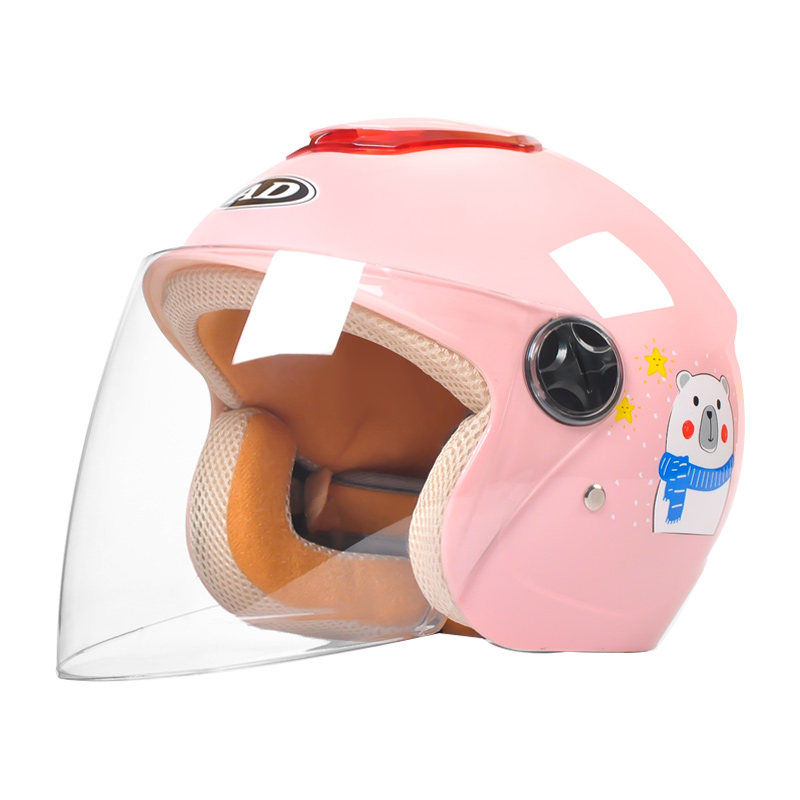
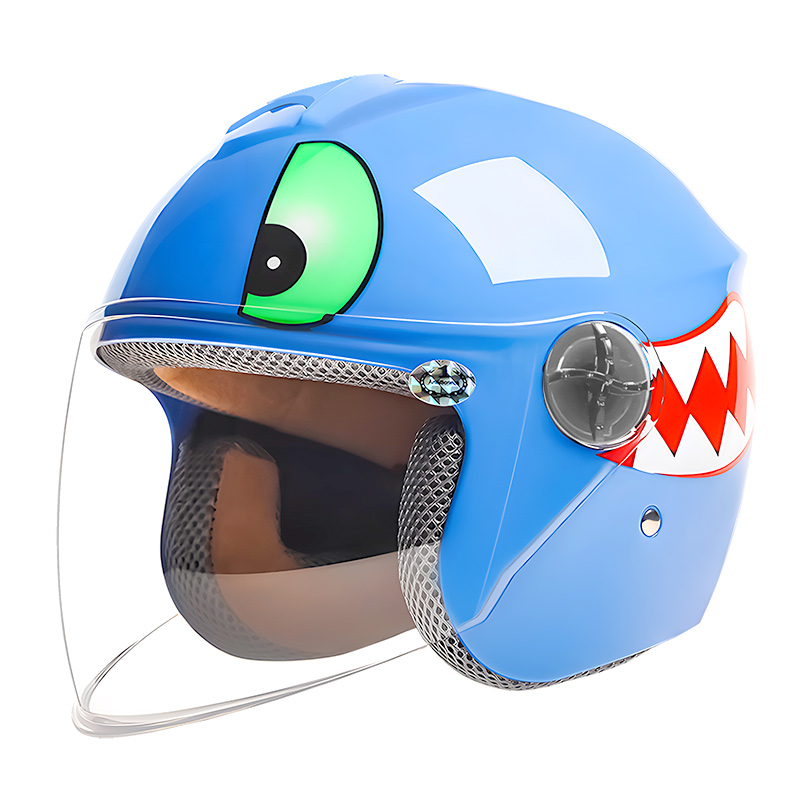
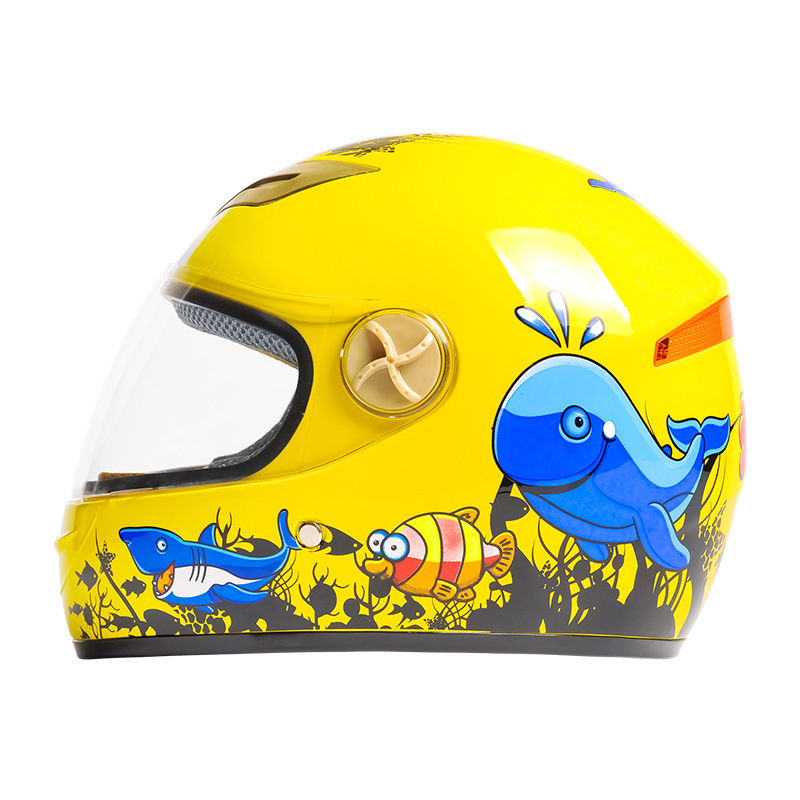
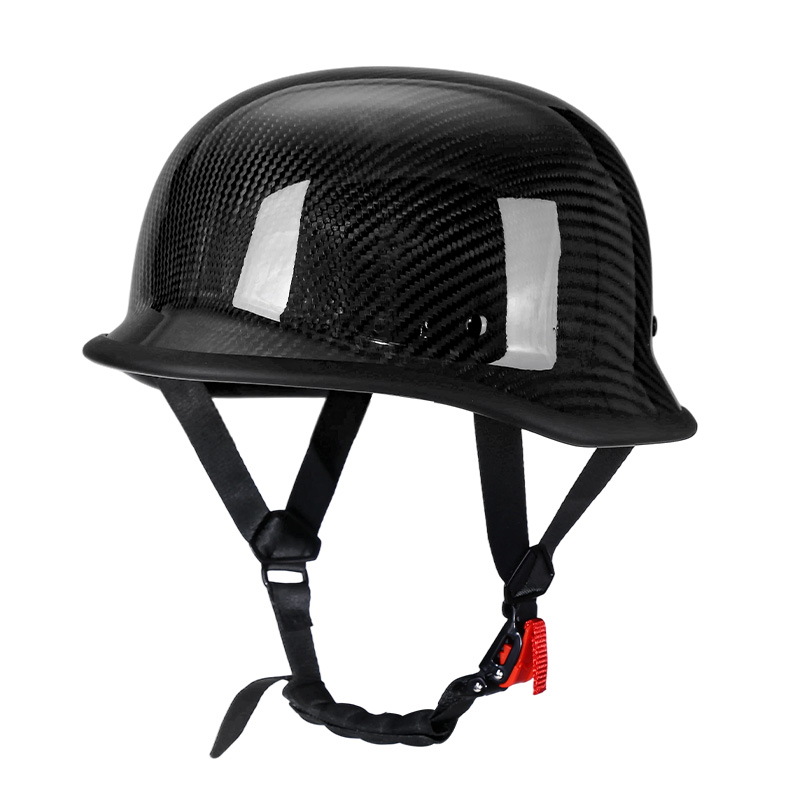
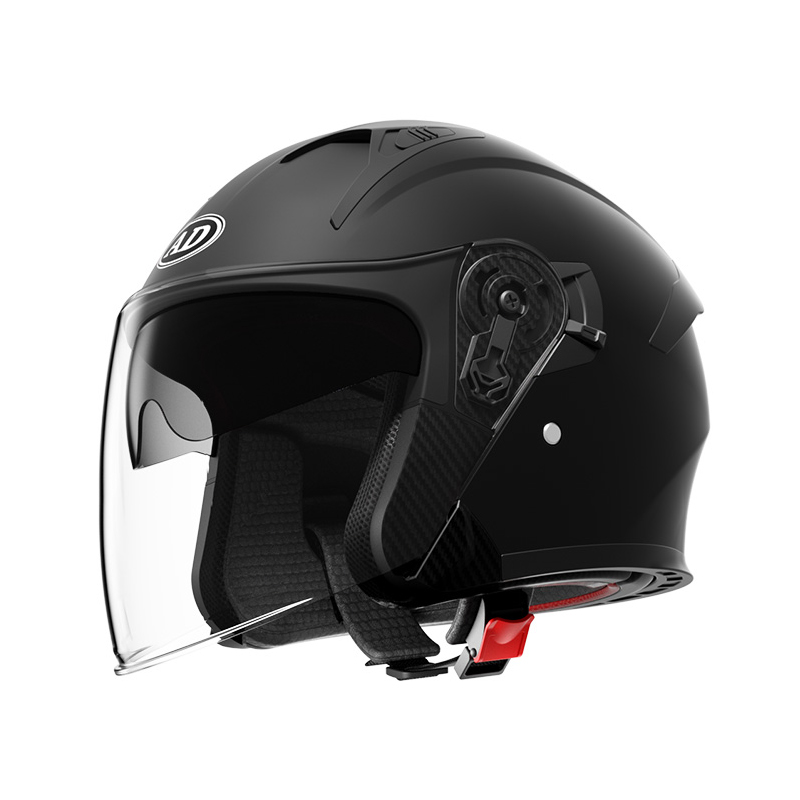






Why Chin Strap Design Carries More Weight on Open-Face Shells
Shanghai Weijue Industry Co.,Ltd treats retention system design as the primary safety variable on any Open Face Helmet, since the absence of a chin bar means the strap alone is responsible for keeping the shell in position during a crash. On a full-face helmet, the chin bar itself provides some resistance against the helmet rotating or lifting off the head; on an open design, that resistance is gone, so strap geometry, buckle strength, and the angle at which the strap meets the jaw all matter more than they would on a comparable full-face model. A strap that sits too high on the jaw allows more rotational movement before it engages fully, while a strap positioned closer to the base of the jaw resists helmet roll-off more effectively during the critical first moment of impact.
This is also why the retention system on a well-built Open Face Motorcycle Helmet is tested under the same 300 lb load standard as any full-face model, even though there's no chin bar to distribute impact energy — the strap has to do proportionally more of the protective work on its own.
- Strap angle at the jaw affects resistance to rotational roll-off
- Buckle hardware needs the same load rating as full-face retention systems
- Strap width distributes force across the jaw rather than concentrating it at a single point
Shield Attachment Systems for Optional Face Protection
Many riders choose an Open Face Helmet specifically for the ability to add or remove a face shield depending on conditions, which puts real engineering demands on the shield's attachment hardware. A shield mount that flexes too much at speed lets wind pressure lift the shield edge, creating both noise and reduced protection exactly when it's needed most. Snap-on shield systems are common on lower-cost models because they're quick to manufacture, but pivot-and-lock systems hold shield tension more consistently across a wider range of head sizes, since the tension can be adjusted at the pivot point rather than relying entirely on the snap fit.
Shield Mount Types and Trade-offs
| Mount Type | Wind Stability | Ease of Removal |
|---|---|---|
| Snap-on Mount | Moderate | Very fast |
| Pivot-and-Lock Mount | High | Moderate, tool-free |
Ear and Neck Exposure in Cold or High-Wind Conditions
The open design that makes this helmet style comfortable in warm weather becomes its biggest limitation in cold or windy conditions, since the ears and lower neck have no shell coverage at all. Riders using an Open Face Motorcycle Helmet in cooler climates typically compensate with a neck gaiter or balaclava rather than expecting the helmet itself to solve wind exposure, since adding shell coverage in that area would fundamentally change the helmet into a different category. Interior ear padding density does still play a role, though — thicker padding around the ear cutout reduces wind noise even without adding physical coverage, which is a design detail worth checking when comparing models built for temperate versus tropical export markets.
Because our export markets range from tropical Southeast Asia to cooler regions of North America, we adjust ear padding density by regional product line at Shanghai Weijue Industry Co.,Ltd rather than shipping a single universal interior across every climate.
Certification Nuances Specific to Partial-Coverage Shells
Certification testing for an Open Face Helmet follows the same core impact and retention standards as full-face testing, but the coverage area requirement is what actually differs. DOT standards specify a minimum coverage zone that must include the top, sides, and rear of the skull down to a defined line above the ears, and a shell that falls short of that line — even by a small margin — doesn't qualify for certification regardless of how well it performs on impact testing. This is a common area where budget manufacturers cut shell coverage slightly to save material cost, which can result in a helmet that looks compliant but technically falls outside the certified coverage boundary.
- Minimum coverage line defined relative to ear position, not just overall shell size
- Coverage boundary checked independently from impact and retention testing
- Shell trimming for style should never reduce coverage below the certified line