


 русский
  Français
  Español
  عربى
عربى  italiano
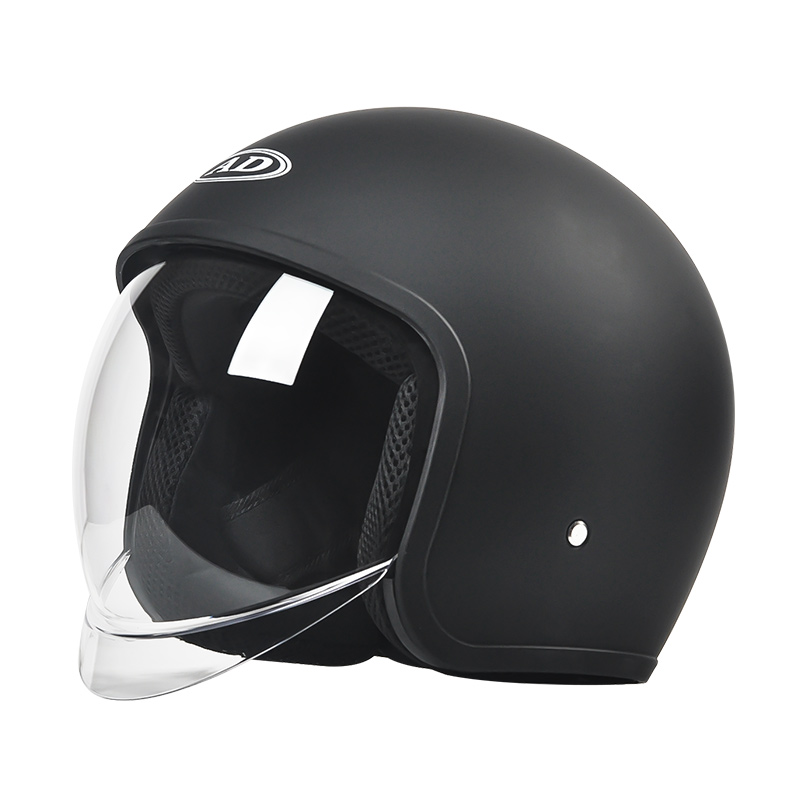
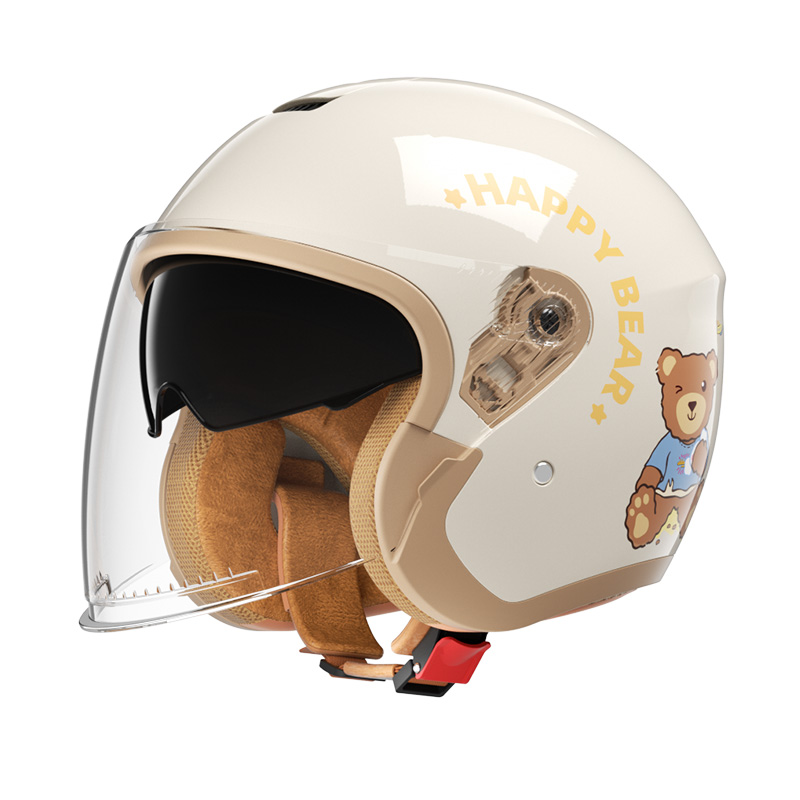
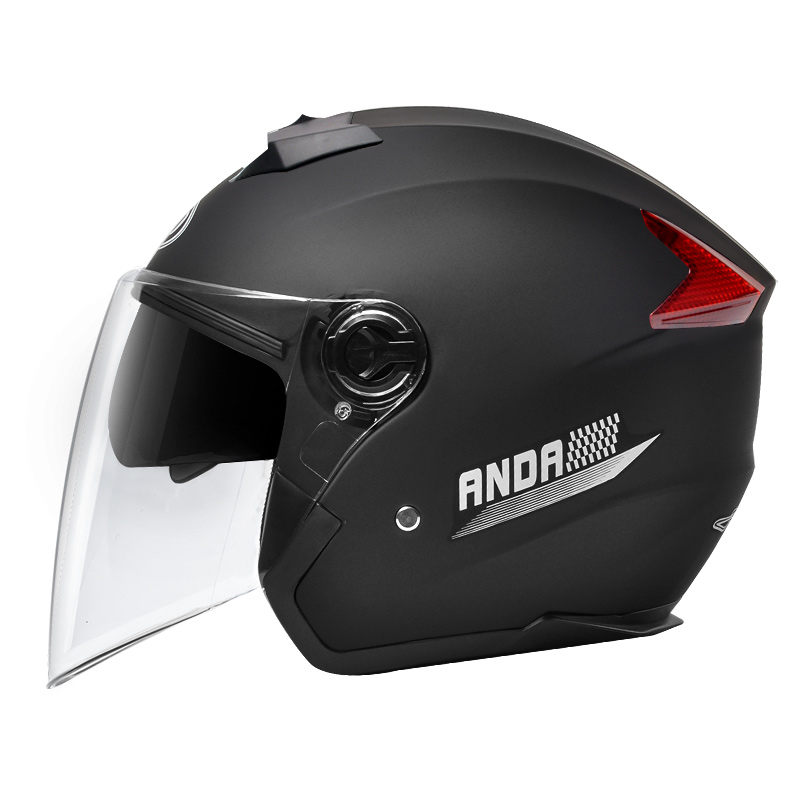
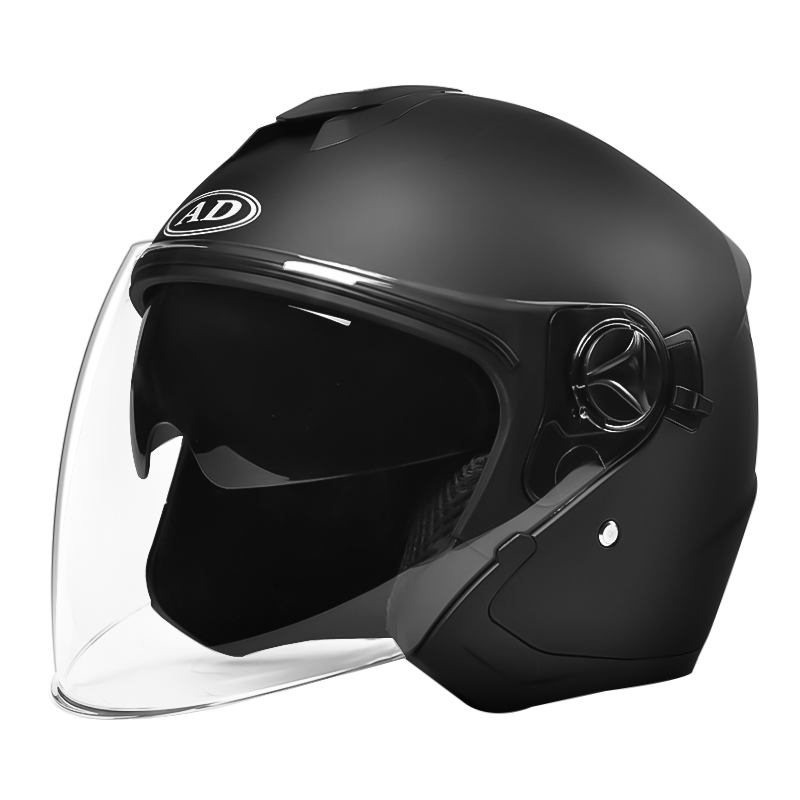






What the DOT Impact Tests Actually Measure
Shanghai Weijue Industry Co.,Ltd builds every shell against FMVSS 218 requirements rather than treating certification as a paperwork formality. A genuine DOT Approved Helmet is dropped onto a flat steel anvil and a hemispherical anvil at controlled velocities, and the internal accelerometer reading may not exceed 400g at any point of contact — anything higher is considered a failed shell, no matter how the helmet looks on the outside. Buyers sourcing in bulk should ask for the actual g-force curve from the test report, not just a pass/fail stamp, because two helmets can both carry a DOT sticker while sitting at very different safety margins.
Penetration resistance is tested separately: a pointed striker is dropped from a fixed height onto the shell, and the helmet fails if the striker touches the head form underneath. This is why shell lay-up quality and resin curing time matter as much as raw material choice — a rushed production batch can pass the impact test yet still fail penetration.
- Impact attenuation: measured on both a flat anvil and a hemispherical anvil at two velocities
- Penetration resistance: striker must not contact the head form
- Retention system strength: chin strap loaded to 300 lbs without more than 1 inch of elongation
- Peripheral vision: minimum 105 degrees of visibility from the centerline on each side
Shell Material Trade-offs Buyers Should Weigh
Choosing a shell material for a Street Bike Helmet program is rarely about picking the "best" material — it's about matching material behavior to the target price point and riding use case. Injection-molded ABS keeps tooling costs low and is forgiving for high-volume production, but it needs to be built slightly thicker to hit the same impact absorption as a fiberglass composite, which adds weight. Polycarbonate blends sit in between, offering better strength-to-weight than ABS while still being compatible with efficient injection molding. Composite fiberglass and carbon-reinforced shells shave weight further and disperse impact energy across a wider shell area, which is why they show up more often in premium touring and sport lines.
| Shell Material | Typical Weight Impact | Tooling Cost | Best Fit |
|---|---|---|---|
| ABS | Heavier per shell | Low | Entry to mid-range volume orders |
| Polycarbonate Blend | Moderate | Low-Medium | Mid-range sport and street models |
| Fiberglass Composite | Lighter | Medium-High | Touring and premium lines |
Engineering Airflow That Actually Works at Speed
A vent hole cut into a shell doesn't guarantee airflow — vent placement has to account for pressure zones that shift as speed increases. Front chin vents work well below 40 km/h but can lose effectiveness at highway speed if the internal channeling doesn't redirect air toward the forehead and top exhaust ports. Rear spoiler exhaust vents rely on negative pressure created by the helmet's shape to pull warm air out, and if that shape is off by even a few millimeters, the whole system underperforms regardless of how many vent openings the shell has.
Common Airflow Design Elements
- Internal EPS channeling that routes air from intake vents across the scalp
- Adjustable sliding vent covers for seasonal use
- Rear diffuser shaping that reduces turbulence noise while exhausting air
Internal EPS channels also have to be validated at the mold stage, which is a step Shanghai Weijue Industry Co.,Ltd treats as a fixed part of prototype approval before any tooling is finalized for a new shell.
Retention Hardware and Long-Ride Comfort Details
The strap buckle a rider uses every day matters more to real-world safety than most spec sheets suggest, because a chin strap that's inconvenient to fasten correctly gets fastened loosely — or not at all. Double D-ring buckles remain the most secure option and are common on helmets built for track or long-distance riding, since they don't loosen under vibration. Micrometric ratchet buckles trade a small amount of that security for faster one-handed adjustment, which suits riders who put the helmet on and off frequently during city commutes.
Interior liner tolerances are just as important as strap hardware. A liner cut with more than 2-3mm of variance from the target head-form size creates pressure points that riders often misdiagnose as "the wrong helmet size" when the real issue is inconsistent foam density across the batch. Moisture-wicking liner fabric and removable, washable padding also extend the usable life of a helmet in humid or tropical climates, which is a recurring request from buyers sourcing for Southeast Asian and Middle Eastern markets.
| Buckle Type | Security Level | Ease of Use |
|---|---|---|
| Double D-Ring | Highest | Requires two hands |
| Micrometric Ratchet | High | One-handed, fast |
These are the kinds of details a supplier catalog rarely spells out, and it's exactly the reason we spend as much engineering time on hardware and liner tolerances as we do on shell layup at Shanghai Weijue Industry Co.,Ltd